

Standing on a Pacific bluff north of San Francisco last fall, watching fog peel back from the coastline while surfers paddled into glittering waves, I felt that familiar California pull: this place really can look like a dream. Yet over two decades of visiting and living in different parts of the state have also shown me its harder edges, from eye-watering prices to wildfire smoke and gridlocked freeways. So is California actually worth visiting right now, with everything you have heard about costs, crowds and climate risks? Here is my honest, experience-based answer, grounded in what travelers are encountering across the state today.
California’s Big Picture: Hype, Reality and Why It Still Draws Millions
California has a reputation that borders on mythical: endless beaches, movie-star glamour, wine country sunsets, national parks that define the word "epic." What surprised me on my most recent trips was how much of that image still holds up, even as the state wrestles with real challenges. Tourism has bounced back strongly in the last few years, with visitors returning in numbers that rival or exceed pre-pandemic levels. That is not just a marketing slogan you see at the airport; you feel it in full hotels, busy restaurant reservations and steady lines at major attractions.
At the same time, the California of 2026 is more complex than the postcards suggest. Wildfires have left visible scars on some landscapes. Homeless encampments are part of the streetscape in several major cities. Traffic in regions like Los Angeles and the Bay Area can turn even well-planned days into exercises in patience. The question for a would-be visitor is not whether California is perfect, but whether the highs outweigh the lows for the kind of trip you want to have.
From my perspective, the answer is still yes for many travelers, provided you go in with clear expectations. You are not stepping into a sun-drenched fantasy but a huge, diverse, occasionally overwhelming state that rewards curiosity and a bit of planning. If you are willing to look beyond a few overhyped spots and build an itinerary that matches your budget and travel style, California can still feel intoxicatingly special.
It also remains strikingly varied. In a single week I have gone from eating street tacos under palm trees in San Diego to hiking among ancient sequoias in the Sierra Nevada, then ended the trip tasting small-lot wines at a quiet family-run vineyard. That variety, more than any single attraction, is the core reason California continues to pull travelers from around the world.
The Landscapes: Coastlines, Mountains and Deserts That Really Are That Good
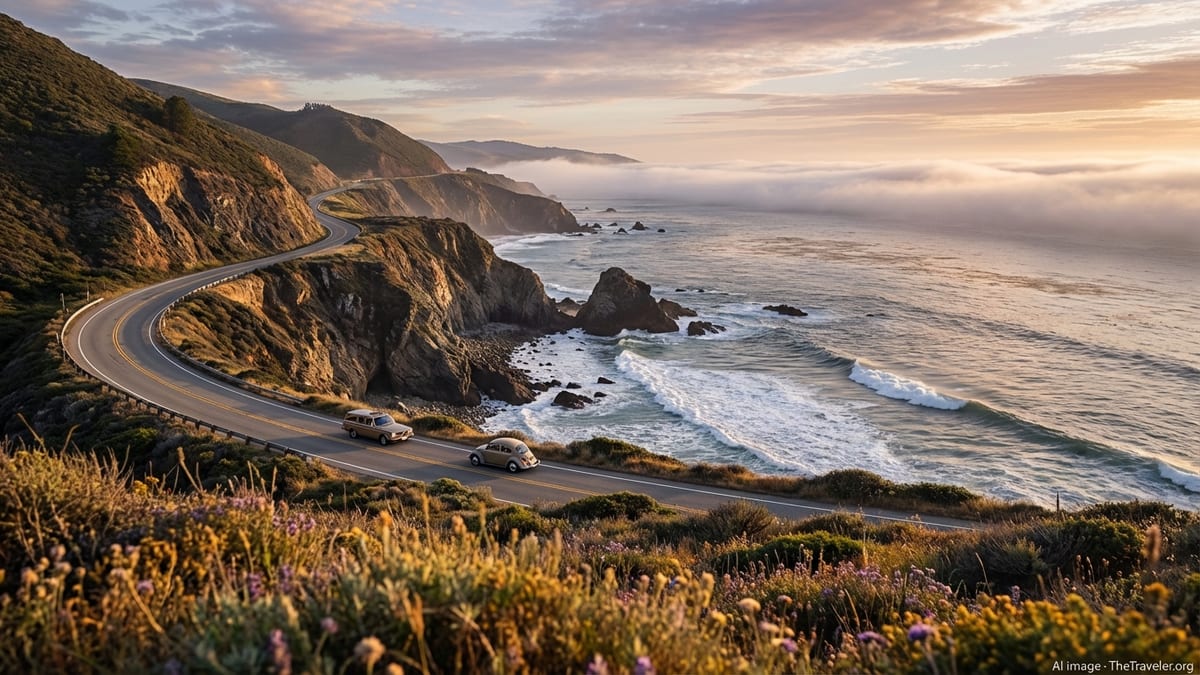
Even as someone naturally skeptical of travel superlatives, I still find California’s landscapes hard to oversell. The Pacific Coast Highway remains one of the most scenic drives anywhere, with rugged cliffs, sheltered coves and small towns that feel dramatically removed from the state’s big-city sprawl. Sections around Big Sur, where the mountains plunge straight into the sea, are as breathtaking in person as they appear in glossy magazines. On several trips I have found that simply pulling into a random coastal turnout yields a view that would be a national attraction in many other places.
Inland, the variety is just as striking. National parks like Yosemite and Joshua Tree continue to draw heavy visitation, and with good reason: standing in Yosemite Valley, ringed by granite walls that catch the evening light, or walking among Joshua Tree’s twisted, otherworldly namesake trees, it is easy to understand why so many visitors place these destinations at the center of their California trips. High visitation does mean you need timed-entry reservations or early starts in peak season, but the sense of scale and drama has not faded with the crowds.
California’s lesser-known public lands can be just as rewarding for travelers who want quieter experiences. I have spent spring mornings hiking among wildflowers in coastal hills where the only sounds were birds and distant surf, and winter days snowshoeing in the Sierra where you see more animal tracks than people. State parks along the redwood coast, for example, offer old-growth forests that feel like living cathedrals without the intensity of the most famous viewpoints.
The caveat is that climate change is reshaping how and when you can comfortably enjoy these places. Wildfire seasons in recent years have brought smoky skies to parts of the state, and heavy winter storms have occasionally closed roads and trails. Planning a California trip today means paying more attention to seasons, recent weather and local conditions, not simply assuming that any month will deliver the same experience.
Cities and Culture: Beyond the Postcard Versions of LA and San Francisco
California’s cities are often why people come, and also why some leave disappointed. If your mental picture of Los Angeles is all red carpets and oceanfront mansions, you might be startled by how spread out, gritty and occasionally chaotic the city can feel. But if you approach it as a patchwork of neighborhoods rather than a single destination, it becomes far more rewarding. I have had some of my best California moments in small pockets of LA: a taco stand tucked beside a laundromat, a jazz night in a community arts center, a quiet hour at a hillside park watching the sun slide behind the skyline.
San Francisco, too, is more complicated than either its critics or admirers suggest. In recent years, coverage of the city’s economic swings, visible homelessness and safety perceptions has been intense. On the ground, my experience has been mixed but largely positive: I have felt comfortable exploring most central neighborhoods during the day, and the city’s strengths remain obvious. The blend of Victorian architecture, steep streets framing views of the bay, and a food scene that confidently mixes high-end tasting menus with casual noodle shops still makes San Francisco feel unlike anywhere else in the United States.
What has changed is that the costs and trade-offs are more transparent. You are more likely to notice boarded-up storefronts alongside lively cafes, or to walk a single block and feel a jarring shift in atmosphere. For some visitors this is off-putting; for others, it simply underscores that they are traveling in a living, evolving city rather than a stage set. From my perspective, the cultural richness, walkability in the core neighborhoods and proximity to nature still make San Francisco an excellent base for a few days, especially if you arrive with realistic expectations.
Other cities often surprise visitors who think California is just LA and San Francisco. San Diego’s relaxed coastal mood, thriving craft beer and taco culture, and accessible beaches make it one of the most straightforwardly enjoyable urban stops. In the Bay Area, Oakland’s food scene has attracted national attention in recent years, and it offers a more local, less tourist-saturated feel than its neighbor across the bay. Inland hubs like Sacramento and smaller coastal cities such as Santa Barbara and Santa Cruz add still more variety, each with its own distinct rhythm and strengths.
Costs, Crowds and the Budget Reality
The single biggest drawback for many would-be visitors is cost. California is, in practical terms, one of the most expensive destinations in the United States. On my recent trips, accommodation absorbed a significant portion of the budget, particularly in popular areas like San Francisco, Napa, coastal Orange County and central Los Angeles. Even mid-range hotels and simple vacation rentals can command prices that feel high compared with other parts of the country, especially in peak seasons and during major events.
Daily expenses add up quickly as well. Meals at casual restaurants are noticeably more expensive than in many other regions, and tipping norms and service charges can further increase the bill. Parking fees in cities and at some beaches, along with fuel prices that tend to run higher than the national average, can turn a rental car into a more costly line item than travelers anticipate. When I compare my California spending to similar trips in neighboring states, the difference is visible even when I am careful with choices.
That said, there are ways to make California more affordable without stripping away what makes it appealing. Traveling in shoulder seasons, such as late spring and early fall, often means better rates and fewer crowds, while still delivering mostly pleasant weather. Focusing on one or two regions instead of trying to "do" the entire state reduces transportation and lodging churn. Building in simple pleasures that cost little, from self-guided hikes and picnics to beach days and free viewpoints, balances out the occasional splurge meal or wine tasting.
Crowds are the other trade-off that prospective visitors need to consider. Popular parks and attractions can feel overwhelmed during school holidays and summer weekends. I have seen parking lots at trailheads fill soon after sunrise, and scenic viewpoints where it is difficult to find a quiet moment. For some travelers, that level of activity is part of the fun, an energizing reminder that they are experiencing something many people value. For others, it erodes the sense of escape they were seeking. If you fall into the latter group, early starts, weekday visits and a willingness to explore second-tier sights can dramatically improve your experience.
Safety, Wildfires and Practical Realities on the Ground
Any honest assessment of California as a destination has to acknowledge risk and discomfort alongside its strengths. The most visible issues in recent years have been wildfire, smoke and concerns about urban safety. Wildfires are now a regular seasonal consideration, particularly in late summer and early fall, though as the destructive events in Southern California in early 2025 showed, significant fires can also occur outside traditional windows when weather conditions align. In practical terms, this means that travelers increasingly factor air quality and potential closures into their planning, rather than assuming that skies will always be clear.
My own experience has ranged from perfectly blue, smoke-free days to trips when visibility dropped and outdoor plans had to be adjusted. It is frustrating, but not generally a reason to avoid the state altogether. Instead, it argues for having flexible itineraries, keeping an eye on regional news and advisories, and considering travel insurance if you are booking far ahead for peak-risk months. The state has invested heavily in wildfire prevention, response and recovery in recent years, and many affected communities have become adept at providing up-to-date information to residents and visitors.
Urban safety is more nuanced than many headlines suggest. Major cities in California share issues found in other large American metros, including visible homelessness, property crime and occasional spikes in particular categories of offenses. On the ground, I have rarely felt directly threatened when using standard big-city precautions: staying aware of surroundings, avoiding leaving valuables in cars, steering clear of isolated areas at night, and paying attention to local advice about specific neighborhoods or transit lines.
For most travelers, the risks are less about outright danger and more about discomfort. Encountering tents or open drug use can be unsettling, especially for families with young children, and it is important to be prepared for this reality in certain districts. At the same time, many visitor-heavy areas remain busy, well-patrolled and generally comfortable to navigate on foot during the day. If you approach California’s cities as you would any major urban destination, with a blend of curiosity and common sense, you are unlikely to find safety a trip-defining concern.
Who Will Love California and Who Might Prefer Somewhere Else
After many visits, I have come to believe that whether California is "worth it" depends heavily on your travel personality. If you thrive on variety, are comfortable with some logistical complexity, and enjoy combining cities, nature and food in a single trip, the state remains almost uniquely satisfying. Outdoor enthusiasts who love hiking, surfing, climbing, skiing or just walking wild stretches of coastline will find that California delivers far more options than they can fit into one itinerary.
Cultural travelers, too, have ample reasons to come. The state’s diversity is not a slogan; it shows up in the languages you hear on city streets, the range of regional cuisines, the festivals that fill the calendar from wine country to small inland towns, and the museums and music venues that anchor local arts scenes. I have stumbled into everything from small gallery openings and neighborhood street fairs to major performing arts events, often with ticket prices that were more reasonable than I expected for such large markets.
On the other hand, if your ideal vacation is straightforward, low-stress and budget-friendly, there are destinations that may suit you better. California’s distances are long, traffic can fray nerves, and the combination of high prices and advance reservations for popular attractions can make trips feel like projects rather than escapes. Travelers who are especially sensitive to visible inequality or urban challenges may also find the contrast between wealth and poverty in parts of the state emotionally draining.
Families, in particular, should weigh the trade-offs. Theme parks and beaches can make for unforgettable trips, and many coastal towns and mountain resorts are well set up for children. But costs multiply quickly with multiple tickets, meals and activities. In my experience, family trips here work best when anchored in one or two hubs with plenty of free or low-cost outdoor activities, rather than in constant movement between expensive, heavily programmed attractions.
The Takeaway
So is California worth visiting right now? From my perspective, the answer is yes, with caveats. The state still offers one of the most compelling combinations of landscapes, cities and culture anywhere in the world, and it continues to evolve in ways that can surprise even longtime visitors. The coastlines, redwoods, deserts and mountains are every bit as dramatic as the photos suggest, and its best food, wine and arts scenes remain genuinely world class.
But this is not a dreamscape untouched by real-world problems. High costs, seasonal wildfire risks, crowded marquee attractions and visible social challenges are all part of the present-day California experience. Travelers who arrive expecting a frictionless fantasy may come away disillusioned. Those who come prepared for complexity, armed with flexible plans and realistic budgets, are far more likely to find the state deeply rewarding.
If you value variety, do not mind thinking a bit harder about logistics, and can absorb higher-than-average costs in exchange for memorable experiences, California remains a destination that justifies the investment of time and money. If you are hoping for a simple, inexpensive getaway, you may want to look elsewhere or dramatically narrow your focus within the state.
In the end, my honest experience is that California is neither the flawless paradise of vintage postcards nor the lost cause sometimes painted in quick takes. It is a place of extremes and contrasts, capable of frustrating you in one moment and completely winning you over the next. If that kind of emotional range sounds appealing, then yes, California is still worth the trip.
FAQ
Q1. Is California safe to visit right now?
Overall, California remains broadly safe for visitors who take normal big-city precautions, stay informed about local conditions and avoid obvious risks such as wildfire zones or isolated areas at night.
Q2. When is the best time of year to visit California?
Spring and fall are often the most comfortable, with milder temperatures, smaller crowds in many destinations and slightly better availability on accommodations and activities.
Q3. How many days do I need for a first trip to California?
A week is enough to explore one or two regions in a relaxed way, but many travelers prefer 10 to 14 days to combine a major city with coastal or national park time.
Q4. Is California really as expensive as people say?
Prices for lodging, dining and transportation are generally higher than the U.S. average, especially in popular areas, so planning a clear budget and building in free activities is important.
Q5. Should I rent a car to travel around California?
Outside a few dense urban cores, a rental car offers the most flexibility and can save time, though it adds costs for fuel, parking and insurance that you should factor into your plans.
Q6. How worried should I be about wildfires and smoke?
Wildfire and smoke are seasonal considerations rather than constant threats; staying flexible, checking current conditions and having backup plans usually keeps trips on track.
Q7. Can I visit California on a tight budget?
It is challenging but possible if you focus on a limited area, travel in shoulder seasons, use budget accommodation and lean heavily on free outdoor experiences like beaches and hikes.
Q8. Are California’s big cities worth visiting, or should I focus on nature?
Both can be rewarding: cities offer diverse food and culture, while nature delivers iconic scenery, and many travelers enjoy combining the two in a single itinerary.
Q9. Is public transportation in California good enough without a car?
Transit works reasonably well for specific city-based trips, particularly in San Francisco and parts of Los Angeles, but it is less convenient for cross-state or rural exploration.
Q10. Is California still a good destination for families?
Yes, especially for families who enjoy outdoor activities and can budget carefully; theme parks, beaches and national parks remain strong draws for children and adults alike.