


For many travelers, the best memories from a trip come from a table: a steaming bowl of cacio e pepe in Rome, tapas in a tucked-away Barcelona bar, or a home-cooked tagine in Marrakech. Platforms like Eatwith promise to make those moments easier to find by connecting visitors with local hosts for dinners at home, cooking classes, and food tours. But is Eatwith actually worth booking for food lovers planning their next vacation, or are you better off sticking to restaurants and traditional tours?
Get the latest updates straight to your inbox!
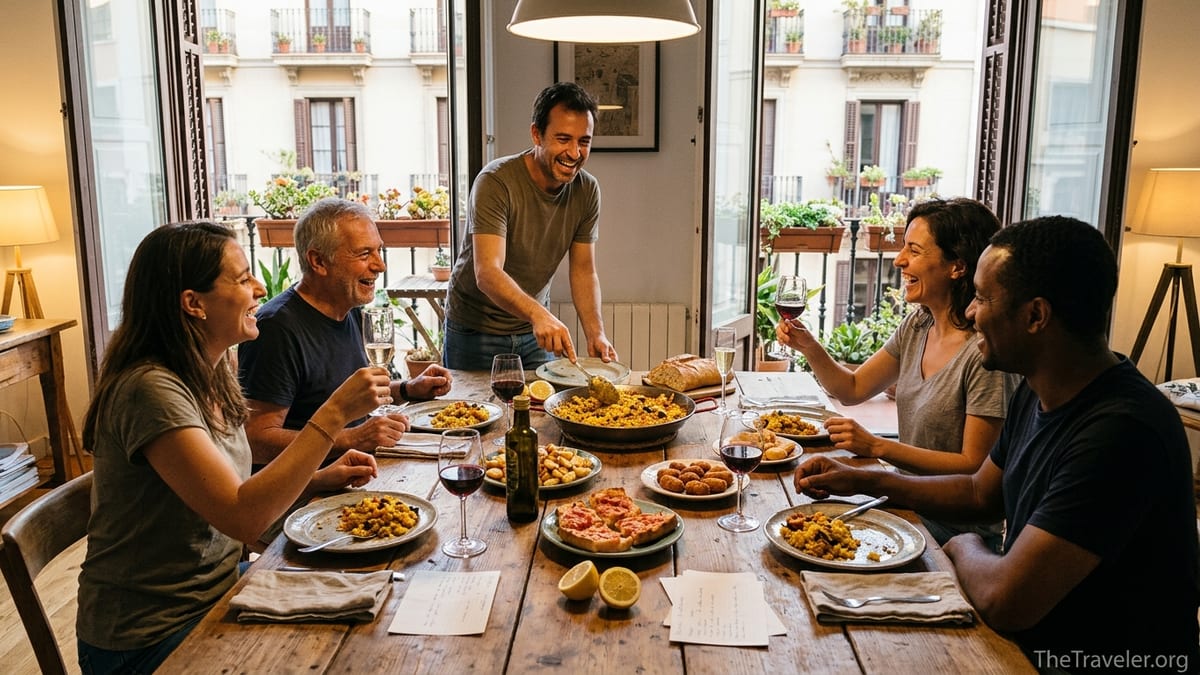
What Eatwith Actually Is and How It Works
Eatwith is a marketplace for food experiences, ranging from home-hosted dinners to small-group cooking classes and neighborhood food tours. Instead of just booking a restaurant table, you reserve a spot at a local host’s table or in their kitchen. The platform operates in dozens of popular destinations, including cities like Paris, Rome, Barcelona, New York, and Tokyo, and also partners with professional chefs who host supper clubs and pop-up events.
The basic flow is straightforward. You search by destination and date, filter by type of experience, browse host profiles, and read reviews from previous guests. Once you book, you pay in advance through the platform. Your host confirms, shares the exact address or meeting point, and usually messages you to ask about allergies or dietary needs. On the day, you show up and join a small group, which might be as intimate as a couple of other travelers around a dining table or a dozen people on a walking food tour.
For example, a traveler visiting Rome might find a “Pasta making class with dinner in Trastevere,” hosted in a local apartment. The listing typically specifies how many dishes you will cook, what drinks are included, the approximate group size, and whether children are welcome. In New York, you might see a “Brooklyn rooftop dinner with seasonal tasting menu,” run by a professional chef who uses Eatwith to fill a few extra seats at a supper club. The idea is consistent: you trade anonymous restaurant dining for a curated, social food experience.
This structure makes Eatwith feel a bit like a cross between Airbnb Experiences and a traditional food tour operator, but with a stronger emphasis on home dining and intimate gatherings. For food-loving travelers who care as much about stories and connections as they do about flavors, that focus can be its biggest draw.
Pricing, Fees, and What You Really Get for Your Money
Eatwith experiences span a wide price range, but most sit in the ballpark of what you might pay for a good mid-range to upscale meal or food tour in the same city. As of 2026, it is common to see group home-dining experiences in European capitals from roughly 50 to 100 US dollars per person, depending on the city, what is included, and the reputation of the host. More elaborate tasting menus with wine pairings or hands-on cooking classes can climb into the 100 to 150 dollar range or more in high-cost cities.
Behind the scenes, hosts set their base price and Eatwith adds a guest service fee on top. Public information from the company indicates that guests typically pay a service fee of about 30 percent that covers payment processing, insurance, platform operations, and support. In practice, this means that a Roman cooking class whose host base price might be the equivalent of 70 dollars could appear closer to 90 dollars by the time you see the final total during checkout. Travelers who are budgeting closely should be aware that the price you first see in search results may increase slightly once service fees and local taxes are calculated at checkout.
To understand value, it helps to compare Eatwith prices to realistic local options. In Barcelona, a traditional guided tapas tour through a mainstream tour operator might cost around 80 dollars for three hours, including several stops and drinks. On Eatwith, you might find a similar tapas crawl led by a local host for a comparable price, but in a smaller group of six or eight people rather than fifteen. In Paris, a three-course bistro meal with wine at a well-rated restaurant can easily reach 60 to 80 dollars per person. An Eatwith dinner in a Parisian apartment might cost slightly more but include aperitif, multiple wines, and a drawn-out evening of conversation that you would be unlikely to get in a busy brasserie.
It is worth noting that not every experience includes unlimited food or free-flowing drinks. Some cooking classes, especially in cities like Tokyo or Lisbon where ingredient costs or regulations are higher, keep portions moderate and may limit alcoholic beverages. Read each listing carefully to see whether wine, beer, or dessert is included, and how many courses you can realistically expect. For food lovers, value is not only about volume but also about uniqueness: a simple two-course homemade meal in Athens can feel worth every dollar if it comes with family recipes and a local perspective you could not buy in a restaurant.
Where Eatwith Shines for Serious Food Lovers
For travelers who care deeply about food culture, Eatwith can unlock experiences that are difficult to arrange independently. A classic example is the home-hosted dinner: eating in a local home in cities like Rome, Paris, Tel Aviv, or Mexico City used to require knowing someone personally. With Eatwith, you might find yourself in a Roman grandmother’s kitchen rolling out tagliatelle, or at a communal table in a Paris artist’s loft learning about natural wines while sharing a seasonal menu.
One practical advantage is group size. While traditional city food tours sometimes run with fifteen or more participants, many Eatwith experiences cap groups at around eight to ten, and some dinners are limited to four or six guests. That smaller scale makes it easier to ask detailed questions about ingredients, cooking techniques, and local markets. For example, a traveler in Lisbon might join a “Seafood market visit and dinner” with just four guests, following the host through the fish market, choosing clams and local cod, then returning to the host’s apartment to cook and eat together.
Eatwith also excels when you are traveling solo and want company at dinner without feeling awkward taking a restaurant table alone. A solo traveler in Barcelona, for instance, could book a shared paella-making class with dinner, meet a mix of other international guests, and leave with new friends and a list of local bar recommendations. Reviews frequently praise this social aspect; many guests compare it to “a dinner party with strangers who quickly feel like friends” rather than a formal tour.
Finally, Eatwith can be a great tool for repeat visitors who already know the tourist highlights and want something more personal. A traveler who has been to Paris several times, for example, might feel that another standard bistro dinner would blend into the background. Instead, booking an Eatwith wine-paired tasting menu prepared by a local chef in Belleville or Le Marais can offer new flavors and conversations that feel genuinely fresh, even if the dishes themselves are classic French fare.
Common Complaints and Realistic Downsides
Despite many glowing reviews, Eatwith is not without its frustrations, and understanding the downsides is essential before you decide to book. One recurring complaint from experienced users is that the platform has grown more commercial in some cities. Travelers who loved early, intimate dinners in New York or Paris have reported that more recent experiences felt closer to small-scale restaurants in residential spaces than genuinely personal home meals. In some destinations, certain hosts run frequent seatings multiple nights a week, which can make the experience feel slightly more like a business than a casual dinner with locals.
Quality can also vary significantly between hosts and cities. While some hosts are professional chefs or very experienced cooks, others are enthusiastic home cooks whose skills and hosting style may or may not match your expectations. A pasta-making class where the host rushes through demonstrations or relies on pre-prepped ingredients can disappoint a serious cooking enthusiast who expected a more detailed, hands-on lesson. As with any peer-to-peer platform, you are betting on a specific host, so reading recent reviews is crucial.
Cancellations and customer service are another point of mixed feedback. If a host cancels due to illness or low bookings, Eatwith typically offers a refund or assistance finding an alternative experience, but travelers close to departure can be left scrambling to fill a key evening in their itinerary. Some guests have also complained that refund processes felt slow or that outcomes were more favorable to hosts in disputed situations. While these stories are not universal, they underscore how important it is to book flexible experiences early in your trip when possible, so you have backup options if something goes wrong.
Finally, Eatwith is not always the most budget-friendly choice. In some cities, you could put the same money toward a highly rated restaurant tasting menu or a well-reviewed food tour booked through a major operator and still have change for drinks afterward. For a traveler on a tight budget in a city like Bangkok or Mexico City, spending 70 or 80 dollars on a home dinner might feel hard to justify when outstanding local food is available at street markets and neighborhood eateries for a fraction of the cost.
How Eatwith Compares to Restaurants, Food Tours, and Rival Platforms
The easiest way to decide whether Eatwith is worth it is to compare it directly to your other realistic options: independent restaurant dining, traditional food tours, and rival platforms such as Withlocals, Traveling Spoon, and Airbnb Experiences. Each has a slightly different sweet spot for food travelers.
Traditional restaurants still deliver the most predictable experience. In a city like Florence or Tokyo, a carefully chosen restaurant can showcase local specialties at a high professional standard. You control the timing, can often walk in without a reservation at off-peak times, and can leave whenever you like. However, even the friendliest staff rarely have the time to sit down and explain regional food culture in depth. Language barriers can also limit conversation, especially outside major tourist hubs.
Classic food tours, often booked through platforms such as Viator or GetYourGuide, excel at breadth. A three-hour walking tour of Naples might take you to pizzerias, pastry shops, and street-food stalls that you would not find on your own in a single evening. Tours usually run with larger groups and have a guide focused on keeping everyone on schedule, so while you sample many bites, you may not linger long in any one place or get a personal connection with locals beyond your guide.
Eatwith sits somewhere in the middle and often feels closer to platforms that specialize in local hosts. Withlocals, for instance, connects travelers with residents who lead private tours and sometimes home dinners in destinations from Amsterdam and Lisbon to Bangkok and Marrakech. Traveling Spoon focuses almost entirely on home cooking experiences, particularly across Asia and parts of Europe and Latin America, such as cooking classes in Bangkok, Istanbul, or Mexico City. Airbnb Experiences offers a mix of cooking classes and food tours, but many are run by small businesses more than private home cooks. Compared with these options, Eatwith tends to emphasize intimate dining in homes and small supper clubs in major world cities, which can appeal to travelers who prioritize social interaction and a sense of being “let in” to local life.
For example, if you are heading to Tokyo and want a structured ramen-focused walking tour, you might find better options listed under conventional tour marketplaces or Airbnb Experiences, which lean heavily into street-food and restaurant-based experiences. If, instead, you are visiting Barcelona and dream of an evening making paella in a local kitchen, Eatwith or Traveling Spoon might be stronger candidates. Understanding what each platform is designed for helps align your expectations and avoid disappointment.
When Eatwith Is Worth Booking and When to Skip It
Eatwith tends to be most worthwhile when your main goal is connection rather than pure culinary perfection. If you are the type of traveler who loves lingering at the table, trading stories, and seeing how people actually live in your destination, then a well-reviewed Eatwith dinner can become a highlight of your trip. It is especially compelling for solo travelers, couples, and small groups looking to meet others in a relaxed, social setting.
It is also a good fit if your time is limited and you want a shortcut into the local food scene. For a traveler spending just two nights in Lisbon, for instance, booking a “Portuguese home-cooked dinner with fado stories” through Eatwith on the first night might provide a crash course in local wines, olive oils, and dishes that guide restaurant choices for the rest of the trip. In that sense, a single Eatwith evening can function as an edible orientation session.
On the other hand, Eatwith might not be the best choice if your priority is trying as many top restaurants as possible, especially in globally recognized food cities like Copenhagen or Tokyo. Serious restaurant-focused travelers often prefer to put their budget toward chef’s tasting menus, Michelin-starred venues, or legendary casual spots that demand advance booking. Similarly, if you are extremely budget-conscious or traveling in a country where excellent local meals cost just a few dollars at markets and neighborhood eateries, a premium-priced home dinner may not deliver enough additional value to feel justified.
Finally, if you are uncomfortable in very social settings or dislike the idea of dining in a stranger’s home, you may enjoy a standard food tour more. Walking from spot to spot in a busy neighborhood like Palermo, Hanoi, or Oaxaca, eating bites at kiosks and cafes with a guide, can feel less intense while still offering plenty of food discovery. In those cases, reserving Eatwith experiences only when they clearly offer something unique, such as a specific traditional celebration meal or access to a local festival, can strike the right balance.
How to Choose a Great Eatwith Experience (and Avoid Disappointment)
If you decide to give Eatwith a try, careful selection can be the difference between an unforgettable evening and a mediocre one. Start with destinations where the platform has clear depth, such as Paris, Barcelona, Rome, Tel Aviv, and New York. In these cities, a larger pool of hosts typically translates into more variety and greater competition, which can lift overall quality. Smaller or newer markets may only have a handful of experiences, making it harder to compare options or find one that fits your style.
Next, scrutinize host profiles and recent reviews. Look for hosts with a solid number of ratings, ideally dozens rather than just one or two, and read the most recent comments to ensure quality has not slipped. Reviews that mention specific dishes, particular stories, or concrete moments such as “we went to the market with Maria and then cooked three traditional Sicilian recipes in her home in Catania” are more reassuring than generic praise. Pay attention to photos as well. Realistic images of a lived-in kitchen or a simple balcony table often signal authenticity, while highly styled, studio-quality images sometimes indicate a more commercial operation.
Consider group size and format. If you want to pepper your host with technical questions about sourdough or fermentation, a small cooking class for four in Berlin is likely a better fit than a twelve-person paella party in Barcelona. If you are traveling solo and want a lively social mix, a slightly larger group may feel more comfortable. Be mindful of timing as well; experiences scheduled early in your trip allow more room to rebook if a host cancels, while last-night bookings leave little margin for error.
Finally, communicate clearly before you commit. If you have serious allergies, dietary restrictions, or expectations around alcohol, send a message via the platform before booking and confirm that the host can accommodate you. Many hosts are flexible and happy to adapt menus, but some traditional dishes or small kitchens make changes difficult. A quick message exchange can also give you a feel for the host’s responsiveness and enthusiasm, which often translates directly into the quality of the experience itself.
The Takeaway
For food lovers on vacation, Eatwith can be a memorable way to move beyond restaurant tables and tourist-focused food tours into more personal, story-rich encounters. When you choose carefully, you might come home not only with new favorite dishes but with recipes, market tips, and friendships that last long after your trip ends. The platform’s strengths lie in intimate settings, small groups, and hosts who genuinely enjoy sharing their culinary heritage.
At the same time, Eatwith is not a magic shortcut to guaranteed authenticity or perfect cooking. Prices are often at the upper end of what you might pay for an evening out, and quality depends heavily on individual hosts and local markets. Some experiences can feel more commercial than personal, and cancellations do occasionally derail plans.
Ultimately, Eatwith is most worth booking when you value human connection as highly as flavor, have the budget for a premium evening, and are willing to do a bit of research to pick the right host. Used thoughtfully, it can transform one ordinary night of your vacation into the kind of dinner you talk about for years. Used casually, it may feel like an overpriced meal in an unusual setting. For food-focused travelers who approach it with clear expectations, though, Eatwith remains a compelling tool in the quest for deeper, more delicious travel.
FAQ
Q1. What types of experiences can I book on Eatwith?
Eatwith primarily offers home-hosted dinners, cooking classes, and small-group food tours, often led by local home cooks or chefs in cities around the world.
Q2. How much do Eatwith experiences usually cost?
Prices vary by city and format, but many group dinners and cooking classes fall roughly between 50 and 150 US dollars per person once service fees are included.
Q3. Are Eatwith experiences worth it for solo travelers?
Yes, many solo travelers find Eatwith especially rewarding because small groups and communal tables make it easy to meet people and avoid dining alone in restaurants.
Q4. How far in advance should I book an Eatwith event?
Booking at least one to two weeks ahead is sensible in popular destinations or peak seasons, though last-minute spots sometimes appear if hosts have open seats.
Q5. Can Eatwith hosts accommodate dietary restrictions or allergies?
Many hosts can adapt menus for vegetarians, vegans, or guests with allergies, but you should message the host before booking to confirm what is realistically possible.
Q6. What happens if my Eatwith host cancels?
If a host cancels, the platform typically offers a refund or help finding an alternative, but availability may be limited if it is close to your travel dates.
Q7. How is Eatwith different from booking a regular food tour?
Traditional food tours focus on visiting several venues, while Eatwith leans toward intimate home dinners and small groups where conversation and cultural exchange are central.
Q8. Is Eatwith safe to use?
Eatwith screens hosts and uses a secure payment system, and most experiences feel safe, but you should still follow normal travel precautions and read recent reviews.
Q9. Does Eatwith operate in smaller or less touristy destinations?
Eatwith is strongest in major cities like Paris, Barcelona, Rome, and New York; in smaller or emerging destinations, the selection of hosts and experiences may be limited.
Q10. Should I choose Eatwith over a top local restaurant?
It depends on your priorities: if you value social connection and storytelling, Eatwith can be ideal; if you focus on formal fine dining, a renowned local restaurant may be a better use of your budget.