


More news on this day
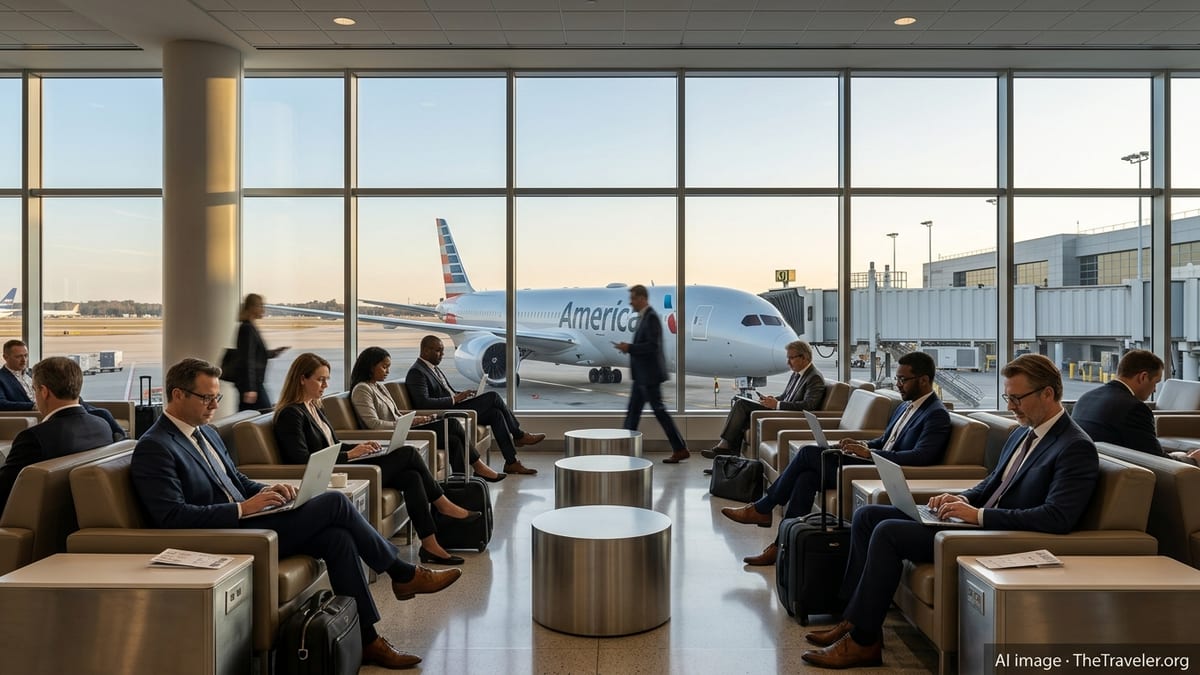
American Airlines is preparing a significant overhaul of its fleet, outlining a multiyear plan to add hundreds of new aircraft, expand premium seating across cabins and reintroduce seatback entertainment screens to large portions of its domestic network.
Get the latest news straight to your inbox!
Large Aircraft Order Anchors Long-Term Fleet Strategy
Public filings and company releases show that American Airlines has committed to one of the largest narrowbody refresh programs in its history, anchored by an order for 260 new aircraft placed in March 2024. The package includes 85 Airbus A321neo jets, 85 Boeing 737 MAX 10 aircraft and 90 Embraer 175 regional jets, extending the carrier’s order book well into the next decade.
These new orders sit on top of an already substantial pipeline. Data from fleet disclosures indicate that American now has more than 400 aircraft on order or option, with deliveries of Airbus A320neo-family, Boeing 737 MAX and Boeing 787 jets stretching through the late 2020s and beyond. The airline is also introducing Airbus A321XLR and additional Boeing 787-9 aircraft for long-haul flying, both configured with new long-haul premium cabins.
The combined order positions American to gradually retire older narrowbody jets and standardize around larger, more efficient models. Analysts note that this approach should allow the airline to increase the average number of seats per departure while still making room for more higher-yield premium seating at the front of the cabin.
According to industry reporting, the decision to split the latest order between Airbus and Boeing continues American’s longstanding dual-supplier strategy, which aims to balance pricing leverage with operational flexibility as it renovates one of the youngest mainline fleets among large U.S. carriers.
More First Class and Extra-Legroom Seats Across the Narrowbody Fleet
Alongside the aircraft order, American has outlined what it describes in public documents as a “premiumization” strategy focused on boosting the number of higher-revenue seats on domestic and short-haul international routes. Planning materials and investor presentations indicate that virtually all mainline narrowbody types are targeted for changes in cabin layout and seating mix.
Refit plans for existing Airbus A319 and A320 aircraft call for additional first class seats compared with today’s configurations, restoring or expanding front-cabin capacity that had been reduced in earlier densification efforts. New A321neo deliveries and forthcoming 737 MAX 10 jets are expected to arrive with expanded first class cabins and a larger number of extra-legroom economy seats than the airline offers on many of its current narrowbody aircraft.
American has signaled that these steps are intended to increase the share of premium seats in its domestic system, a segment that typically generates higher unit revenue from business travelers and high-status frequent flyers. Industry observers note that more spacious seating at the front of the cabin and in extra-legroom rows also helps narrow the product gap with rivals that have emphasized premium offerings on competitive routes.
The airline’s regional affiliates are also part of the plan. Orders for 90 Embraer 175 jets are tied to updated interiors with a refreshed design and continued two-class layouts, preserving first class seating on many shorter routes that feed American’s major hubs.
Seatback Screens Return as Inflight Experience Becomes a Priority
In a notable strategic shift, American is preparing to bring seatback entertainment back to much of its future narrowbody fleet. Recent communications and coverage of the airline’s fleet plans describe a “next-generation platform” of embedded screens that will be installed on new Airbus and Boeing deliveries from the late 2020s, along with retrofits on select existing aircraft.
The move reverses an earlier emphasis on streaming content to passengers’ personal devices. For much of the past decade, American removed seatback screens from many domestic aircraft as part of weight-saving and cost-control efforts, relying instead on onboard Wi-Fi and a bring-your-own-device model. Passenger feedback and competitive pressure from United and Delta, which have invested heavily in modern seatback systems, appear to have influenced the updated approach.
According to descriptions in public materials, the planned entertainment system will feature large, high-resolution displays at each seat, USB-C power and support for customers’ own headphones. By pairing hardware upgrades with American’s existing high-speed connectivity, the airline aims to create a more consistent entertainment experience across narrowbody and widebody fleets.
Industry analysts view the return of seatback screens as part of a broader shift in how full-service U.S. carriers differentiate themselves, particularly on busy domestic routes where multiple airlines compete heavily on product rather than price alone.
Cabin Refresh Extends Beyond Seats and Screens
American’s fleet plans encompass more than additional premium seats and new entertainment systems. Technical documents and fleet fact sheets describe a wide-ranging interior refresh for many existing aircraft, including redesigned seats, updated lighting and larger overhead bins designed to accommodate more standard carry-on bags.
Refurbished A319 and A320 cabins, for example, are being outfitted with new-powered seating that adds individual charging points, along with modernized sidewalls and cabin finishes. The airline’s Boeing 777-200ER and 777-300ER widebodies are also undergoing retrofits to introduce new premium seating products and updated cabin layouts on long-haul routes.
American has emphasized that these changes are intended to create a more cohesive look and feel across the fleet, reducing the variability in customer experience that can result from flying multiple aircraft types with different vintages of interior design. More consistent cabin standards can also simplify maintenance and reduce turnaround times at busy hubs.
Operationally, the use of newer, higher-capacity aircraft allows the airline to consolidate some frequencies while maintaining or increasing total seat capacity on key routes. That, in turn, can free up aircraft for deployment in growth markets or for replacing older jets that are less fuel efficient and more costly to maintain.
Competitive Pressures and Passenger Expectations Shape the Upgrade
The timing and scope of American’s fleet overhaul reflect an increasingly competitive landscape in North American air travel. Major rivals have spent recent years publicizing interior upgrades, from expanded premium cabins to high-definition seatback entertainment and enhanced onboard connectivity, setting new benchmarks for passenger expectations on domestic flights.
By expanding the number of premium and extra-legroom seats and restoring embedded entertainment across much of its future narrowbody fleet, American is positioning itself to compete more directly for high-value travelers who weigh onboard comfort and amenities alongside schedule and price. Industry commentary suggests that the airline’s focus on both hard product and digital services is intended to strengthen loyalty at a time when customers have multiple alternatives on popular routes.
The scale of the investment also underscores how central fleet planning has become to airline strategy. With hundreds of new aircraft on order and a detailed roadmap for retrofitting existing jets, American is effectively locking in the contours of its onboard product for the next decade. Passengers are likely to see the most visible changes roll out gradually, with new deliveries and cabin refreshes arriving year by year, but the overall direction of travel is already becoming clear.
For travelers, the practical impact will be measured in the small details: a more spacious first class cabin, an extra inch or two of legroom in preferred rows, a seatback screen that allows them to watch a film without juggling multiple devices. Taken together, these changes represent a significant shift in how one of the world’s largest airlines presents itself to passengers, and signal that the race to upgrade the in-cabin experience is far from over.