

Healthcare quality and accessibility are central considerations for anyone evaluating a move to Mexico. The country offers a mix of public and private systems, with relatively low average health spending compared with many developed economies but a strong network of private providers in major urban areas. For expats, understanding how the public schemes interact with the private market and what this means in practice is essential to making an informed relocation decision.
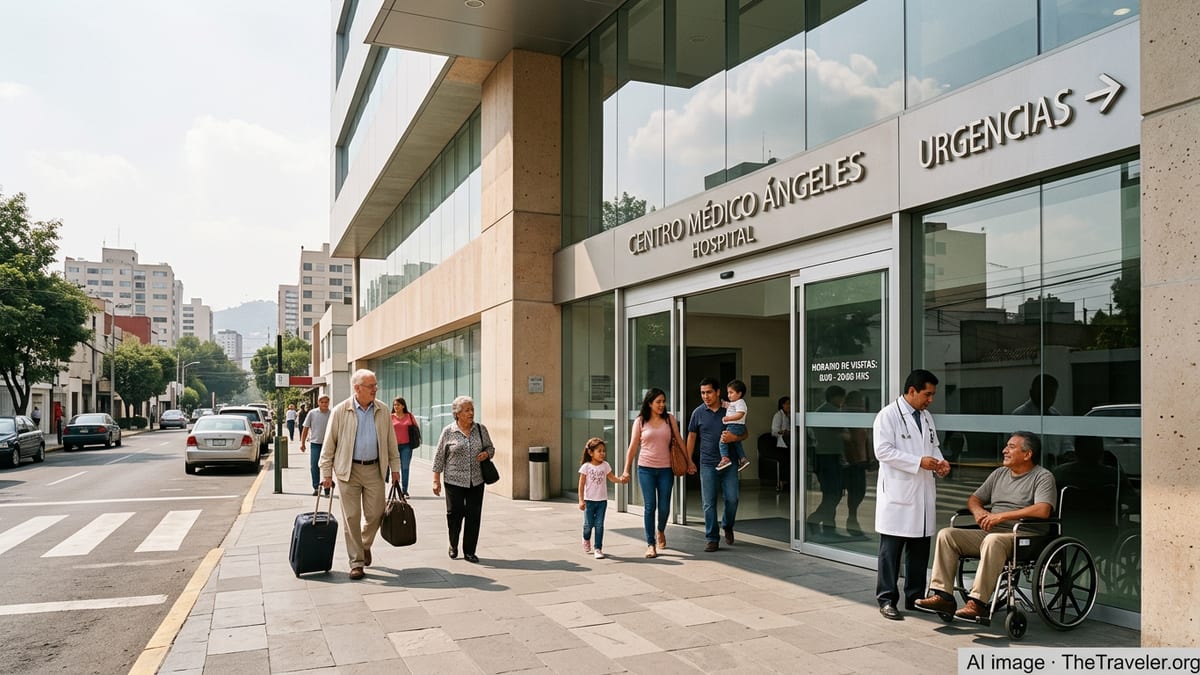
Overview of Healthcare Performance in Mexico
Mexico is classified as a middle-income country with universal health coverage mandated in its constitution. In practice, the system is fragmented into employer-based social security schemes, a program for people without formal employment, and a large private sector. Total health expenditure per person is roughly one quarter of the average in high-income OECD countries, and health outcomes reflect this gap, with life expectancy several years lower than the OECD average and significant regional disparities between states.
Out of pocket payments remain high by international standards, accounting for around 40 percent of total health spending compared with an OECD average of under 20 percent. This heavy reliance on direct payments at the point of care is a key risk factor for expats who plan to depend primarily on the public system. While many services are nominally free for eligible residents, shortages of medicines, long waits, and limited specialist availability often push both locals and foreigners into private clinics.
For relocating professionals and retirees, the headline assessment is that Mexico offers a dual reality. There is a strong cadre of well trained physicians, many of whom have experience or qualifications from the United States or Europe, and modern private hospitals in major cities. At the same time, the public sector faces chronic resource constraints, varying quality, and long waiting times. An accurate evaluation therefore requires separating the public social security system, the new IMSS Bienestar program for the uninsured, and the private market.
Structure of the Public Healthcare System for Residents and Expats
Mexico’s public healthcare landscape is divided between employment linked social security institutions and programs for those without formal social security. The main social security provider is the Mexican Social Security Institute (IMSS), which covers most private sector employees. Public sector workers are covered by a separate institution. Contributions to IMSS are shared between employers, employees, and the federal government, and affiliated workers receive access to IMSS clinics and hospitals, along with other social security benefits.
For people without employer based social security, including many informal workers and low income households, the federal government has reorganized coverage into IMSS Bienestar. This program is in the process of taking over from an earlier scheme and is responsible for providing free services and medicines in participating states to those who are not covered elsewhere. The transition is still ongoing in some regions, and implementation quality varies. In practice, expats without formal employment who become legal residents may encounter a patchwork of access depending on state level arrangements and the pace of integration into IMSS Bienestar.
Public health facilities are tiered. Primary care is delivered through community clinics and family medicine units, while more complex care is provided by secondary and tertiary hospitals. Many facilities face equipment shortages, staff overload, and significant waiting lists for non emergency surgery and specialist consultations. These constraints are particularly pronounced in rural states and some southern regions, although even large urban hospitals can experience congestion. As a result, the practical value of public coverage for expats depends heavily on their location, health profile, and tolerance for waiting times.
IMSS Social Security: Strengths, Limitations, and Voluntary Enrollment
IMSS remains the backbone of Mexico’s public health insurance for the formally employed population. For expats with local employment contracts, enrollment in IMSS is typically mandatory, with payroll deductions applied automatically. IMSS offers broad coverage for primary care, specialist consultations, hospitalizations, maternity care, and a defined list of medicines, typically with no point of service fees beyond modest copayments in some circumstances. For routine and chronic care, this can represent substantial value compared with private costs in North America or Western Europe.
However, the system faces chronic challenges. Waiting times for non urgent specialist appointments can extend to weeks or months in busy urban areas. Access to high cost medicines and advanced diagnostics may be limited or delayed, and patients are often assigned to specific clinics and hospitals rather than freely choosing providers. Facilities can be crowded, particularly in densely populated cities, and appointment systems are frequently perceived as bureaucratic. These factors frequently lead insured individuals to pay privately for faster access, effectively using IMSS as a safety net for major events.
Some expats without employer coverage may be able to enroll in IMSS on a voluntary basis as residents, but eligibility rules and waiting periods can vary and have been tightened in recent years. Voluntary schemes may impose exclusions for pre existing conditions and have age related restrictions or higher contributions for older applicants. For relocation planning, IMSS is usually best viewed as one component of a broader health strategy rather than a standalone solution, particularly for retirees or individuals with complex medical histories.
IMSS Bienestar and Care for Residents Without Social Security
IMSS Bienestar is a relatively new federal program designed to provide free healthcare services and medicines to people without social security coverage. It was formally assigned responsibility for this population in 2023, replacing an earlier agency, and its roll out has been phased, with states entering into agreements with the federal government to transfer public hospitals and clinics into the IMSS Bienestar network. This reform aims to standardize and improve services for the uninsured, but implementation is ongoing and heterogeneous.
In theory, legal residents without IMSS or other social security coverage should be able to access IMSS Bienestar services in participating states, primarily for primary care, maternal and child health, and basic hospital services. In practice, documentation requirements, capacity constraints, and local administrative practices mean that the expat experience can vary substantially. Some facilities may prioritize established local patients, and language barriers or unfamiliarity with procedures can delay access for foreign residents.
Quality in IMSS Bienestar facilities is uneven. Some hospitals and clinics, particularly those that previously operated under federal or well resourced state systems, have reasonably modern infrastructure and adequate staff. Others struggle with shortages of medicines, outdated equipment, and long queues. The program focuses strongly on basic and preventive care and the management of common chronic conditions such as diabetes and hypertension. For expats, IMSS Bienestar is best understood as a safety net for essential care rather than a substitute for comprehensive private insurance, especially for those who anticipate needing specialist or high complexity treatment.
Private Healthcare: Quality, Access, and Cost Dynamics
Mexico has a large and diverse private healthcare sector, ranging from small neighborhood clinics to sophisticated tertiary hospitals in major cities such as Mexico City, Guadalajara, and Monterrey. Many private hospitals target middle and upper income Mexicans and international patients, and some maintain international accreditations or alliances. Physicians frequently train partly in the public system but supplement their income through private practice, which helps explain why clinical quality in private facilities can be high despite relatively low national health expenditure per capita.
Access to private care is usually rapid. Same day or next day specialist consultations are common in urban areas, and diagnostic imaging and elective procedures can often be scheduled within days rather than weeks. Appointment systems are generally more flexible than in the public sector, and facilities tend to offer higher service standards in terms of privacy, comfort, and staff to patient ratios. For expats arriving from higher cost healthcare environments, consultations and many procedures are notably cheaper in nominal terms than in the United States, although high end hospitals can be costly by local standards.
Costs in the private sector vary widely. Primary care consultations in mid tier clinics may be relatively affordable, but inpatient stays, surgery, intensive care, oncology, and complex imaging can accumulate quickly. Out of pocket care without insurance can become financially burdensome in serious medical events. Private hospitals often require proof of insurance or a substantial deposit before admission, particularly for emergency care. For relocation planning, this reinforces the importance of securing appropriate private health insurance rather than relying solely on the perceived low cost of medical services in Mexico.
Comparative Quality and Risk Assessment for Expats
From a comparative standpoint, Mexico’s overall health outcomes lag behind those of many OECD peers, driven in part by lower spending, high prevalence of non communicable diseases, and persistent inequalities between regions. However, when focusing specifically on the private sector in major cities, health service quality for insured expats can be broadly comparable to care in mid range facilities in high income countries, particularly for elective procedures, diagnostics, and routine specialist care. The key differences are system fragmentation, variability in standards, and the financial exposure associated with high out of pocket spending.
For relatively healthy expats living in or near major urban centers and carrying robust international or local private insurance, Mexico can offer a favorable balance of quality and cost. The combination of IMSS (for those employed) or IMSS Bienestar (as a basic safety net) plus private insurance for speed and choice can create a diversified risk structure. However, expats with complex chronic conditions, those requiring specialized long term care, or those based in rural or peripheral areas may face more significant challenges in accessing consistent high quality services.
Another consideration is emergency care and medical evacuation. While many urban private hospitals are well equipped for trauma and intensive care, pre hospital emergency systems can vary, and coordination between public and private providers is not always seamless. Some expat oriented insurance policies include coverage for air evacuation to another country in the event of very complex conditions. For high risk individuals or those who expect to travel frequently, such provisions may be an important component of their overall healthcare risk management strategy in Mexico.
Strategic Healthcare Planning for Prospective Expats
Prospective expats should view Mexico’s healthcare environment through a strategic risk management lens rather than assuming that low nominal prices equate to low risk. The starting point is an honest assessment of individual and family health profiles, including age, existing diagnoses, medication needs, and anticipated use of specialist services. This should then be matched against the capabilities of local public facilities in the intended destination, the density and reputation of private hospitals and clinics, and the availability and cost of suitable insurance coverage.
Common strategies among long term foreign residents include combining limited use of public services with structured engagement with the private sector. Working expats rely on IMSS for basic and catastrophic coverage but use private clinics for most outpatient care, often funded through mid level insurance plans or direct payments. Retirees and self employed professionals typically prioritize international or local private insurance that covers inpatient care and major procedures, while paying out of pocket for low cost consultations and diagnostics. In all cases, careful selection of preferred hospitals and keeping updated contact details for trusted providers and emergency services is recommended.
Given the high share of out of pocket expenditure nationally, expats should avoid relocation plans that depend solely on ad hoc self funding of private care. A single complex hospitalization can erode perceived cost savings from living in a lower cost healthcare environment. Comprehensive relocation planning should incorporate detailed analysis of health insurance options specific to age band, pre existing conditions, and intended geographic base within Mexico, as well as contingency plans for serious illness or injury.
The Takeaway
Healthcare in Mexico can be good for expats, provided expectations are calibrated correctly and appropriate financial protections are in place. The public system, through IMSS and IMSS Bienestar, offers an essential foundation of coverage but is constrained by limited resources, variable quality, and long waits that make it insufficient as a sole solution for many foreign residents. The private sector, by contrast, delivers faster access and generally higher service standards, particularly in major cities, but exposes uninsured individuals to potentially high costs during serious medical events.
For expats evaluating relocation, the decisive factors are location, health status, and willingness to invest in robust private insurance. Those who secure quality coverage and settle near strong private hospitals typically report satisfactory to very positive experiences with Mexican healthcare. Those who rely exclusively on the public system, especially with complex health needs or in under resourced regions, face higher risks and should weigh these carefully against other advantages of living in Mexico. As with other relocation determinants, healthcare should be analyzed early and in detail, using conservative assumptions and a clear understanding of the structural strengths and weaknesses of Mexico’s mixed public private system.
FAQ
Q1. Is Mexico’s public healthcare system sufficient on its own for most expats?
The public system provides essential coverage but often involves long waits, variable quality, and limited specialist access, so many expats supplement it with private insurance.
Q2. Can foreign residents enroll in IMSS for healthcare coverage?
Expats employed in Mexico are typically enrolled through their employer, and some residents may access voluntary schemes, though eligibility rules, exclusions, and age limits can apply.
Q3. How does the quality of private hospitals in Mexico compare internationally?
Major private hospitals in large cities often provide care comparable to mid to high tier facilities in developed countries, especially for elective procedures and diagnostics.
Q4. Are healthcare costs in Mexico significantly lower than in the United States?
Routine consultations and many procedures are generally cheaper than in the United States, but complex hospitalizations without insurance can still be financially substantial.
Q5. Is health insurance mandatory for expats living in Mexico?
Health insurance is not universally mandatory, but relying solely on out of pocket payments is risky, so comprehensive private insurance is strongly recommended for most expats.
Q6. Does IMSS Bienestar cover foreign residents without formal employment?
IMSS Bienestar is designed for people without social security, and legal residents may access services where the program operates, although implementation and access can vary by state.
Q7. How important is location within Mexico for healthcare quality?
Location is critical; large cities usually offer a wider choice of high quality private hospitals and specialists, while some rural and southern regions have more limited options.
Q8. Are medicines readily available through the public system?
Essential medicines are supposed to be available, but stockouts and shortages are common in some public facilities, leading many residents to purchase medications privately.
Q9. Should expats consider medical evacuation coverage?
For individuals with complex health risks or those living far from major hospitals, policies that include evacuation or treatment abroad can be a valuable additional safeguard.
Q10. Is healthcare in Mexico a net advantage or disadvantage for relocation?
For insured expats in well served urban areas, healthcare can be a relative advantage, but for those without insurance or in under resourced regions, it represents a significant risk factor.