

More news on this day
As the US–Iran war rattles the wider Middle East with missile strikes, airspace closures and evacuations, many potential visitors are asking whether it is still safe to travel to Turkey in spring 2026.
Get the latest news straight to your inbox!
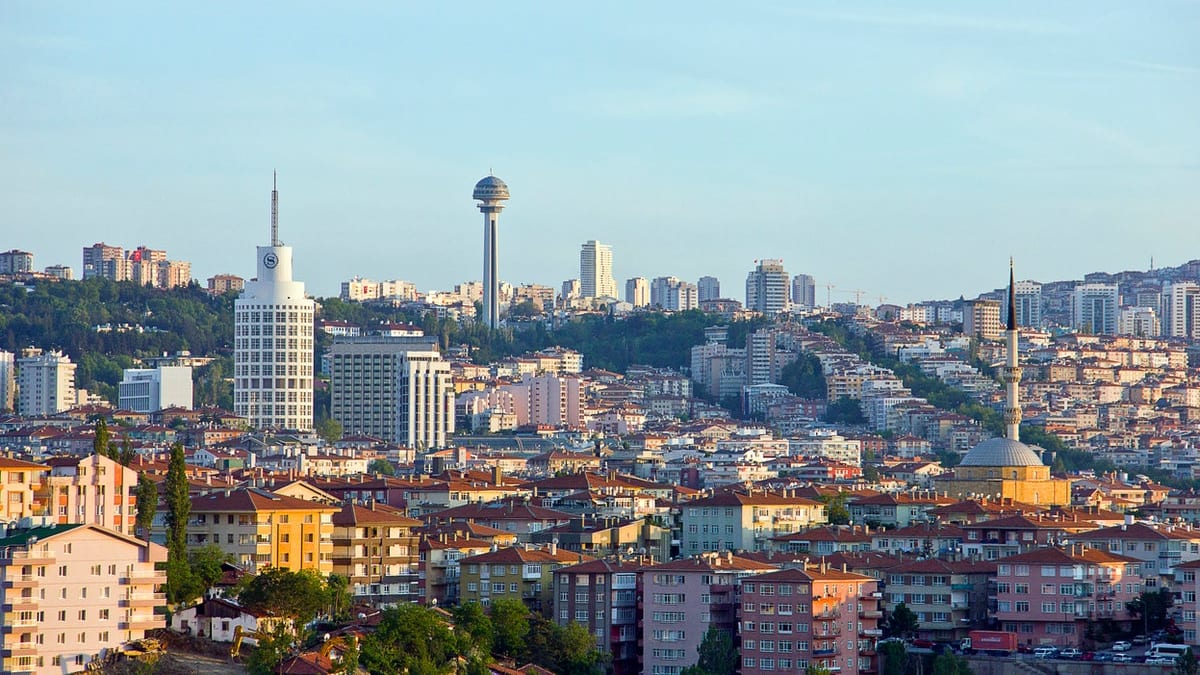
Image by The Independent
Turkey’s Position in a Shifting Regional Conflict
Turkey shares a land border with Iran and Iraq yet remains outside the current US–Iran fighting, which is concentrated further east and around the Gulf. Reports describe Turkish leaders urging de-escalation and positioning the country as a mediator, rather than a direct participant in the conflict. While the war has raised anxieties for visitors across the region, public information indicates that daily life in Turkey’s major tourism hubs such as Istanbul, Antalya, Izmir and Cappadocia continues largely as normal.
Analysts note that Turkey has long experience managing security concerns on its borders while sustaining a large tourism industry. The country received tens of millions of visitors in recent pre-war years, and recent economic assessments suggest authorities are keen to protect that revenue even as they navigate higher energy prices and trade disruptions linked to the Iran war. For now, the primary impact on many travelers is indirect, through flight-routing changes and higher costs, rather than direct security incidents in core tourist areas.
Nevertheless, the war has raised the broader regional risk level. Missile interceptions in Middle Eastern airspace, heightened rhetoric and threats against Western interests, and occasional drone activity around military sites in neighboring states all contribute to a more fragile environment. Travelers considering Turkey are increasingly weighing the relative distance of their chosen destinations from the Iranian border and from any sites seen as strategically sensitive.
Latest UK and US Travel Advisories on Turkey
According to recent updates summarised in travel coverage, the United Kingdom’s Foreign, Commonwealth and Development Office continues to distinguish sharply between different parts of Turkey. The guidance advises against travel to areas near the borders with Syria and parts of Iraq, and identifies restricted zones in the far southeastern province of Hakkari where special permission is required to approach frontier regions. These restrictions pre-date the February 2026 strikes but have taken on fresh relevance as tensions with Iran rise.
Publicly available information indicates that the wider country, including Istanbul, the Aegean and Mediterranean coasts, central Anatolia and western resort regions, remains open to visitors under standard security advice. The UK guidance highlights routine risks such as occasional political demonstrations, isolated security incidents and the need to follow local instructions, but it does not classify the main tourism belt as an active conflict zone or advise against all travel there.
For US travelers, the State Department continues to apply a graded advisory. The overall advice for Turkey urges increased caution, but separate language singles out areas close to the Syrian and Iraqi borders as “Do Not Travel” zones. In March 2026, publicly available notices show that non-emergency US government personnel and their families were ordered to depart the US Consulate in Adana, in southern Turkey, due to security concerns connected to the Iran war. This move underscores that southern border provinces are viewed as higher risk than the country’s tourism heartlands in the northwest and along the western coasts.
Both British and American advisories stress that conditions can change quickly. Travelers are urged to monitor their own government’s websites closely before and during trips, pay attention to local media and be prepared to adjust plans if alerts are raised for specific cities or regions.
Airspace, Flight Routes and the Risk of Disruption
One of the most immediate effects of the US–Iran war for travelers has been in the skies rather than on the ground. Since the first wave of joint US and Israeli strikes on Iran in late February, airlines have re-routed flights to avoid Iranian and parts of regional airspace, according to aviation industry reporting. Several Gulf states temporarily closed or restricted their skies following retaliatory attacks, with reports of injuries at major hubs after drone and missile incidents.
Turkey’s large airports, particularly Istanbul, have remained operational and have even served as diversion points when traffic to Gulf hubs has been curtailed. Nonetheless, the wider reshaping of flight paths has led to delays, longer route times and, on some days, clusters of cancellations and missed connections affecting Istanbul itineraries. Travelers with onward flights across the Middle East or to South and Central Asia are especially exposed to knock-on disruptions when airspace restrictions shift suddenly.
Risk experts note that while the chance of a civilian airliner being directly targeted remains low, the unpredictability of regional military activity increases the likelihood of temporary closures or rerouting at short notice. For visitors heading to Turkey, the practical question is often less “Is the country safe?” and more “How likely am I to be stranded if airspace changes again while I am abroad?” Those with tight schedules or essential commitments at home may need to factor this elevated disruption risk into their decision-making.
Travel insurance is an additional consideration. Some policies exclude coverage for war-related disruptions, especially when they involve known conflicts or official advisories against travel to particular areas. Recent insurer bulletins have reminded customers to check whether cancellations or delays linked to the Iran war are covered and to clarify terms around “acts of war” or airspace closures before departure.
On-the-Ground Security Picture in Tourist Areas
In Istanbul, Cappadocia and the Mediterranean coast, recent traveler accounts and local reporting depict relatively calm conditions, with tourist sites, restaurants and hotels operating as usual. The distance from the Iranian border is considerable, and there have been no publicly reported strikes in these areas related to the current conflict. Istanbul, in particular, is a major global hub accustomed to high security, with visible policing in busy districts and at transportation nodes.
Nonetheless, Turkey’s size and diversity mean that conditions vary. Southeastern provinces near Syria, Iraq and Iran have long been subject to special security measures, occasional military operations and movement restrictions, independent of the latest war. The new layer of regional tension amplifies existing risks in those frontier areas and is one reason foreign governments continue to warn against travel there.
Urban centers such as Ankara and Istanbul can also see political demonstrations, especially in response to developments in the wider Middle East. Publicly available guidance generally advises staying away from protests, avoiding sensitive public buildings, and allowing extra time for security checks at airports, bus terminals and key attractions. Visitors who follow routine safety practices, keep their plans flexible and remain attentive to local news typically report uneventful stays.
For many travelers, perceived risk is as important as official assessments. Online discussions show a split between those who see Turkey as no more dangerous than many other large countries and those who are uneasy about visiting any state bordering Iran during an active war. This divergence underscores the need for individual risk tolerance to guide decisions, even when formal advisories permit travel.
Practical Advice for Travelers Considering Turkey Now
For those weighing a trip to Turkey in the coming weeks, experts in travel risk management point to several practical steps. First, they recommend focusing itineraries on well-established tourist regions away from the Iranian and Iraqi frontiers, such as Istanbul, the western and southern coasts, and central Anatolia’s main attractions. Avoiding unnecessary travel to southeastern border provinces reduces exposure to any spillover from the Iran war and aligns with the strictest parts of foreign government guidance.
Second, travelers are urged to maintain flexibility. Opting for refundable or changeable airfares and accommodation, avoiding overly tight connections and allowing buffer days for long-haul journeys can help mitigate the effect of sudden airspace changes or schedule disruptions. Keeping digital copies of travel documents, monitoring airline apps and signing up for alert services from home-country embassies are also widely recommended measures.
Third, careful review of travel insurance is crucial. Policies that explicitly cover trip interruption due to conflict-related airspace closures or official advisories can offer additional reassurance, though they may come at a higher premium. Travelers should read exclusions closely and, if necessary, seek written clarification about how war-related events in the region would be treated.
Ultimately, current public information suggests that for most visitors, the main Turkish tourism centers remain accessible and relatively stable, even as the US–Iran war unsettles the broader Middle East. Whether to travel is a personal judgment call that depends on appetite for disruption and changing risk, but those who do choose to go can reduce exposure by following official travel advisories closely, building flexibility into their plans and staying informed about developments in the conflict while abroad.