

Italy enters 2026 in the global spotlight, hosting the Milano Cortina Winter Olympics and preparing for another record-breaking tourism year. With recent headlines about petty theft, protests, rail sabotage and updated terrorism advisories, many travelers are asking a simple question with a complex answer: is Italy actually safe to visit in 2026? The picture is broadly reassuring, but it demands realistic expectations and smart preparation.
The Overall Safety Picture in Italy for 2026
Italy remains one of the world’s most visited destinations, attracting tens of millions of international arrivals each year, and there is no indication that this will change in 2026. Major tourism markets such as the United States and Canada currently advise visitors to exercise increased caution rather than avoid travel, placing Italy in the same broad category as countries like France, Germany and Spain. This reflects a combination of low everyday violent crime for tourists and elevated vigilance around security-sensitive events, especially during the Milano Cortina 2026 Winter Olympics.
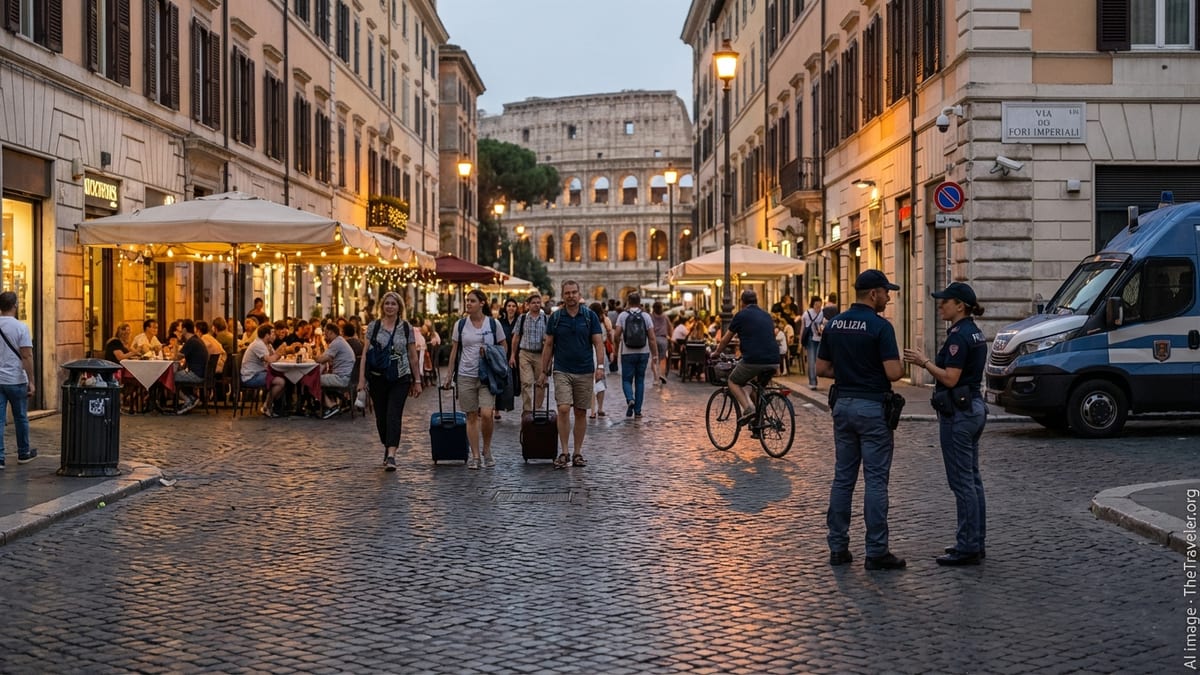
For most visitors, the greatest day-to-day concerns are not violent attacks but opportunistic crime, crowd-related risks and the impact of extreme weather or transport disruptions. While incidents like the February 2026 rail sabotage that disrupted tens of thousands of passengers caused significant delays, they did not result in injuries, and Italian authorities responded by tightening security on rail corridors and in and around Olympic host cities. Travelers should expect a conspicuous police presence at key hubs, regular bag checks at stations and stadiums, and occasional service changes linked to security operations.
Outside high-profile events and very crowded urban areas, the safety profile of Italian destinations has changed little in recent years. Small towns, hilltop villages and rural regions continue to report relatively low crime, and most visitors describe feeling safe walking around in the evening in historic centers that remain lively late into the night. The key is understanding where risks are concentrated, and adjusting behavior accordingly, rather than assuming that the entire country is either dangerous or perfectly secure.
In practical terms, a well-prepared traveler who takes basic precautions is statistically far more likely to experience trip disruption from a delayed train, a heatwave or a misplaced bag than from any targeted attack. That reality should guide how you plan, insure and manage your stay in 2026.
Crime, Scams and Personal Security
The single most common safety issue for tourists in Italy in 2026 is still petty theft. Rome and Milan stand out as national hotspots for pickpocketing and bag snatches, largely because they combine dense historic centers, heavy pedestrian traffic and crowded public transport. Data reported by Italian media show that pickpocketing complaints in Rome climbed sharply in recent years, with tens of thousands of cases recorded in 2024 and experts warning that the true number is higher because many visitors do not bother filing a report. In both cities, the risk is highly localized in areas where travelers bunch together: metro lines at rush hour, major rail stations, and iconic attractions where visitors are distracted by taking photos.
Typical scenarios repeat across big cities. On the Rome metro, especially on the line linking Termini station to the Vatican area, thieves work in coordinated groups, using sudden shoves or doors about to close to create confusion. Around the Colosseum, Trevi Fountain and Spanish Steps, distraction scams remain common: someone may thrust a bracelet, rose or small trinket into your hand, insist it is a gift, then aggressively demand payment while an accomplice moves behind you. In Milan, the busiest shopping streets, trams, and the forecourt of Milano Centrale station see similar patterns, with particular attention to visitors distracted by phones or luggage.
Violent crime involving tourists remains relatively rare, especially compared with some large cities elsewhere in the world. When robberies occur, they most often involve snatching bags or watches rather than physical assault. Nonetheless, travelers should avoid poorly lit peripheral areas late at night, take licensed taxis or recognized ride-hailing services after midnight where available, and keep nights out in balance with an honest assessment of how much cash, jewelry or electronics they are carrying.
Simple habits significantly reduce your exposure: carry only what you need for the day, use a money belt or interior pocket for passports and most of your cards, keep bags zipped and in front of you, and never leave belongings unattended even briefly in cafés or train stations. In hotels and apartments, use safes where available and be cautious about letting unknown people follow you through secured entrances. These measures are neither difficult nor extreme, but they make the difference between leaving Italy with your memories intact or spending half a day at a police station.
Terrorism, Protests and Political Tension
In May 2025 the United States raised its travel advisory for Italy from Level 1 to Level 2, citing a risk of terrorist violence and encouraging travelers to exercise increased caution. Italy’s rating now matches that of several other key European destinations. The advisory does not indicate that everyday life is unsafe; instead it reflects concern that terrorist incidents, while unlikely on any individual trip, can occur with little warning and tend to focus on transport hubs, heavily visited landmarks, and large public gatherings.
Italy has experienced isolated episodes that highlight this context, including the coordinated sabotage of railway infrastructure in February 2026 by anarchist groups opposed to the Winter Olympics. These acts caused major delays, service cancellations and reputational damage but resulted in no injuries, and law enforcement responded by reinforcing security patrols and surveillance at key nodes. From a traveler’s perspective, these events are less a reason to avoid the country than a reminder that contingency planning matters. Booking flexible tickets when possible, allowing generous time between connections and keeping a day’s worth of essential medication and supplies in your hand luggage rather than checked bags are all prudent steps.
Beyond terrorism concerns, Italy has a vigorous culture of protest. Recent years have seen large-scale demonstrations and general strikes linked to the Gaza conflict, labor disputes and environmental campaigns, sometimes affecting more than 70 municipalities in a single wave of action. These gatherings are typically announced in advance and are overwhelmingly peaceful, although confrontations between small groups of protesters and police have occasionally led to tear gas and localized disruption, especially around main squares and rail stations.
Travelers should adopt a simple rule: avoid protests, marches and political rallies even if they appear calm. Keep an eye on local news, pay attention to transport operator alerts and be prepared to modify daily plans when strikes affect trains, buses, ferries or flights. Hotels and local hosts are usually quick to share practical advice, and adapting early is far less stressful than improvising at the last minute when services are already suspended.
Transport Safety, Driving and Getting Around
Italy’s transport infrastructure is extensive and generally safe, but travelers in 2026 should account for two realities: first, that security measures and occasional sabotage or strikes can cause notable delays, and second, that Italian road culture can feel more aggressive than what many visitors are used to at home. On railways, high-speed trains connecting cities such as Rome, Florence, Milan, Venice and Naples remain the backbone of tourist travel and record strong safety records. The February 2026 sabotage incident targeted infrastructure rather than passengers, and authorities quickly rerouted traffic and launched investigations, underscoring both vulnerability and resilience.
Within cities, public transport safety is closely tied to crowding levels. Buses and metros are structurally safe, but they are also where pickpockets thrive. Travelers should distribute valuables, avoid standing near doors with bags exposed, and consider traveling just before or after the most intense rush hours when possible. Late at night, trams and buses may be more sparsely populated; choosing well-lit stops, traveling in small groups when you can and using taxis for isolated or unfamiliar neighborhoods improves peace of mind.
Driving in Italy can be rewarding, especially in rural regions, but it is not for everyone. Local drivers are often fast and assertive, road markings can be inconsistent, and navigating Limited Traffic Zones in historic centers is a persistent trap for visitors who inadvertently incur fines. On highways, accident rates are comparable to other Western European countries, and vehicles must pass regular inspections, but fatigue, speed and distraction remain universal risk factors. If you do rent a car, opting for full insurance coverage, using navigation that highlights restricted areas and allowing extra time for mountain roads or coastal routes are all smart choices.
Ferries and domestic flights operate to modern safety standards, and serious incidents are rare. Most travel disruption takes the form of weather-related delays or cancellations, particularly in winter when storms affect coastal routes or in summer when wildfires and heatwaves complicate operations. Building slack into tight itineraries, especially where an international flight depends on a prior train or ferry, greatly reduces the stress associated with such disruptions.
Climate, Natural Hazards and Seasonal Risks
Climate-related risks are becoming more central to the safety conversation about Italy. The country has experienced increasingly intense summer heatwaves, with 2025 bringing record-breaking temperatures in several cities and multiple heat-related deaths. In late June and early July that year, dozens of urban centers, including Rome, Bologna and Florence, were placed under red or orange heat alerts as temperatures climbed toward and in some places exceeded 40 degrees Celsius. Electricity demand soared, and parts of Florence even experienced power outages linked to overheated infrastructure.
For travelers, extreme heat is less a dramatic emergency than a cumulative strain that can turn a dream holiday into an exhausting slog. Dehydration, sunstroke and exacerbation of chronic conditions are real dangers, particularly for older visitors or those with cardiovascular issues. Sensible precautions include planning intensive sightseeing early in the morning or in the evening, taking long midday breaks in air conditioned spaces, drinking water regularly and avoiding long walks on exposed streets during peak heat. Many Italian cities provide shaded parks and fountains, but shade alone is not always sufficient when humidity and temperatures combine to create dangerous heat indexes.
Italy also faces periodic natural hazards like floods, landslides and volcanic activity. In January 2026 a major landslide in Niscemi, Sicily, forced the evacuation of hundreds of residents and damaged roads and buildings, illustrating how heavy rainfall and unstable geology can suddenly impact mobility and infrastructure. While tourist casualties in such events are rare, they can affect access to certain regions, disrupt rail and road links and lead to last-minute itinerary changes. Travelers heading to mountainous or coastal areas should monitor local advisories, respect trail and road closures and consider flexible booking policies.
Volcanic areas such as Mount Etna in Sicily remain popular attractions despite periodic eruptions and ash emissions. Authorities typically close summit trails and adjust flight operations when activity increases, prioritizing safety. Those visiting should book with reputable local guides, follow official instructions without exception and understand that last-minute cancellations are a sign of responsible management rather than cause for alarm. More broadly, comprehensive travel insurance that covers weather and natural hazard disruptions is a prudent investment for Italy in 2026.
Social Issues, Harassment and Solo Travel
Italy’s social climate is generally welcoming to visitors, but it is not free of issues such as gender-based violence, harassment and discrimination. Public debate has intensified in recent years following high-profile cases of femicide and violence against women, prompting the government in 2025 to back a draft law that defines femicide as a specific crime, punishable by life imprisonment, and to strengthen penalties for stalking, sexual violence and related offenses. These measures are aimed at addressing deeply rooted problems within Italian society rather than a wave of crimes against tourists specifically, but they illustrate the broader context in which female travelers move.
For women, especially those traveling alone or in small groups, street harassment can be an annoyance in some areas, though outright assault against tourists remains uncommon. Unwanted comments, persistent flirting or pressure in nightlife districts occasionally occur. Firm but calm refusals, staying in public and well-lit areas, and leaving bars or clubs with trusted companions or via licensed transport reduce exposure. Choosing accommodation in central neighborhoods with good nighttime foot traffic and reviews that mention safety is another effective strategy.
LGBTQ+ travelers will find major cities like Rome, Milan, Bologna and Naples home to visible queer communities, pride events and a growing number of inclusive spaces. At the same time, legal protections remain incomplete and public attitudes can vary widely, especially in smaller towns and more conservative regions. As in many parts of Europe, discretion about public displays of affection may reduce unwanted attention outside recognized queer-friendly venues. Researching local scenes in advance and prioritizing venues known for inclusivity can make trips more comfortable.
Racial and religious minorities may occasionally encounter stares, curiosity or intrusive questions, particularly in smaller or less diverse communities, but outright hostility is not typical. Still, isolated incidents can occur as they can anywhere. Choosing accommodation where staff are used to welcoming an international clientele, staying aware of surroundings and trusting your instincts about when to disengage from uncomfortable interactions are sensible guiding principles for any traveler.
Health, Medical Care and Practical Preparedness
Italy’s healthcare system is well regarded and offers high-quality emergency treatment, even for foreigners. In larger cities and major tourist areas, many medical professionals speak at least basic English, and in private clinics and international hospitals, staff may be fluent. Pharmacies are widely available and can advise on minor ailments, though many medications that may be over the counter elsewhere require prescriptions in Italy. Travelers with chronic conditions should arrive with an adequate supply of medications, prescriptions in generic names and a brief summary of their medical history translated into Italian or at least written clearly in English.
Public health risks for tourists are relatively low. Italy does not currently require special vaccinations beyond standard schedules for most visitors, and tap water is generally safe to drink in cities and towns, including from many public fountains marked as potable. Food hygiene standards are high in reputable restaurants and hotels, though street food stalls and very low-budget venues can vary. Common sense rules apply: choose busy places with high turnover, be cautious with raw seafood in hot weather and store perishable items properly in accommodations.
One area where preparation matters is travel insurance. Comprehensive policies that include medical coverage, emergency evacuation, trip interruption and coverage for strikes, natural disasters or security incidents are increasingly important in a world where disruptions can come from many directions. Italy is not uniquely risky in this respect, but its combination of crowded urban tourism, active geological zones and large public events in 2026 makes insurance a wise investment rather than an optional add-on.
Finally, language skills and documentation can streamline responses to any problem. Keeping digital and paper copies of your passport, insurance policy, emergency contact numbers and key reservations, and storing them separately from the originals, allows faster recovery if something is lost or stolen. Learning a handful of Italian phrases related to emergencies, directions and basic courtesy not only improves interactions with locals but can also reduce stress in the rare moments when you need help quickly.
The Takeaway
So, is Italy safe for tourists in 2026? For the vast majority of visitors, the answer is yes, provided that safety is understood as a shared responsibility between travelers, local communities and authorities. Italy’s crime profile skews toward nonviolent petty theft concentrated in a handful of heavily touristed neighborhoods and transit hubs. Terrorism concerns and recent rail sabotage underscore the importance of vigilance and flexible planning but do not translate into an everyday climate of fear. Climate change and natural hazards introduce new layers of complexity, while social issues from protests to gender-based violence shape the background rather than dominate the tourist experience.
What distinguishes travelers who look back on Italy fondly from those who feel overwhelmed is not luck so much as preparation and mindset. Those who research neighborhoods, use hotel safes, build slack into transport connections, respect heat alerts and avoid protests tend to navigate the country with confidence. They discover that police and transport staff are accustomed to assisting foreigners, that locals will usually step in to help when asked, and that moments of discomfort are vastly outnumbered by scenes of everyday hospitality.
Ultimately, Italy in 2026 remains what it has long been: a complex, living country that balances extraordinary cultural riches with very human imperfections. Approached with realistic expectations, informed caution and a willingness to adapt, it offers an experience that is no less rewarding for being seen in full. Safety is not the absence of all risk, but the result of wise choices in the face of it, and Italy rewards those choices with unforgettable encounters, meals and landscapes.
FAQ
Q1. Is it safe to visit Italy during the Milano Cortina 2026 Winter Olympics?
Yes, Italy is expected to be broadly safe during the Olympics, but travelers should anticipate heightened security, possible rail delays and larger crowds at transport hubs and in host cities.
Q2. How common is violent crime against tourists in Italy?
Serious violent crime involving tourists is relatively rare in Italy; most incidents reported by visitors involve pickpocketing, bag snatches or minor scams in crowded areas.
Q3. Are Rome and Milan dangerous for travelers in 2026?
Rome and Milan are not generally dangerous, but they do have some of Italy’s highest rates of petty theft, especially around major sights, stations and public transport, so extra vigilance is needed.
Q4. Should I be worried about terrorism in Italy?
The risk of being personally affected by terrorism is low, but because Italy carries a Level 2 advisory from countries like the United States, travelers should stay aware of surroundings and avoid large, dense gatherings when possible.
Q5. How safe is public transport in Italy?
Trains, metros and buses are structurally safe and widely used, though they are prime locations for pickpockets and can be disrupted by strikes or occasional sabotage, so keep valuables secure and allow extra travel time.
Q6. What are the main seasonal or climate risks for tourists?
Increasingly intense summer heatwaves, localized flooding, landslides and occasional volcanic activity are the main environmental risks; following local alerts and adjusting plans for extreme weather is essential.
Q7. Is Italy safe for solo female travelers?
Many solo women travel safely in Italy each year; while they may encounter sporadic harassment, choosing central accommodation, avoiding very isolated areas at night and using licensed transport help manage risks.
Q8. Is Italy LGBTQ+ friendly for visitors?
Big cities and some regional hubs are quite welcoming and have visible LGBTQ+ scenes, though attitudes in smaller or more conservative areas can be mixed, so some travelers prefer a degree of discretion in public.
Q9. Do I need special vaccinations or health precautions?
Most travelers do not need special vaccinations beyond standard schedules; basic health precautions, travel insurance and bringing necessary medications from home are usually sufficient.
Q10. What practical steps can I take to stay safe in Italy?
Use hotel safes, carry only daily essentials, keep bags closed and in sight, avoid protests, monitor local news for strikes or heat alerts and purchase comprehensive insurance that covers medical care and trip disruptions.