

Italy enters 2026 as one of the most visited countries on earth, with record-breaking tourism numbers, headline cultural events and major infrastructure upgrades reshaping how visitors move around the country. At the same time, climate pressures, rising prices and new safety advisories mean that planning a trip now requires more thought than it did a decade ago. So is Italy worth visiting in 2026? The answer is still yes for most travelers, but the reasons why, and the conditions on the ground, are changing in important ways.
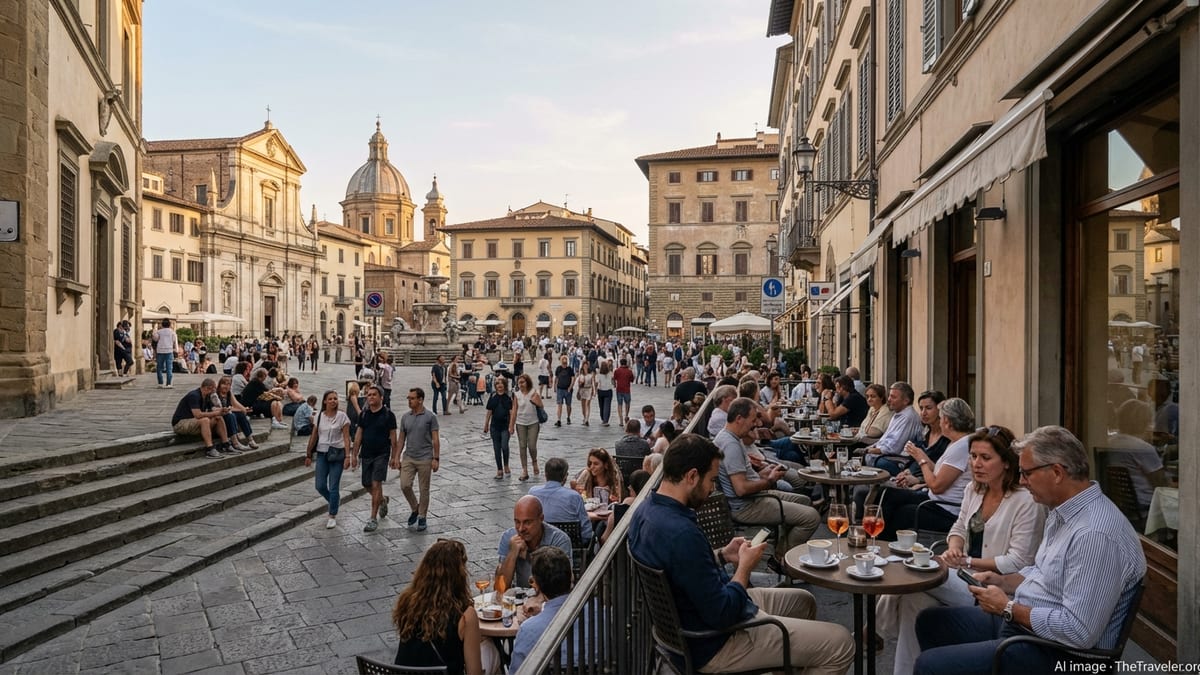
Tourism in Italy in 2026: Busier Than Ever, But Still Magical
Italy arrives in 2026 on the back of several consecutive record tourism years. Official data show that overnight stays in Italian accommodation reached new highs in 2024, with more than 450 million nights recorded nationwide and continued growth led by international visitors. Provisional figures for 2025 point to another increase in both foreign arrivals and total nights spent, confirming that demand has not peaked yet. For travelers, this means Italy is firmly back as a top global destination, with most services, tours and hospitality businesses operating at full strength.
That popularity does come with trade-offs. The busiest destinations, including Rome, Florence, Venice, the Cinque Terre and parts of the Amalfi Coast, now experience very intense seasonal peaks. Summer crowds in historic centers can be overwhelming, with long queues at major sites and pressure on local transport. However, the tourism boom has also encouraged investments and better organization in many regions, improving visitor facilities, opening more boutique accommodations and extending opening hours at cultural attractions. For travelers willing to plan strategically, the country remains deeply rewarding.
Another important change is the shifting geography of tourism inside Italy. While the great cities of art still dominate, growth has been particularly strong in mountain areas and smaller coastal and inland destinations. Data from Italian tourism reports highlight rising stays in Alpine towns and lesser-known regions, as both domestic and foreign visitors look for cooler temperatures and more space. This diversification is good news if you are seeking a less crowded Italy in 2026, because it is easier than ever to combine one or two classic hubs with quieter countryside, lakes or hill towns.
Overall, the macro picture is clear: Italy is not a sleeping beauty waiting to be rediscovered. It is already fully awake, busy and highly sought after. That reality makes 2026 a compelling year to visit if you embrace the energy of a country in demand and are prepared to reserve key elements of your trip in advance.
Milano Cortina 2026 and a Year of Major Events
One of the defining features of Italy in 2026 is the Milano Cortina Winter Olympics and Paralympics. The Winter Games took place from early to late February 2026, centered on Milan, Cortina d’Ampezzo and several Alpine venues in Lombardy and the Veneto. They brought new sports infrastructure, including upgraded arenas in Milan and improvements to mountain transport and accommodation. While the main competitions have finished, the legacy of the Olympics will continue to shape travel throughout 2026 and beyond.
In Milan, Olympic projects such as the new indoor arena in the Santa Giulia district and the Olympic Village, built in a redeveloped rail yard, are transforming previously underused areas into modern hubs for events, housing and student life. Visitors in 2026 can already see and benefit from some of this regeneration, with better public transport connections, new public spaces and a larger calendar of concerts and conferences. For travelers, Milan is no longer just a gateway airport and fashion capital; it is increasingly a destination in its own right for architecture, design and contemporary culture.
In the mountains around Cortina, Livigno and Val di Fiemme, Olympic-related improvements range from upgraded ski facilities to refined village centers and hospitality offerings. While not every promise has translated into immediate perfection, the overall effect is that several Alpine resorts are better equipped to welcome winter sports travelers. The period immediately around the Games was busy and costly, but the rest of 2026 offers an opportunity to enjoy world-class infrastructure with slightly calmer crowds, especially in late winter and shoulder seasons.
Beyond the Olympics, Italy’s regular cultural calendar continues in full force. The Sanremo Music Festival, held in February in the Ligurian town of Sanremo, has adapted its dates to avoid clashing directly with the Games and remains a focal point of Italian popular culture in 2026. Throughout the year, Venice hosts its biennials and major exhibitions, Verona stages its opera festival in the Roman arena, and cities from Perugia to Palermo run jazz, film and food festivals. For travelers who enjoy combining sightseeing with live events, 2026 is rich in possibilities, though high-profile occasions will require early booking of accommodation and tickets.
Infrastructure, Connectivity and Getting Around
From a practical standpoint, one of the strongest arguments in favor of visiting Italy in 2026 is how connected and navigable the country has become for international visitors. The network of high-speed trains linking major cities such as Milan, Turin, Venice, Bologna, Florence, Naples and Rome is mature and still improving, offering reliable alternatives to domestic flights for most itineraries. Frecce and other high-speed services allow travelers to cross much of the peninsula in a few hours, while regional lines continue to serve smaller towns and coastal stretches.
International air links are also expanding. Flag carrier ITA Airways and various international airlines have been adding routes to Italian airports, including new long-haul connections from North America and other regions. Announced services, such as a new direct route between Houston and Rome expected to start in May 2026, signal a broader trend of enhanced transatlantic connectivity. For many travelers this means fewer layovers and more flexibility on where to begin and end a trip, particularly if you want to combine Italy with other European destinations.
Within the country, investments associated with the Milano Cortina Games have led to targeted upgrades in road links, local transit and station areas in and around host cities. Milan’s urban transport, already one of the more efficient in Italy, has seen extensions and modernizations that make it easier for visitors to move between central sights, new districts and event venues. Mountain areas have improved shuttle connections and, in some cases, new or refurbished lifts and slopes. While not every project has been completed without delays, the general direction is toward more capacity and better service for visitors.
Looking ahead, plans for large-scale infrastructure, such as the approved suspension bridge project between mainland Italy and Sicily, underline the government’s intention to knit the country together more tightly. That bridge, if built on the proposed timeline, will not benefit travelers in 2026, but it is already influencing debates about tourism, the environment and regional development in the south. For now, ferries remain the main link to Sicily, and overnight trains and flights connect the island with the rest of the country, but discussions about the future of mobility reflect a long-term commitment to accessibility.
Costs, Crowds and the Changing Value Equation
A realistic assessment of whether Italy is worth visiting in 2026 has to include a frank look at costs and crowds. High demand naturally pushes prices upward, especially in the peak season from late May through September and during specific event periods. Hotel rates in Rome, Venice, Florence and coastal hotspots have trended higher over the last few years, and popular short-term rentals in city centers and resort areas can be very expensive in summer. Restaurant prices have also increased in many tourist-heavy districts, reflecting both inflation and strong international demand.
Yet the value equation remains favorable for many travelers when compared with similarly iconic destinations. Visitors who are willing to travel outside the most crowded weeks, stay slightly outside the most saturated neighborhoods and dine where locals do can still find good quality-to-price ratios. Secondary cities such as Turin, Bologna, Bari and Trieste often offer excellent food, culture and architecture at lower prices than the big three of Rome, Florence and Venice. Inland regions like Umbria, Le Marche and parts of Piedmont provide atmospheric hill towns and landscapes without the price premium of more famous areas.
Managing crowds in 2026 will continue to require thoughtful planning. Several destinations, most notably Venice, have introduced measures such as day-visitor fees, limits on large tour groups and stricter regulations on short-term rentals to control overtourism. While the exact rules may change over time and can be politically contested, the general direction favors protecting quality of life for residents and the visitor experience. Travelers who book timed entries for major museums, purchase skip-the-line passes where available and structure their day to visit key sights early or late will navigate the busiest spots with less frustration.
In exchange for higher costs and the need for more preparation, visitors to Italy in 2026 gain access to an immense concentration of culture, food and scenery within a relatively compact area. For many, that trade-off is still decisively positive. The key is to recognize that spontaneous, last-minute travel in high season is now the exception, not the norm, and to plan accordingly.
Climate, Seasons and the Impact of Extreme Weather
One of the most important shifts affecting travel to Italy in 2026 is the changing climate. Recent summers have seen intense heatwaves across southern Europe, with Italy experiencing record or near-record temperatures in several regions. In some years, multiple cities have issued red alerts for extreme heat, and work restrictions were put in place to protect outdoor laborers. For travelers, this means that July and August visits, particularly to low-lying cities and inland areas of central and southern Italy, can involve uncomfortable or even dangerous levels of heat during the daytime.
This does not mean that summer travel is impossible, but it does mean that visitors should adjust expectations and routines. Air conditioning is more widely available than in the past but is still not guaranteed in every older building, especially in budget accommodations and some traditional guesthouses. Sightseeing schedules may need to shift to early mornings and evenings, with midday devoted to rest indoors, museums with climate control or shaded parks. Coastal and mountain destinations can offer relief from urban heat, though they too can be busy during school holiday periods.
On the positive side, the shoulder seasons of April to early June and September to October are becoming even more attractive. These months often combine milder temperatures with long daylight hours, and they increasingly align with major cultural events, food festivals and harvests. Winter can also be an excellent time to visit many Italian cities for travelers who do not mind cooler weather, especially outside the Christmas and New Year peaks. The presence of the Winter Olympics early in the year concentrated some crowds and media attention in specific mountain regions, leaving other areas comparatively calm.
Climate change is also influencing landscapes, agriculture and regional identities. Wine regions are experimenting with new practices, Alpine areas are adapting to variations in snowfall, and coastal communities are thinking more seriously about erosion and sea-level rise. Travelers in 2026 may notice more discussion of sustainability, new eco-certifications for accommodations, and initiatives by parks and local governments to encourage low-impact tourism. For visitors who care about responsible travel, Italy offers growing opportunities to align trips with these efforts.
Safety, Stability and Practical Considerations
When evaluating whether Italy is worth visiting in 2026, safety is a key consideration. Italy remains a politically stable country and a core member of the European Union and the Schengen area. Street crime in tourist zones tends to be opportunistic rather than violent, with pickpocketing and petty theft the primary concerns in crowded areas, train stations and major attractions. Common-sense precautions, such as securing valuables, being cautious around ATMs and avoiding obvious scams, are usually sufficient to keep most trips trouble-free.
From the perspective of international advisories, there have been some changes. In 2025 the United States raised its travel advisory for Italy to Level 2, urging travelers to exercise increased caution due to the general risk of terrorism that affects many prominent European destinations. Similar advisories apply to France, Germany, Spain and the United Kingdom. These warnings do not signal that Italy is uniquely dangerous; rather, they reflect a broad awareness that crowded public places, transportation hubs and high-profile events can be potential targets in many countries. Travelers should stay informed, follow local guidance and remain attentive in busy areas, especially during large gatherings or festivals.
Healthcare access is another practical factor. Italy has a well-regarded public health system and a dense network of pharmacies, clinics and hospitals. Visitors from many countries can access emergency care, although insurance coverage and reimbursement rules vary. It is prudent to travel with comprehensive travel insurance that covers medical treatment, evacuation and trip interruptions. Pharmacies are often a first point of contact for minor ailments, and pharmacists can usually advise whether further care is required.
On the logistical side, Italy in 2026 is generally straightforward to navigate for foreign visitors. Major tourist cities have multilingual signage in transport hubs and museums, and English is widely spoken in the hospitality industry, though far less so in small towns and rural areas. Digital tools, including public transit apps and widely used ride-hailing or car-sharing services where permitted, make it easier than ever to move around. Rail strikes and local demonstrations do occur from time to time, occasionally disrupting travel, so it is wise to build a small buffer into itineraries around tight connections.
Culture, Food and the Enduring Allure of Everyday Italy
Beyond statistics and logistics, the strongest case for visiting Italy in 2026 remains the same as it has been for decades: everyday life here is often beautiful. The ritual of morning coffee at a neighborhood bar, the evening passeggiata along a piazza, the clatter of plates in a family-run trattoria and the layered patina of history in even modest towns give travel in Italy an emotional dimension that goes beyond checklists of monuments.
Italian cuisine continues to be a major draw, and it is evolving. While visitors can still enjoy classic regional dishes that have changed little in generations, they will also find a new wave of chefs and food artisans experimenting with lighter preparations, plant-forward menus and creative reinterpretations of tradition. Street food scenes have grown in cities such as Palermo, Naples and Turin, while wine bars and enotecas highlight both established appellations and lesser-known regional grapes. Food-focused travel, including cooking classes, vineyard stays and visits to olive oil producers or cheese makers, is easier to organize than ever.
Italy’s cultural offerings remain extraordinarily dense. In 2026, museums, archaeological sites and galleries are fully open, and many have invested in improved visitor experiences, from better signage and multilingual audio guides to timed-entry systems that reduce overcrowding. Large institutions in Rome, Florence, Milan, Naples and Venice anchor itineraries, while smaller museums and foundations in cities like Parma, Trento, Matera and Cagliari reward those who stray from the most publicized paths. Contemporary art, design and fashion hubs give a forward-looking counterpoint to the country’s deep historical heritage.
For many visitors, the most memorable moments arise not from blockbuster sights but from small, serendipitous encounters: a conversation with a market vendor, a local festival in a mountain village, a sunset over a lesser-known beach or lake. Even as Italy grows busier and more globally connected, these experiences remain accessible, especially for travelers who slow down, spend more nights in fewer places and engage respectfully with local rhythms.
The Takeaway
So is Italy worth visiting in 2026? For the overwhelming majority of travelers, the answer is yes, provided you approach the trip with open eyes and realistic expectations. The country combines world-leading cultural riches, varied landscapes, strong transport infrastructure and a vibrant contemporary life that goes far beyond postcard clichés. Recent investments tied to the Winter Olympics, expanding international flight connections and rising attention to sustainability all strengthen its appeal.
At the same time, Italy in 2026 is not a bargain-basement or undiscovered destination. Crowds in top hotspots can be intense, summer heat can be extreme, and prices in peak periods reflect the country’s popularity. Security advisories urge sensible caution, and the complexity of managing tourism flows in historic cities can sometimes result in new rules or fees. Travelers who prepare for these realities, choose their seasons carefully and balance famous cities with lesser-known regions will be best placed to enjoy the country at its finest.
Ultimately, what has always made Italy compelling remains intact: the way art, history, food and everyday life are woven together in the streets, squares and landscapes of the peninsula. In 2026, that tapestry is perhaps more crowded and more complex, but also more dynamic and accessible than ever. For many visitors, that combination makes Italy not only worth visiting, but worth returning to again and again.
FAQ
Q1. Is Italy safe to visit in 2026?
Italy is generally safe for tourists in 2026, with most issues limited to pickpocketing and petty theft in crowded areas. International advisories recommend increased caution for large gatherings and busy public places, similar to other major European destinations.
Q2. How crowded will Italy be in 2026?
Tourism is at record levels, so major cities and coastal hotspots are likely to be very busy in peak months. Visiting in spring, autumn or focusing on secondary cities and rural regions can significantly reduce crowd pressure.
Q3. What is the best time of year to visit Italy in 2026?
For most travelers, April to early June and September to October offer the best combination of milder weather, lighter crowds and good cultural programming. Summer works best for coastal or mountain trips if you can handle heat and higher prices.
Q4. Will the 2026 Winter Olympics affect my trip?
The Winter Olympics took place in February 2026 in Milan and several Alpine venues. Outside that window, the main impact for visitors is improved infrastructure in host areas, which can be a benefit rather than a disruption.
Q5. Are prices in Italy higher in 2026 than before?
Yes, accommodation and dining in top tourist areas have become more expensive, especially in peak season. However, travelers willing to adjust dates, locations and neighborhood choices can still find good value.
Q6. How is the weather in Italy during summer 2026 likely to be?
Recent patterns suggest that parts of Italy can experience very high temperatures and occasional heatwaves in July and August. Expect hot days in many cities, plan indoor breaks at midday and consider coastal or mountain destinations if traveling in peak summer.
Q7. Do I need to book trains and attractions in advance?
For high-speed trains, popular museum entries and major attractions, advance booking is strongly recommended in 2026, particularly on weekends and during holidays. Regional trains and smaller sights are more flexible but can still be busy on peak days.
Q8. Is Italy a good destination for families in 2026?
Italy remains very family-friendly, with flexible dining, welcoming attitudes toward children and plenty of outdoor spaces. Families should take extra care with heat in summer, plan downtime and choose accommodations with practical amenities such as kitchens or laundry where possible.
Q9. How easy is it to get around Italy without a car?
It is quite feasible to explore much of Italy by train, bus and local transit, especially if you focus on cities and well-connected regions. A car becomes more useful for remote countryside, small villages and some coastal areas with limited public transport.
Q10. Is Italy still worth visiting if I have been before?
Yes. Many repeat visitors in 2026 choose to skip the busiest circuits and instead explore lesser-known regions, pursue specific interests such as food, wine or hiking, or spend longer stays in a single city or village to experience daily life more deeply.