

MSC Cruises has grown rapidly from a largely European brand to a major global player, now sailing from all over North America with new mega-ships tailored to U.S. tastes. Its positioning can be confusing, though: the line heavily markets family-friendly perks such as kids clubs, water parks and occasional “kids sail free” promotions, yet it also promotes chic lounges, romantic Mediterranean flair and an upscale Yacht Club ship-within-a-ship concept for adults. For travelers trying to decide whether MSC is a better fit for a family vacation or a couples’ getaway, understanding how the product actually feels on board is essential.
Understanding the MSC Cruises Experience
MSC Cruises is best described as a large-ship, resort-style brand with a distinctly European flavor. Its ships are big, busy and visually impressive, with grand atriums, LED domes, multiple pools, water slides and long promenades lined with bars and restaurants. Compared with some North American competitors, the atmosphere tends to be more international and a bit more formal in the evenings, with multi-language announcements and passengers from a wide mix of countries.
In recent years MSC has invested heavily in the North American market, deploying newer ships and designing hardware specifically around U.S. preferences. MSC World America, debuting from Miami in 2025, is a clear example: it blends European touches with American-style comfort, fast-casual options and expanded entertainment aimed at U.S. travelers. The company describes this approach as “European style, American comfort,” signalling that it does not want to abandon its heritage while recognizing that American guests often prioritize speed, choice and familiar amenities.
For both families and couples, this hybrid identity has pros and cons. Families may appreciate the broad mix of languages, food and cultures onboard as a learning experience for kids, while couples might enjoy feeling as if they are in a floating European city. At the same time, guests who prefer a fully Americanized environment and service style may find some aspects of MSC slightly less intuitive, especially on sailings with a predominantly European passenger base.
The key to deciding whether MSC is “good” for your situation is to match the specific ship, sailing region and cabin type to your expectations. Newer ships based in North America or the Caribbean tend to feel more familiar to U.S. families and couples, while older vessels in the Mediterranean can skew more traditional and European in style, especially during peak holiday periods.
How Family-Friendly Is MSC Cruises?
MSC has positioned itself as a family-forward brand, particularly on its newest ships. The line offers age-banded kids and teen clubs, with programming often divided into several groups that can range roughly from babies and toddlers through older teens. Activities typically include crafts, themed parties, sports tournaments and video games, along with movie nights and talent shows. On some ships, the partnership with LEGO brings branded playrooms and special “LEGO Experience” events, while collaborations with major baby brands help shape nursery equipment and some early childhood offerings.
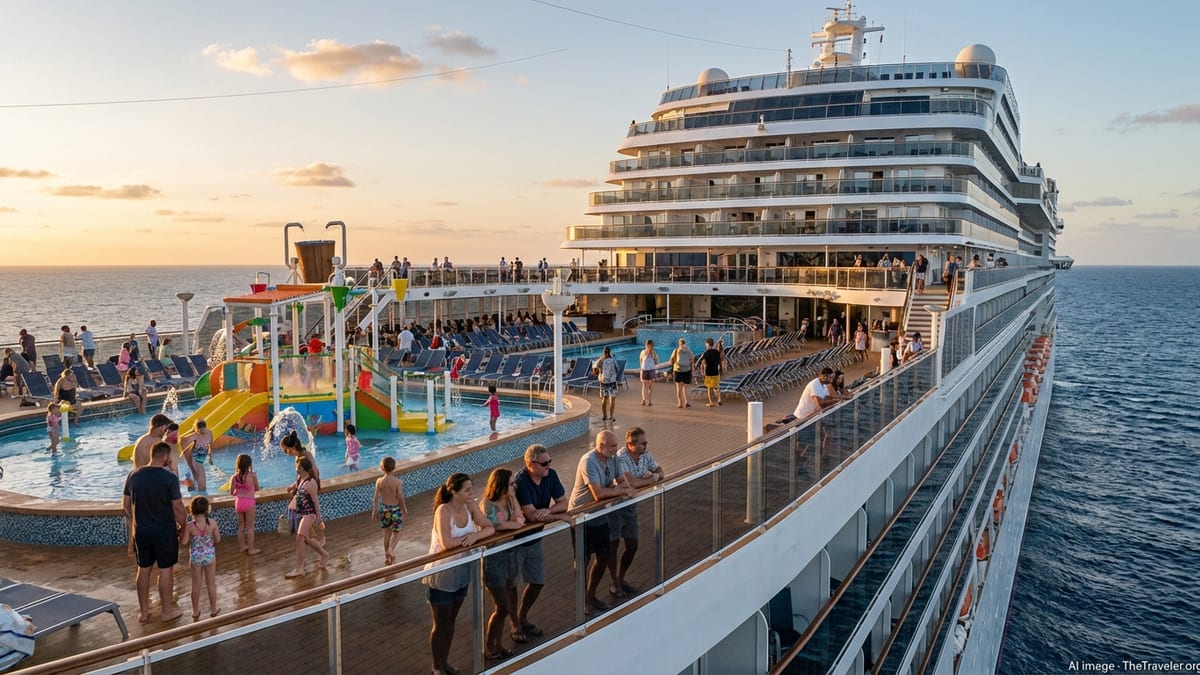
Onboard, parents will find multiple family-centric spaces, including large aquaparks with splash zones and slides, sports courts and arcades. A number of MSC ships feature dedicated family activity complexes with ropes courses, VR experiences or amusement-park-style attractions, especially on the newest hardware. MSC Seascape, for example, was recognized by travel industry observers as one of the more family-oriented ships at sea, with several thousand square feet dedicated to kids’ areas and headline attractions designed to appeal to tweens and teens as well as their parents.
From a policy standpoint, MSC welcomes children across its fleet, with infants allowed from a very young age on most itineraries, subject to minimum age rules that can vary for longer cruises. The line offers organized kids’ activities at no additional charge during standard daytime and early evening hours, while certain extended or late-night services may carry a fee. Parents can usually leave children in the kids club while they head ashore on selected port days, provided arrangements are made with staff in advance. This flexibility can be a major benefit for families wanting an adult-only shore excursion or spa visit.
Overall, MSC’s family offering is competitive with other mainstream lines, especially in terms of dedicated space and headline attractions on its newer ships. Where it differs is in its more international mix of families, the presence of European-style scheduling such as later dining and shows, and a sometimes more relaxed approach to late-night noise levels compared with strictly North American brands. For many families, these differences are part of the appeal; for others, they can require some adjustment.
Dining, Activities and Cabins for Families
Dining is a central part of the family experience on MSC. Main dining rooms and buffets are included in the fare and generally offer broad international menus, with pizza, pasta and familiar American-style dishes alongside Mediterranean specialties. Children benefit from specific kids’ menus in the main restaurants, with an emphasis on simple, recognizable options and guidance from nutrition partners for younger age groups. Parents of babies and toddlers will typically find high chairs, bottle warmers and other essentials available on request.
MSC has also developed family-focused dining concepts within its existing structure. Programs with names like “Happy Dinners” and “Fun Time Dinners” allow children to eat with their parents for part of the meal before youth staff escort them back to the kids club, or to dine independently with the club while parents enjoy a more leisurely dinner. Depending on the ship and day, these services may be included or carry modest surcharges, so families should confirm details once on board. This model can work particularly well for multigenerational groups trying to balance adult conversation with children’s shorter attention spans.
Cabin types for families range from standard inside and ocean-view rooms that can sleep three or four, to family-designated staterooms and suites that combine multiple connected cabins. Some newer MSC ships offer “cluster” cabins that can be sold together for larger families, as well as sofa beds and pull-down bunk configurations. While these layouts can be space-efficient, they may feel tight for families used to large hotel rooms, so realistic expectations and careful cabin selection are important. Booking early also improves chances of securing interconnecting rooms, which can make a big difference for families with older children or grandparents in tow.
Beyond dining and cabins, daily activities tend to skew lively and varied, which suits many families. Pool decks can be busy and energetic, especially on sea days and in warm-weather regions, with music and games running throughout much of the afternoon. Indoor spaces house trivia contests, dance classes and game shows that welcome participation from all ages. Families who like a resort atmosphere, full schedules and a sense of constant motion often thrive on MSC; families seeking quiet spaces and low-key programming may need to make more use of early mornings, shaded corners and, where available, access-controlled areas like the Yacht Club sun deck.
What MSC Offers Couples: Romance, Nightlife and the Yacht Club
Although MSC is very family-friendly, it also sells itself as a line for couples, particularly those who enjoy a cosmopolitan environment. The ships feature multiple bars and lounges, some with live bands and dance floors, others with quieter piano music or wine tastings. Late-night life tends to be lively, with many venues staying busy until midnight or later, especially on European itineraries and holiday sailings. For couples who like to dress up, enjoy cocktails and people-watch in a glamorous atrium, MSC can be an appealing option.
Evening entertainment typically revolves around theater productions that blend music, acrobatics and visual spectacle, sometimes with Broadway-style elements but often shorter and more variety-based than full-length musicals. Comedy shows, game shows and themed parties round out the offerings. On some newer ships, dedicated comedy clubs, sports bars and craft beer venues cater to North American tastes, giving couples a wider range of date-night options without leaving the ship. The overall mood is energetic rather than hushed, so couples seeking an ultra-quiet, luxury-ship ambiance might find the main public spaces busier than ideal.
For couples willing to pay a premium, the MSC Yacht Club is the brand’s signature answer to an upscale, more romantic cruise experience. This ship-within-a-ship enclave features its own restaurant, lounge, sun deck and pool, plus butler service and priority access to services across the vessel. Yacht Club cabins are typically more spacious and better appointed than standard categories, and the restricted-access environment creates a calmer refuge away from the bustle below. For couples traveling during school holidays or on heavily family-oriented itineraries, the Yacht Club can dramatically change the onboard feel.
Romantic opportunities extend beyond lounges and suites. Many MSC ships offer specialty restaurants such as steakhouses, upscale Italian venues, sushi bars and intimate seafood or French-inspired spaces. These are not included in the base fare but can provide a more refined, adult atmosphere compared with the main dining room. Couples can pair such dinners with a late stroll along the promenade or time on a quieter deck after dark, taking in sea views while much of the passenger flow concentrates around the central bars and theater.
Atmosphere: When MSC Feels More Family-Oriented or More Adult
The balance between families and couples on any MSC cruise varies by season, itinerary and ship. School holiday periods, especially in Europe and North America, tend to attract high numbers of families, with kids clubs busy and public spaces noticeably more youthful. Shorter sailings and budget-friendly promotions can also skew towards younger families looking for value, particularly when children’s fares are lower or, on select departures, effectively free when sharing a cabin with paying adults.
Outside school holidays and on longer itineraries, the demographic often shifts somewhat older, with more couples and friend groups aboard. Repositioning voyages, transatlantic crossings and off-season Mediterranean sailings commonly attract cruisers with flexible schedules, including retirees and couples without school-age children. On these sailings, kids clubs are still available but may be less crowded, and the overall noise level by day can feel more subdued, especially in indoor lounges and libraries where they exist.
Regional differences also influence atmosphere. Cruises from U.S. homeports on the newest hardware are typically geared toward a broader mix of American families and couples, with many passengers experiencing MSC for the first time. Caribbean itineraries in particular may have a high share of multigenerational family groups taking advantage of value pricing. Meanwhile, cruises in the Mediterranean can feel more European, both in passenger mix and daily rhythm, with later dining hours, more late-night activity and a strong presence of families during local school breaks.
Couples who value quiet should consider sailing during shoulder seasons, choosing longer itineraries or investing in upgraded spaces such as the Yacht Club. Families, conversely, may find that peak holiday periods give kids the best chance of making friends in their own age group and enjoying full, energetic programming in the clubs and around the pool deck. Carefully synchronizing expectations with the likely onboard demographic is one of the most effective ways to ensure MSC suits your travel style.
Service Style, Value and Potential Drawbacks
Whether you are traveling as a family or a couple, MSC’s service model and pricing structure are central to the experience. The line tends to compete aggressively on headline fares, especially in markets where it is still building brand recognition. Base prices can look very attractive compared with some North American competitors, particularly on newer ships. However, guests should be prepared for a fairly robust onboard revenue model, with extra charges for certain specialty dining, branded attractions, premium coffee and some activities.
Some travelers praise MSC for delivering good overall value, especially when they secure promotions that reduce or eliminate children’s fares, or when they are comfortable sticking to included venues and being selective about add-ons. Others find the constant upselling and additional fees frustrating. This divergence of opinion often maps to expectations: families or couples who go in expecting a resort-style, a la carte environment tend to adapt more easily than those hoping for an almost all-inclusive feel. Carefully reading what is included before sailing can help avoid disappointment.
The service experience itself can feel different from that on long-established U.S. brands. Crew members are generally attentive and hardworking, but training and language proficiency can vary, and there can be occasional inconsistencies in how policies are explained or billing issues are handled. Some guests report seamless, friendly service, while others have encountered challenges resolving onboard charges or getting clear answers to questions. These variations are not unique to MSC, but the brand’s rapid growth and international footprint can amplify them on very full sailings.
As a result, both families and couples should view MSC as a good option for those who prioritize hardware, entertainment and price over ultra-personalized service. Travelers who are highly sensitive to service hiccups or who prefer a more all-inclusive, hands-off approach may be better served by premium or luxury lines, or by purchasing higher-tier packages and cabins on MSC to simplify the onboard experience.
The Takeaway
MSC Cruises can be an excellent choice for both families and couples, but for different reasons and with different caveats. Families are drawn to the brand’s large kids clubs, water parks, family-focused dining options and frequent promotions that keep the overall cost of a cruise competitive. The international atmosphere and broad mix of food and entertainment can be especially enriching for children, giving them a glimpse of cultures beyond their own while still delivering plenty of fun.
Couples, on the other hand, may appreciate MSC’s glamorous public spaces, late-night energy and the opportunity to upgrade into more exclusive areas such as the Yacht Club. Specialty restaurants, wine bars and adults-only sun decks on select ships can create a romantic environment even when the vessel overall is busy with families. For many couples, the combination of relatively low base fares and the option to selectively splurge on premium spaces is a key part of the appeal.
However, MSC is not the perfect fit for everyone. Travelers expecting a purely quiet, boutique-style cruise may find the ships too large and lively. Guests who prefer a highly Americanized environment with minimal language variety and very standardized service might also need an adjustment period. And like many mainstream lines, MSC has a revenue-driven model that can feel heavy on extras if you are not expecting it.
The bottom line is that MSC Cruises is good for families who enjoy a bustling, activity-rich environment and value-focused pricing, and for couples who like a cosmopolitan atmosphere, late-night options and the ability to curate their own mix of included and premium experiences. By choosing the right ship, season, itinerary and cabin type, both groups can have rewarding vacations on MSC, provided they board with clear expectations and a flexible mindset.
FAQ
Q1. Is MSC Cruises better suited to families or couples overall?
MSC caters to both, but its biggest strength is as a value-oriented, family-friendly line with strong kids clubs and big-ship amenities, complemented by upscale options like the Yacht Club for couples seeking more privacy.
Q2. Are MSC ships good for young children and babies?
Yes, most MSC ships welcome infants and young children, offer kids clubs starting from preschool-age and provide baby-friendly equipment such as high chairs and cots, though availability and minimum ages can vary by itinerary.
Q3. What are MSC’s kids clubs like?
MSC’s kids clubs are age-banded, with spaces for younger children, older kids and teens, featuring supervised games, crafts, themed parties, sports and video games, all at no extra charge during core hours.
Q4. Do couples looking for a quiet experience enjoy MSC Cruises?
Couples who enjoy lively, resort-style ships often do, especially if they choose longer or off-season sailings or book into the Yacht Club; those seeking a very quiet, boutique atmosphere may find MSC too busy.
Q5. Is the MSC Yacht Club worth it for couples?
For couples who value privacy, upgraded service and a calmer environment, the Yacht Club can be worth the premium, as it provides an exclusive restaurant, lounge, pool deck and butler service separate from the main ship.
Q6. How affordable is MSC for families compared with other lines?
MSC often prices competitively, with attractive base fares and periodic promotions that reduce kids’ fares, making it appealing for value-focused families, though extras like specialty dining and some activities can add up.
Q7. Will my children find enough to do on sea days?
On newer MSC ships especially, children typically have plenty of options, including kids clubs, pools, waterslides, sports courts and arcades, along with scheduled games, competitions and family-friendly shows.
Q8. Is there a language barrier on MSC for English-speaking families or couples?
Announcements and menus are provided in multiple languages, including English, and most guest-facing crew speak functional English, though the multilingual atmosphere can feel different from strictly North American brands.
Q9. Are there adults-only areas on MSC ships?
Many MSC ships feature quieter sun decks or spa thermal areas that are effectively adults-only, and Yacht Club spaces are restricted to booked guests, giving couples peaceful places away from the main family pools.
Q10. How can I choose the best MSC cruise for my situation?
Families generally do best on newer ships and school-holiday or summer sailings with lots of kids onboard, while couples often prefer shoulder seasons, longer itineraries and upgraded accommodations such as balcony cabins or the Yacht Club.