

Nestled among orchards, vineyards, and mountain passes in South Africa’s Western Cape, the small town of Wolseley feels a world away from the headlines that often define national discussions about safety. Yet any trip to South Africa requires thoughtful preparation, and Wolseley is no exception. Understanding the broader security picture, the realities of rural crime, and the simple habits that keep visitors safe will help you decide whether Wolseley is right for you and how to enjoy it with confidence.
Where Wolseley Fits in South Africa’s Safety Picture
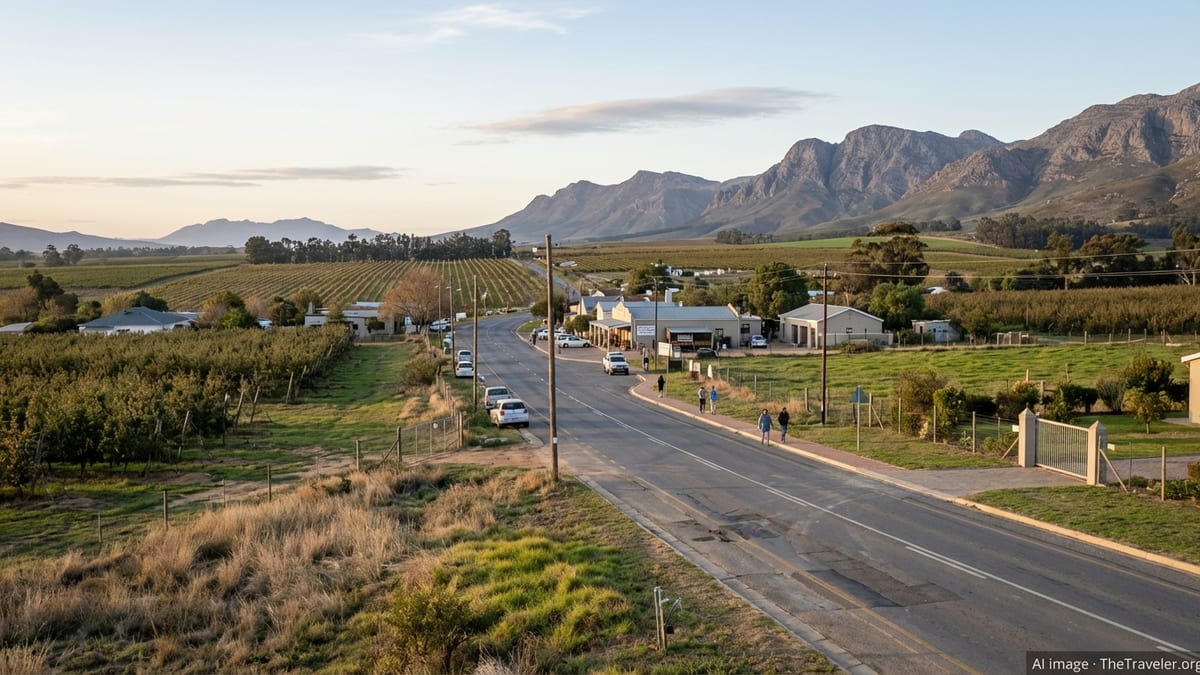
Wolseley is a farming town in the Witzenberg municipality of the Western Cape, a couple of hours by road from Cape Town. It is known for fruit farming, wine estates, and quiet countryside guesthouses rather than big-city nightlife. That rural character does not mean crime is nonexistent, but it does shape the way most visitors experience the town. Travelers typically come for slow travel, wine tasting, and outdoor activities, often staying on farms or small lodges with controlled access and local hosts who know the area well.
To assess safety in Wolseley, it helps to start with the national context. Major Western governments currently advise exercising a high degree of caution throughout South Africa due to high levels of violent and property crime. These advisories emphasize extra vigilance in city centers, townships, and isolated areas, especially at night, and recommend secure accommodation and careful planning of road travel. Wolseley, by contrast, is a small rural community without the dense urban environment where much of the country’s violent crime is concentrated, but it is still subject to the same national risk factors that shape life across South Africa.
Crime patterns in the Western Cape are highly localized. Serious violence is often concentrated in specific urban neighborhoods and transport hubs, while many rural and tourist-focused areas report far lower levels of day-to-day crime affecting visitors. Police and community safety operations in smaller towns tend to focus on issues like farm theft, burglary, domestic violence, and occasional armed incidents, rather than the sustained gang activity seen in Cape Town’s most troubled districts. For travelers, this means that the overall country advisory can sound more alarming than the reality on the ground in a place like Wolseley, provided you take sensible precautions.
It is also worth considering how visitors actually encounter local communities. Most travelers use Wolseley as a base to explore the Breede River Valley, scenic mountain passes, and surrounding wine routes. The experiences they report tend to emphasize friendly locals, slow rhythms, and the feeling of being in a small town where people notice newcomers. This social fabric, combined with the limited number of entry points and the economic importance of agriculture and tourism, can contribute to an environment that feels more manageable than large cities, even though risks still exist.
Crime and Security Realities in and Around Wolseley
Reliable, town-level crime statistics for Wolseley are not always easy to access in real time, but reports from local news and police enforcement operations provide some context. Like many South African rural towns, Wolseley has had police actions targeting weapons, drugs, and theft, including arrests for illegal firearms and violent offenses in recent years. These operations underline that serious crime can and does occur in parts of the surrounding community, particularly in lower-income areas and informal settlements on the town’s fringes.
At the same time, it is important to distinguish between residential crime that affects local communities and the risks typically faced by short-term visitors. Many of the most serious incidents recorded in regional media involve disputes between local residents, criminal networks, or targeted attacks rather than random violence against tourists. Travelers who stay in secure guesthouses, move around primarily by car, and avoid high-risk areas at night generally face a lower level of exposure than people living in vulnerable neighborhoods.
The more common issues that visitors might encounter in and around Wolseley tend to mirror the broader Western Cape pattern: opportunistic theft, vehicle break-ins, and the risk of being in the wrong place at the wrong time if tensions flare. Rural roads can see incidents of drunk driving, speeding, and occasional armed robberies, especially after dark. Farm properties and secluded accommodation can be attractive targets if perimeter security is weak and access is not controlled, which is why many local guesthouses invest in fencing, alarms, and dogs, and maintain close ties with neighborhood watch groups.
Travelers should also be aware that policing resources in small towns can be stretched and that emergency response times may be longer than in major cities. While the South African Police Service maintains a presence in Wolseley and the region, support often depends on cooperation between local stations, private security, and community patrols. For visitors, the practical takeaway is to choose accommodation with clear security measures, heed local advice on which areas to avoid, and reduce the need to be out on the roads late at night.
How Safe Wolseley Feels on the Ground
Objective crime data tells only part of the story. Equally important is how the town feels when you are walking its streets or driving its backroads. Travelers accustomed to large cities in South Africa often find Wolseley more relaxed. The pace of life is slower, and you are more likely to see families walking, children cycling, and farmworkers heading to and from the fields than crowded taxi ranks and nightlife districts. During daylight hours on the main streets, many visitors feel comfortable moving around on foot for short distances, particularly near shops and services.
The atmosphere changes somewhat after dark, which is true in much of South Africa. As evening falls, streets become quieter, and the relative isolation of a small town can increase vulnerability. Most travelers choose to dine at their accommodation, at a nearby wine estate, or at a restaurant they can reach by car and avoid walking long distances at night. Local hosts are usually very clear about what feels safe and what does not, and their guidance is one of the most valuable safety resources available to visitors.
Neighborhoods around Wolseley are mixed in terms of income and infrastructure. Some residential areas are neat, with well-maintained homes and gardens, while others display signs of socioeconomic strain: informal housing, fewer streetlights, and limited services. Tourists rarely have a reason to wander into the most disadvantaged parts of town, and it is wise to avoid them unless you are with a trusted local guide or visiting for a specific purpose. As with many South African destinations, the contrast between secure, tourist-friendly pockets and struggling communities can be stark within a relatively small geographic area.
Another dimension of perceived safety is the extent of visible security. In Wolseley and similar Western Cape towns, you are likely to see perimeter walls, gates, security signs, and sometimes patrol vehicles from private security firms. For first-time visitors, this infrastructure can be unsettling, but it is part of the way communities manage risk. Rather than viewing it as a sign that you should not be there, treat it as reassurance that local businesses and homeowners take safety seriously and have designed systems to keep both residents and guests secure.
Road Safety and Getting Around
Most travelers reach Wolseley by car from Cape Town or other Western Cape towns, and road safety is a crucial element of any risk assessment. National and provincial roads in this part of South Africa are generally in good physical condition, offering scenic drives through mountains and farmland. However, the country consistently records high rates of road fatalities, driven by factors such as speeding, drunk driving, poor adherence to traffic rules, and occasional livestock or pedestrians on rural roads.
Driving during daylight hours is strongly recommended whenever possible. In the Western Cape, visibility is better, and you have more time to spot hazards like potholes, slow-moving farm vehicles, or animals crossing. At night, risks increase: some stretches of road are poorly lit or not lit at all, reaction times shorten, and criminal activity such as opportunistic roadside robberies becomes more plausible. If you must travel after dark, keep doors locked, windows closed, and valuables out of sight, and plan your route to avoid isolated backroads where you would feel exposed if you had to stop.
Within Wolseley itself, distances are short, and traffic volumes are modest. Many visitors combine self-driving with transfers arranged by their accommodation, especially for activities that involve wine tasting or late dinners. Public transport options are limited and informal, and minibus taxis, which serve local residents, are not generally recommended for foreign tourists due to concerns about vehicle maintenance, overloading, and erratic driving standards. Using your own rental car or pre-booked private transfers offers the greatest control over your movements and environment.
Plan fuel stops in advance, particularly if you are pairing Wolseley with more remote passes or side trips into less populated areas. Avoid stopping on the side of the road in lonely stretches unless absolutely necessary. If something does go wrong with your vehicle, contact roadside assistance or your rental company from a safe place inside the locked car and, if possible, wait in a more populated or well-lit area. When parking in town or at trailheads and viewpoints, do not leave bags or visible valuables in the car, even for a quick photo stop.
Outdoor Activities, Farms, and Nature-Based Risks
One of Wolseley’s main draws is its proximity to outdoor experiences: farm stays, river activities, hiking in nearby mountain ranges, and scenic drives through passes such as Bainskloof. These activities carry their own set of risks, some related to crime and others to the natural environment. South African authorities and hiking organizations have noted incidents of muggings and attacks on hikers in certain popular natural areas near big cities, which is why security advice for outdoor activities has become more prominent in recent years.
In and around Wolseley, most outdoor experiences take place on private farmland, wine estates, and managed nature areas where access is monitored. Guided activities, whether a vineyard walk, tractor ride, or hike on a marked trail, are typically considered low risk when basic precautions are taken. It is still advisable to avoid hiking alone, to let your accommodation know your plans and expected return time, and to carry a charged phone, water, and weather-appropriate clothing. Early morning and late evening outings in remote spots should be approached with extra caution, both because of visibility and because very quiet times can increase vulnerability to opportunistic crime.
Farm stays often feel like self-contained worlds, and in many respects they are. Hosts usually live on-site or nearby, know their staff well, and work closely with neighbors and farm watches. At night, gates may be locked, dogs may patrol, and alarm systems act as an additional layer of security. As a guest, you can contribute by following property rules on locking doors and windows, not inviting unvetted visitors in, and asking before exploring beyond signposted areas. Treating your accommodation as a secure base and returning there by nightfall is one of the simplest ways to stay safe.
Environmental risks should not be overlooked. Hot summers bring strong sun exposure and the possibility of rapidly changing weather in the mountains, while winter can see heavy rain and slippery roads. River levels and currents can vary, and there may be steep drop-offs or unstable ground after storms. These are typical outdoor travel considerations rather than unique dangers, but they matter in a region where emergency services may be some distance away. Respecting local guidance, staying on designated paths, and avoiding alcohol before swimming or adventure activities will reduce the likelihood of accidents.
Choosing Safe Accommodation and Neighborhoods
Accommodation choice is one of the most effective ways to shape your safety experience in Wolseley. Many visitors opt for established guesthouses, farm cottages, and small hotels that explicitly mention security features such as gated access, secure parking, alarm systems, and safes in rooms. Properties catering to international travelers are generally well accustomed to safety questions and can explain how they manage access, what neighborhood watch or farm watch structures exist, and how guests can contact staff in an emergency.
Before booking, read recent reviews from other travelers, paying attention to comments on security, location, and how comfortable guests felt coming and going. While reviews are subjective, consistent remarks about feeling safe, helpful staff, and good communication on local conditions can be reassuring. If safety is a particular concern for you, consider reaching out to the property directly with specific questions about nighttime access, parking, and any areas they recommend guests avoid.
Within and around Wolseley, properties located slightly outside the town center on working farms or wine estates often provide a sense of seclusion and controlled access that many visitors appreciate. These settings usually have a small number of guests, limited entry points, and a tight-knit team of staff and owners who know who is on the property at any given time. In-town guesthouses can also be very secure, especially if they are in residential streets with active neighbors and visible security measures. The key is to avoid isolated, unreviewed, or poorly lit properties with little information available about ownership or operations.
Once you have checked in, take a few minutes to orient yourself: locate exits, understand how gates and alarms work, store passports and valuables in a safe if provided, and save emergency numbers in your phone. Ask staff for practical advice such as whether it is sensible to walk to nearby restaurants after dark, where to refuel safely, and which routes they recommend for day trips. These local insights will help you adapt general safety advice to the reality of Wolseley and its surroundings.
Practical Safety Tips Specific to Wolseley
While many safety principles in Wolseley mirror those for South Africa as a whole, adapting them to the local context will make your stay both safer and more relaxed. Start by planning your daily rhythm around daylight. Schedule drives, sightseeing, and errands during daylight hours, and aim to be back at your accommodation or at a trusted restaurant before it gets very dark. This approach reduces exposure to both road hazards and the small but real possibility of criminal activity on quieter streets.
When you are out and about in town, keep valuables low-key. Carry only what you need for that outing, and leave spare cards, passports, and large amounts of cash locked away. Use a cross-body bag that zips closed, avoid flashing expensive cameras or jewelry in busy or less familiar areas, and keep your phone secure when not using it. These habits, while simple, significantly reduce the risk of opportunistic theft, which is the type of crime most visitors are statistically more likely to encounter if they encounter any at all.
If you plan to visit nearby communities, farm stalls, or smaller attractions, it is wise to seek advice from your hosts about which routes and stops are most advisable. They may suggest specific petrol stations, recommend particular viewpoints, or tell you which turnoffs to avoid because they pass through areas with higher social tension or limited police presence. This is not about creating fear, but about using local knowledge to move confidently rather than blindly following a navigation app that may prioritize distance over safety.
Finally, maintain situational awareness without becoming anxious. Pay attention to your surroundings, note who is nearby when you use an ATM or load your car, and trust your instincts if a situation feels off. In a small town like Wolseley, this might mean changing direction if a street seems unusually deserted, deciding to pay at the pump rather than walk into a shop late at night, or asking staff to walk you to your car. These are small adjustments that respect the local context while allowing you to enjoy the region’s scenery and hospitality.
The Takeaway
So, is Wolseley safe to visit? For most travelers who approach their trip with realistic expectations and sensible habits, the answer is that it can be a rewarding and relatively low-stress destination within a country that undeniably struggles with crime. Wolseley sits in a rural, agriculturally focused part of the Western Cape where serious violence is present but heavily concentrated in particular pockets, and where visitors typically interact with better-resourced, tourist-oriented spaces.
National travel advisories for South Africa highlight substantial risks, especially in major cities, townships, and at night on the roads. Those warnings should not be ignored when planning a visit to Wolseley, but they also should not obscure the local nuances. By choosing secure accommodation, respecting daylight hours for most movements, using a car or private transfers rather than informal public transport, and following the advice of your hosts about where to go and when, you significantly reduce the likelihood of problems.
Ultimately, Wolseley offers many of the reasons people fall in love with the Western Cape: mountain backdrops, vineyards and orchards, and a slower pace of life. Traveling here is not risk-free, but few worthwhile journeys are. If you are prepared to stay alert, plan ahead, and adapt your behavior to local conditions, there is every reason to expect that your visit will be memorable for its landscapes and hospitality rather than its security concerns.
FAQ
Q1. Is Wolseley generally safe for tourists?
Wolseley is not crime-free, but most tourists who stay in secure accommodation, travel mainly by car, and avoid high-risk areas and late-night wandering experience no serious problems.
Q2. What kinds of crime should visitors to Wolseley be most aware of?
Visitors are more likely to encounter opportunistic theft, such as bag or vehicle break-ins, than targeted violent crime, especially if they keep valuables out of sight and follow basic precautions.
Q3. Is it safe to walk around Wolseley at night?
Walking short, familiar routes in well-lit central areas may feel acceptable, but it is generally safer to avoid walking long distances at night and to use a car or transfers instead.
Q4. Are farm stays and guesthouses around Wolseley secure?
Most established farm stays and guesthouses prioritize security with gated access, alarms, and secure parking. Choosing reputable properties and following house rules goes a long way toward staying safe.
Q5. How safe are the roads to and from Wolseley?
Major roads to Wolseley are usually in good condition, but South Africa has high accident rates. Driving in daylight, observing speed limits, and avoiding isolated stops at night are important safeguards.
Q6. Can I use public transport or minibus taxis in the area?
Public transport and minibus taxis primarily serve local residents and are not recommended for most visitors due to variable safety and vehicle standards. A rental car or pre-arranged transfers are safer options.
Q7. Is it safe to hike and explore the countryside near Wolseley?
Guided or well-planned hikes on known routes, especially on private land or managed trails, are generally safe. Avoid hiking alone, tell someone your plans, and prioritize outings during daylight.
Q8. What should solo travelers keep in mind when visiting Wolseley?
Solo travelers should be extra careful about walking after dark, sharing their itinerary with a trusted contact, and choosing accommodation with attentive hosts who can give tailored safety advice.
Q9. Are there particular areas in or around Wolseley that tourists should avoid?
As in many South African towns, some poorer neighborhoods and informal settlements experience higher crime levels. Ask your hosts which areas to avoid and stick to recommended routes and venues.
Q10. What emergency numbers should I know when staying in Wolseley?
From a mobile phone in South Africa, 112 connects to general emergency services, while 10111 reaches the police. Your accommodation can also provide local contacts for medical care and private security if needed.