

More news on this day
Air travel across Italy is expected to face significant disruption on Friday, April 10, 2026, as a coordinated four hour national strike by air traffic control and technical personnel coincides with one of the spring travel season’s busiest afternoons.
Get the latest news straight to your inbox!
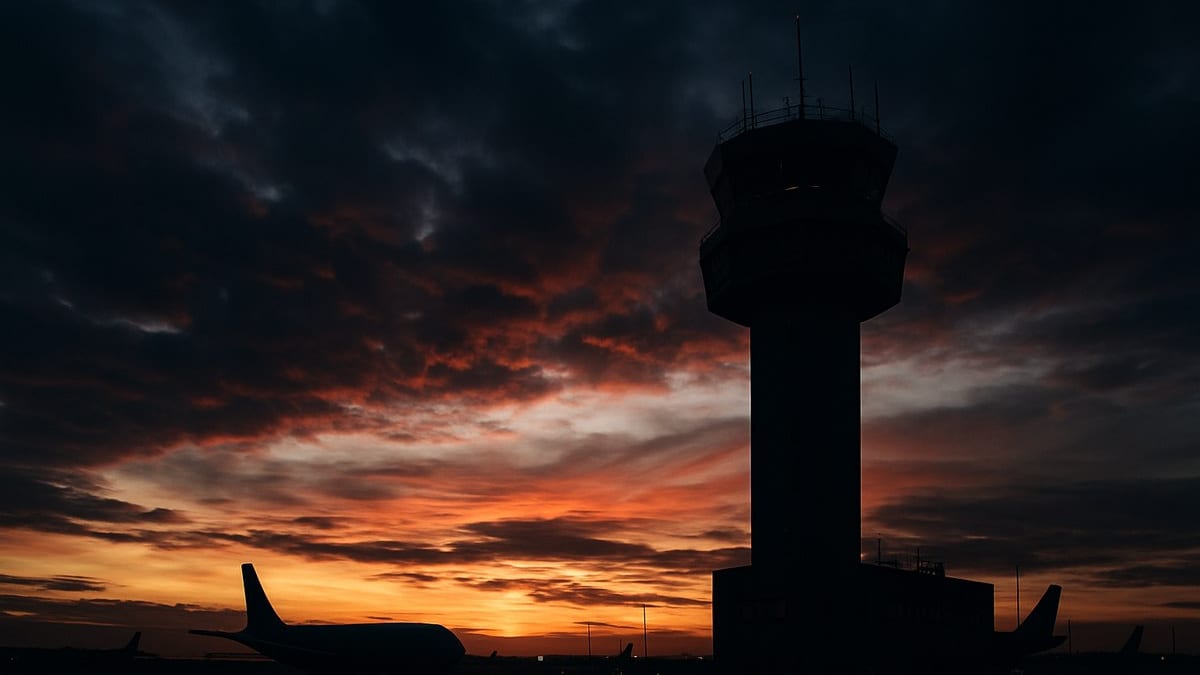
Nationwide Walkout Targets Air Traffic Control Core
Italy’s official strike calendar and notices from aviation operators indicate that staff at ENAV, the state controlled provider of air traffic management services, will stage a work stoppage from 13:00 to 17:00 local time on April 10. The action is planned to include both controllers and technical specialists who support radar, navigation, and communications systems, a combination that typically reduces available airspace capacity rather than halting operations outright.
Trade union groupings representing ENAV and associated company Techno Sky have framed the protest around stalled collective bargaining, workload concerns, and longer term staffing levels. Publicly available information points to a broader pattern of industrial unrest in Italy’s transport sector in early 2026, with aviation workers adding their demands to a calendar that also features walkouts in rail, health care, and municipal transport later in the month.
Because the strike centers on air traffic management rather than a single airline, the impact is expected to be distributed across the full range of carriers using Italian airspace and airports. ITA Airways, low cost operators, and foreign long haul airlines are all exposed to possible delays, reroutings, and cancellations for services scheduled during the affected window.
Eurocontrol guidance on Italian industrial action notes that unions must provide advance notice and that authorities can impose minimum service levels for essential flights. Even with these safeguards, previous air traffic control strikes in Italy have led to hundreds of disrupted flights when controller availability is reduced and flow restrictions are issued across the network.
Protected Time Bands and Expected Disruption Pattern
Government rules require airlines and aviation service providers in Italy to maintain operations during two protected time bands on strike days, from 07:00 to 10:00 and from 18:00 to 21:00. The April 10 strike has been scheduled deliberately outside these windows, meaning the four hour stoppage falls squarely in the early afternoon, when leisure and business traffic often peaks on short haul European routes.
Travel advisories compiled by safety consultancies and travel risk firms suggest that the greatest disruption risk applies to flights planned to depart or arrive between about 11:30 and 19:00. Services that are airborne as the strike begins may face holding patterns or diversions if capacity is restricted, while rotations scheduled shortly after 17:00 can experience knock on delays as aircraft and crews reposition.
Morning departures before the industrial action begins, and late evening services after 19:00, are generally expected to operate closer to schedule, although residual delays are possible as airlines work through backlogs. Italian regulations also mandate protection for certain categories of flights, such as some island services and medical or emergency operations, which may be prioritized when available capacity is tight.
Recent days have already seen strain at major hubs such as Rome Fiumicino and Milan Malpensa, where tracking data shows elevated levels of delays tied to staffing pressures and schedule congestion. The April 10 strike is therefore likely to compound an already fragile operating environment, with small schedule changes potentially cascading across tightly timed afternoon banks of flights.
Major Hubs and Regional Airports Braced for Impact
Rome Fiumicino, Italy’s primary long haul gateway, and Milan Malpensa, the country’s main northern hub, are expected to absorb a large share of the disruption, given their role in connecting domestic, European, and intercontinental traffic. Recent reporting from passenger rights and travel industry outlets has highlighted how even limited walkouts at these airports can ripple through connecting banks, affecting travelers bound for destinations across Europe, North America, Africa, and Asia.
Operators at regional airports are also preparing for schedule changes. Olbia Costa Smeralda Airport, serving Sardinia, has publicly confirmed the April 10 ENAV strike window and is advising travelers to verify flight status with their airlines before heading to the terminal. Similar notices are appearing at other medium sized airports that rely on a mix of domestic and holiday routes and that may see a high proportion of their daily schedule concentrated in the affected time frame.
Carrier specific adjustments are still being finalized, but observers expect Italy based airlines and low cost operators to preemptively thin some afternoon schedules or consolidate frequencies where possible. When air traffic control capacity is constrained, airlines typically prioritize routes with strong demand, limited alternatives, or operational significance, which can leave secondary city pairs more vulnerable to cancellations.
International services that only touch Italian airspace without landing may also be subject to flow regulations and rerouting on April 10. This can lengthen flight times and create missed connections for travelers whose journeys originate or terminate outside Italy but cross its skies during the four hour stoppage.
Guidance for Travelers Holding April 10 Bookings
Travel management companies, airline advisories, and consumer advocacy organizations are urging anyone with flights to, from, or through Italy on April 10 to monitor their bookings closely over the coming days. Several global carriers have already introduced flexible travel waivers covering Italy for April 9 and 10, allowing eligible passengers to change their plans without standard rebooking fees.
Experts recommend that travelers scheduled to fly during the core strike window consider adjusting their itineraries to early morning or later evening where possible, especially on short haul routes that have multiple daily frequencies. Those with fixed departure times are advised to arrive at the airport earlier than usual, keep airline apps and notifications active, and be prepared for gate changes or last minute schedule revisions.
While consumer protection rules in Europe entitle passengers to care and, in some cases, compensation during major disruptions, entitlements can vary depending on whether an airline cancels proactively, delays a flight, or reroutes via an alternative hub. Traveler advocacy sites emphasize the importance of keeping boarding passes, delay notifications, and receipts for additional expenses in case post trip claims are pursued.
Travelers making critical connections, such as onward long haul segments or cruises, may wish to build additional buffer time into their plans or explore insurance options that explicitly cover strike related interruption. Business travel programs, in particular, are reassessing risk exposure for meetings and events scheduled in Italy around the strike date.
Part of a Broader Wave of Italian Transport Unrest
The April 10 aviation strike forms part of a wider pattern of industrial action across Italy’s transport and public service sectors in 2026. National and regional calendars list upcoming walkouts in the rail network, local public transport, health care, and media, reflecting broad labor unease over pay, staffing, and working conditions as travel demand continues to rebound.
Previous aviation strikes earlier in the year and in 2025 have demonstrated how even short, tightly defined actions can lead to broader operational strain when layered onto already busy skies and airports. Each episode has prompted calls from business associations and traveler groups for more predictable strike frameworks and improved minimum service guarantees during peak travel periods.
For now, publicly available advisories stress that the April 10 action remains limited in time and scope, with no indication of an extended shutdown beyond the four hour window. Nonetheless, the strike underscores the vulnerability of modern air travel to targeted disruptions at critical nodes, and it is prompting airlines, airports, and travelers alike to revisit contingency plans as the European spring and summer travel season accelerates.
As the strike approaches, the key variables will be the final scale of participation among air traffic and technical staff, the extent of any preemptive airline schedule reshaping, and the capacity of Italy’s aviation system to recover quickly once the four hour stoppage ends.