


More news on this day
Italy is translating its celebrated cuisine into record tourism revenues, with new data indicating that food and wine experiences are now one of the country’s most powerful advantages over European rivals and a key driver of post‑pandemic travel growth.
Get the latest news straight to your inbox!
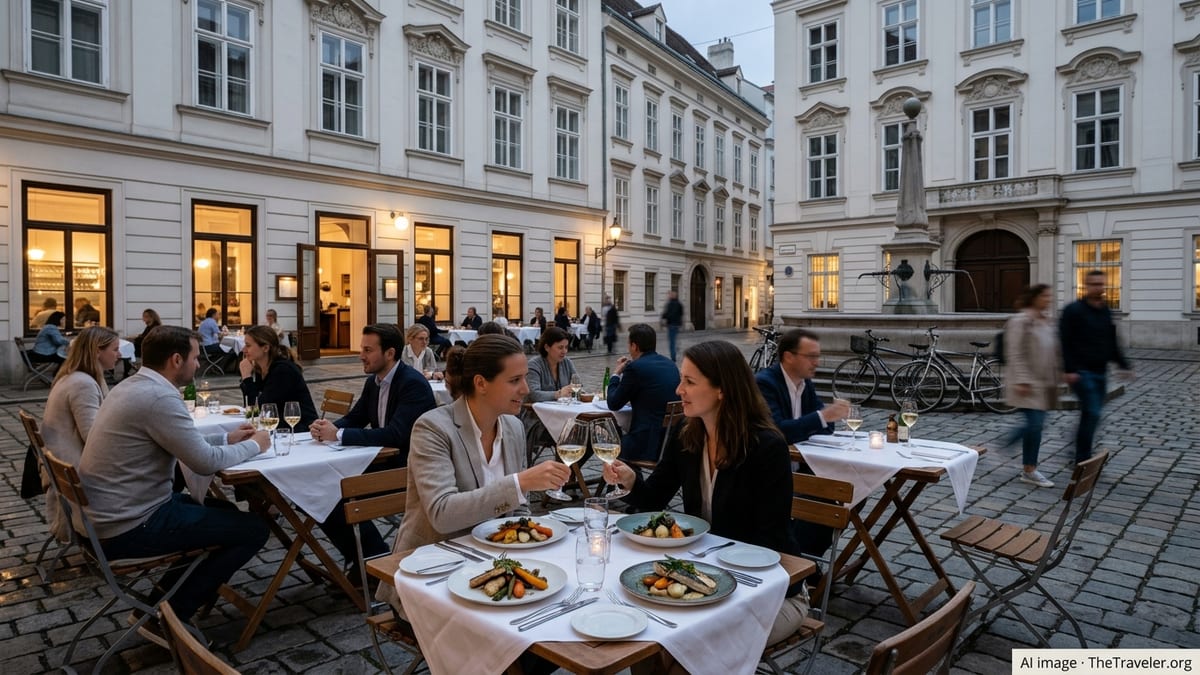
From Global Gastronomy Darling To Revenue Engine
Italy has long ranked among the world’s top gastronomic destinations, frequently appearing in international surveys just behind overall leaders such as France in perceived culinary prestige. That long held No. 2 positioning appears to be converting into concrete economic gains as travelers increasingly choose destinations based on what is on the table as much as what is in the museums.
According to publicly available tourism statistics, Italy welcomed more than 68 million international visitors in 2024, placing it among the world’s most visited countries. A growing share of that spending is flowing directly into the food and beverage economy, with inbound tourists prioritizing restaurant meals, markets and specialty products over traditional souvenir shopping.
Italian market research on food and wine tourism reports a double digit rise in demand for gastronomic experiences in recent years, with cooking classes, vineyard visits and guided tastings now standard features of itineraries. Analysts describe this as a shift from passive consumption to “experience based” travel, where the search for authentic regional cuisine is often the primary reason to book a trip.
Industry groups tracking the agri food sector estimate that tourism related food spending, including meals, tastings and purchases of local specialties, contributes tens of billions of euros annually to Italy’s wider food system. This spending is increasingly seen as a competitive differentiator within Europe, where many destinations can offer beaches or historic centers but fewer can rival the depth and diversity of Italian regional cooking.
Food And Wine Take The Lead In Tourist Budgets
Studies by Italian agricultural and tourism organizations show that food has become the single largest item in many holiday budgets. Analyses of visitor spending suggest that roughly one third of total tourism outlay in Italy is now devoted to eating and drinking, ranging from trattoria dinners to gourmet souvenirs and wine purchased directly from producers.
Research focusing on international visitors highlights particularly strong interest from long haul markets. Surveys conducted among United States travelers indicate that a clear majority cite Italian cuisine and wine as a primary, and often decisive, motivation for choosing Italy over other European destinations. In some cases food and wine rank ahead of traditional drivers such as art, history and fashion in influencing the decision to book.
This appetite is reshaping what visitors do once they arrive. Tour operators and destination marketing bodies report sustained growth in bookings for food tours, vineyard stays and market based city walks, even in shoulder seasons. Smaller towns and rural districts that would once have struggled to attract international guests are drawing steady traffic thanks to local products such as truffles, olive oil or heritage cheeses.
The ripple effect reaches beyond restaurants. Retailers specializing in high quality Italian products, from pasta and canned tomatoes to cured meats and craft spirits, are seeing higher per capita spending from tourists who seek to recreate their travel meals at home. Analysts note that this pattern is particularly strong among North American and Northern European visitors, who arrive with detailed wish lists shaped by television, social media and food media coverage.
Authentic Flavours And Rural Tourism Give Italy An Edge
While many European countries promote local cuisine, Italy’s advantage lies in its dense lattice of regional food traditions and the perception of authenticity attached to them. National tourism materials emphasize that every region, city and often individual valley has its own canon of recipes and protected products, from mountain cheeses to coastal seafood stews. This granular diversity allows destinations to position themselves with distinctive culinary identities rather than relying on a single national stereotype.
Rural tourism is central to this strategy. Official statistics show that Italy now counts close to 26,000 agritourism farms, almost double the figure a decade ago, with millions of overnight stays recorded annually. More than half of these guests are foreign visitors who combine accommodation with farm based experiences such as tastings, harvest participation or short cooking workshops focused on traditional dishes.
Economic studies of agritourism estimate that the segment generates well over one billion euros in annual production value and is growing faster than many conventional rural activities. Regions with strong wine and olive oil brands, including Tuscany, Piedmont and parts of the south, are using culinary routes and designated food and wine districts to spread visitor flows into lesser known villages and landscapes.
The concept of authenticity is not only about geography. Travelers show mounting interest in sustainable and low impact dining, from organic vineyards to small scale dairies. Academic work on tourism and environmental policy in Italy suggests that destinations perceived as protecting landscapes and traditional practices can attract higher spending visitors who are willing to travel outside the classic city triangle in search of “real” flavours.
Data Underscore A Structural Shift In European Competition
Within Europe, Italy’s performance is part of a broader recovery in tourism, but available figures suggest it is outpacing many peers when gastronomy is taken into account. European Union data for 2024 show that nights spent in tourist accommodation across the bloc have risen compared with 2023, yet Italy stands out for the intensity of its food and wine offer and the scale of related spending.
Analysts point to several indicators of this outperformance. Italy remains among the top European destinations for overall tourism receipts, and national agricultural accounts highlight continued growth in high value sectors such as wine and fresh produce that are closely tied to culinary travel. Industry reports also emphasize that Italy is one of the few major tourism economies where rural and secondary destinations are gaining share relative to the largest cities, a trend linked directly to food focused itineraries.
Commentary from market intelligence firms on culinary tourism describes Italy as a reference market for experiential travel, noting that international demand for regional gastronomy trails and hands on experiences is expanding more rapidly there than in many neighboring countries. Private sector forecasts for the Italy culinary tourism market between 2026 and 2035 project sustained annual growth, supported by both repeat visitors and new demographics such as younger long haul travelers.
Some European competitors are investing in similar strategies, including themed food regions and upgraded rural hospitality, but Italy benefits from decades of accumulated reputation and a critical mass of producers, protected designations and well known dishes. That combination, observers suggest, makes it easier for the country to convert a historic No. 2 gastronomy ranking into contemporary market share.
Outlook: Premium Experiences And Year Round Demand
Looking ahead, tourism and agrifood analysts expect Italy’s gastronomic appeal to push the sector further upmarket. High spending segments such as luxury, wellness and niche sports tourism are increasingly bundled with tailored dining and wine experiences, from chef led tastings after private museum visits to vineyard side spa retreats.
National and regional plans for tourism development place continued emphasis on food and wine experiences, often in connection with sustainability goals and the promotion of lesser known destinations. This policy direction is expected to reinforce investments in small and medium sized producers, hospitality training and digital storytelling aimed at international audiences.
There are, however, debates around how to balance growth with authenticity. Some Italian commentators warn that the popularity of certain dishes and destinations risks encouraging standardization or overtourism in historic centers. In response, more communities are experimenting with capacity management, dispersal strategies and clear labelling of origin to protect both residents’ quality of life and the integrity of local recipes.
For now, the surge in gastronomic tourism appears to be giving Italy a clear edge over its European rivals, transforming its renowned flavours into a decisive economic asset. As global travelers continue to organize entire journeys around what they eat and drink, the country’s ability to pair iconic dishes with genuine regional diversity is likely to keep its culinary star shining brightly on the tourism map.