

More news on this day
The UK’s Foreign, Commonwealth and Development Office has tightened its travel advice for Mexico, adding the state of Jalisco to a growing list of regions where it now warns against all but essential travel amid a surge in cartel violence and politically charged unrest sweeping multiple states.
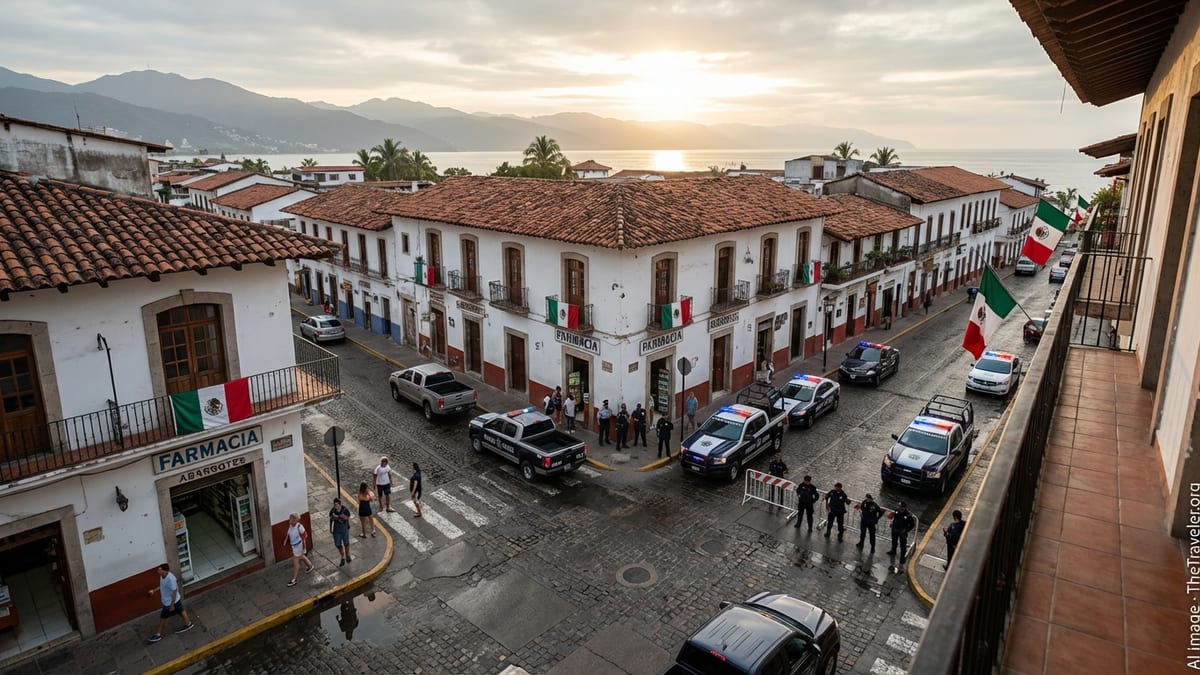
FCDO Widens Mexico Warning as Jalisco Security Crisis Deepens
The latest update from the Foreign, Commonwealth and Development Office follows days of violent unrest triggered by the killing of Nemesio “El Mencho” Oseguera Cervantes, the powerful leader of the Jalisco New Generation Cartel. Security operations and cartel reprisals have rippled across the country, with Jalisco emerging as one of the epicentres of road blockades, arson attacks and armed confrontations.
British officials now advise against all but essential travel to Jalisco, aligning it more closely with long‑standing no‑go guidance for states such as Sinaloa, Guerrero, Colima, Michoacán, Tamaulipas and Zacatecas. The move reflects concerns that the current wave of violence is straining already fragile local institutions in regions where criminal groups exert substantial territorial control.
While Mexican authorities insist that tourist hubs such as Puerto Vallarta and Guadalajara have largely returned to normal operations, the FCDO is taking a more cautious line, stressing that the situation remains volatile and that further flare‑ups cannot be ruled out. Tourists are being urged to check with airlines, hotels and tour operators before travelling and to follow local security instructions if already in affected areas.
Political Turbulence and Cartel Power Converge
The escalation in Jalisco comes against the backdrop of a broader national struggle over political power, public security and control of lucrative trafficking routes. Over the past two electoral cycles, Mexico has recorded dozens of assassinations of candidates and hundreds of attacks on office‑seekers, local officials and party activists, with violence concentrating in states where organised crime is deeply embedded in municipal politics.
Analysts note that Jalisco, Michoacán, Guerrero and Guanajuato have become emblematic of the way criminal organisations pressure local governments through intimidation, targeted killings and control of key economic sectors. The recent riots and coordinated attacks following the military operation against El Mencho underscored the capacity of cartels to paralyse entire regions, block highways and disrupt airports within hours.
This convergence of political contestation and criminal firepower has created what security experts describe as “hybrid zones” where state authority is contested street by street. For foreign ministries such as the UK’s, that reality is now feeding directly into higher‑tier travel warnings that treat many Mexican states less as conventional tourist destinations and more as active conflict environments.
Tourism Hubs Caught Between Normality and Risk
One of the immediate flashpoints for travellers has been the Pacific resort city of Puerto Vallarta, in Jalisco, where tourists were briefly ordered to shelter in hotels as gunmen set vehicles ablaze and clashes erupted near key access roads. Flights in and out of Puerto Vallarta and Guadalajara were disrupted as airlines assessed the security of airport approaches and surrounding highways.
In recent days, local authorities and tourism boards have worked to project an image of calm, emphasising that flights have resumed and that beaches, hotels and restaurants are operating normally under a visibly reinforced security presence. Industry groups say bookings have dipped but not collapsed, with many visitors opting to continue their holidays while closely monitoring official advice.
However, the FCDO’s decision to effectively place Jalisco in the same risk category as some of Mexico’s most violent states highlights a growing disconnect between local efforts to preserve the tourism economy and foreign governments’ appetite for risk. Travel agents in the UK and Europe report a surge in customer questions, last‑minute itinerary changes and inquiries about shifting trips to alternative destinations such as Baja California Sur or the Caribbean coast.
Layered Travel Warnings and Confused Messaging
The UK move adds another layer to a complex global advisory landscape. The United States already designates several Mexican states, including Sinaloa, Colima, Guerrero, Michoacán and Tamaulipas, as “Do Not Travel” due to crime and kidnapping, while urging heightened caution in many others. Canada, meanwhile, advises against non‑essential travel to parts of Jalisco near the Michoacán border and flags widespread organised crime in a broad swathe of the country.
For travellers, the patchwork can be confusing. One government may single out specific municipalities or highways, another may focus on border zones or interior corridors, and local authorities often stress that resort areas remain insulated from most violence. The rapid shift in Jalisco’s status in the UK system, from a state where popular coastal resorts were broadly accessible to one now effectively red‑listed, illustrates how quickly assessments can change in response to a single destabilising event.
Industry bodies are urging holidaymakers to pay close attention not only to national‑level advisories but also to localised alerts from embassies and consulates, which can recommend sheltering in place, avoiding road travel or staying away from specific neighbourhoods. Travel insurers, for their part, are closely scrutinising the new language in official guidance, as higher warning levels can affect coverage for cancellations and emergency evacuations.
What Travellers Should Consider Now
In practical terms, the FCDO’s latest update does not ban British travellers from entering Jalisco or other high‑risk Mexican states, but it significantly raises the bar for what is considered a justified trip. Tourists who choose to travel against official advice may find that standard insurance policies will not cover trip disruption, medical evacuation or repatriation linked to security incidents.
Security experts recommend that anyone with imminent plans to visit Mexico review their itineraries with a focus on state‑by‑state conditions, avoiding overland travel through regions flagged for cartel activity, political unrest or recent security operations. They also stress the value of registering contact details with consular services, monitoring local media and being prepared to adjust plans rapidly if the situation deteriorates.
For Mexico’s tourism sector, the addition of Jalisco to the FCDO’s informal “no‑go” list is a stark reminder of its vulnerability to sudden shocks. As authorities in Mexico City and state capitals seek to restore confidence ahead of the 2026 World Cup and a busy peak travel calendar, the challenge will be convincing both foreign governments and individual visitors that the country’s flagship destinations can remain open for business in an era of chronic insecurity.