

Japan has never been more popular or more expensive, and for many travelers the biggest question is simple: how much does a trip really cost in 2026? With hotel rates rising in major cities, a weak yen that still favors many foreign currencies, and transport choices that range from overnight buses to premium Shinkansen seats, budgeting smartly matters more than ever. This guide breaks down typical costs for accommodation, food, transport and sightseeing so you can build a realistic daily budget for Japan without nasty surprises.
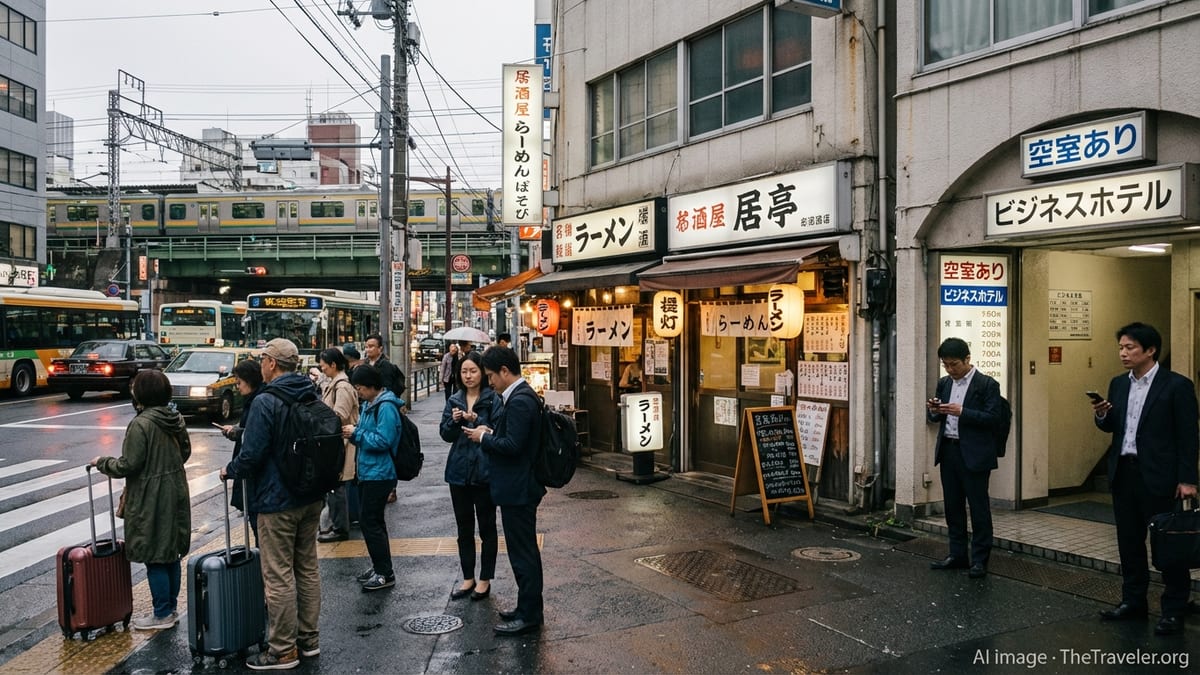
What Travelers Spend in Japan Today
Japan’s tourism recovery has moved past rebound and into record territory. Official figures from the Japan Tourism Agency and other government sources show that international visitor spending reached record levels in 2024 and continued to climb in 2025, with per person trip spending commonly reported in the low to mid two hundred thousand yen range. That usually covers flights within Asia or to Japan’s regional hubs, accommodation, transport and daily expenses on the ground. While averages do not reflect every traveler, they confirm that Japan is no longer a rock bottom bargain but still offers strong value, especially for visitors arriving with stronger currencies.
Most of that money goes on accommodation, food and shopping. Recent breakdowns put lodging as the single biggest category, typically taking around a third of total trip budgets, with food and drink not far behind. Shopping, once dominant for big-spending tour groups, has softened somewhat as visitors shift toward experiences and practical purchases such as transport passes or regional activities. For individual travelers, this usually translates to hotel costs that feel closer to Western European capitals, combined with surprisingly affordable everyday meals if you embrace local options like noodle counters and convenience stores.
At street level the picture can feel contradictory. In districts around Tokyo Station, Shinjuku and Shibuya, average hotel rates have more than doubled compared with pre-pandemic years according to multiple business and financial outlets, reflecting intense demand and limited central space. Yet in smaller cities and rural regions, prices remain much more moderate, and the weak yen continues to cushion costs for visitors paying in dollars, euros or some Asian currencies. As a result, the overall daily budget you need depends heavily on where you spend your nights and how much you move around.
Another important trend is that tourists are becoming more budget conscious. Travel industry reporting notes that per person spending has inched up only slightly even as overall tourism revenue spikes, implying that visitors are stretching their yen further. Many travelers are trading luxury shopping for mid-range hotels, using regional rail passes instead of long-distance Shinkansen for every leg, and seeking free or low-cost attractions outside the most saturated spots. Building flexibility into your own plan will help you adapt to local price variations while still enjoying the full Japan experience.
Accommodation Costs: From Capsules to Ryokan
Accommodation is likely to be your single largest expense in Japan. Prices vary sharply between megacities such as Tokyo, Osaka and Kyoto and second-tier cities or regional areas, and also swing by season, with cherry blossom weeks and autumn foliage fetching premium rates. Broadly, you can think of three bands: budget dorms and capsules, mid-range business hotels and guesthouses, and traditional inns or higher-end international hotels in popular districts.
At the budget end, shared hostel dorm beds and basic capsule hotels in big cities often start around the equivalent of twenty to thirty US dollars per night in less central locations. In very central Tokyo wards or Kyoto’s most famous neighborhoods the floor is higher, and last-minute bookings during peak seasons can push prices significantly above that. Single private rooms in simple business hotels or small guesthouses tend to run from roughly fifty to one hundred dollars per night depending on date and neighborhood, with older business hotels near station areas sometimes offering better rates than trendier districts.
Mid-range travelers typically gravitate toward modern business hotel chains clustered around major railway stations. Rooms in this category are compact but clean, usually with private bathrooms, strong Wi-Fi and often breakfast add-ons. Nightly rates in Tokyo and Kyoto frequently land somewhere between one hundred and one hundred eighty dollars, with Osaka and Nagoya usually a little cheaper and smaller cities cheaper again. In particularly busy times, such as cherry blossom season along the so-called Golden Route from Tokyo to Osaka via Kyoto and Hiroshima, even modest properties can price much higher, so booking months in advance pays off.
Traditional ryokan inns, hot spring resorts and upscale international hotels add another tier. Simple regional ryokan with shared baths and two meals included can sometimes be found for under one hundred fifty dollars per person in lesser-known areas, but famous hot spring towns and luxury properties in Kyoto or Hakone often charge several hundred dollars per person per night, especially when elaborate kaiseki dinners are included. These stays can be highlight experiences and, because they bundle meals and onsen access, they sometimes represent better value than the sticker price suggests. When calculating your trip budget, build in at least one or two splurge nights if these experiences are important to you.
Food and Drink: Eating Well on Any Budget
Japan can feel extraordinarily affordable when you focus on everyday eating. While fine dining in cities such as Tokyo or Osaka can cost as much as or more than in other global capitals, routine meals are often much cheaper than visitors expect. The key is to embrace local habits, seek out chains and independent spots favored by commuters, and use convenience stores and supermarkets strategically. With that approach, even in 2026 it is still possible to eat well for a modest daily outlay.
For breakfast and quick snacks, convenience stores such as those you see on every corner sell onigiri rice balls, sandwiches, salads and hot drinks at prices that often land in the range of just a few dollars per item. Many hotels offer simple buffet breakfasts at an additional fee that may or may not be worth it depending on how much you eat. Bakeries inside train stations and department store food halls are another good option, often providing fresh pastries and bento boxes ideal for train journeys without blowing your budget.
Lunch and dinner can be as inexpensive or as extravagant as you choose. At the budget end, bowls of ramen, udon or soba, set meals at family restaurants, beef bowls and curry plates typically cost only several hundred yen, roughly the equivalent of five to ten US dollars at current exchange rates. Conveyor-belt sushi chains and standing sushi counters offer fresh fish at prices that surprise visitors used to high sushi prices at home. Craft beer bars, cocktails in trendy neighborhoods and specialty coffee add up much more quickly, so drinkers should allocate additional funds beyond basic meal costs.
Those chasing special culinary experiences, from multi-course kaiseki dinners to premium yakiniku and omakase sushi, can easily spend several hundred dollars on a single meal. Reservations are increasingly essential at well-known venues, and service fees or cover charges may apply at some bars and izakaya. A smart strategy is to anchor your budget with primarily modestly priced meals and then plan one or two higher-end experiences in each major city. That way, your overall daily food cost stays under control while you still sample the full range of Japanese cuisine.
Getting Around: Transport and Rail Pass Choices
Transport in Japan is efficient, clean and on time, but it is not uniformly cheap. The country’s famous bullet trains carry travelers swiftly between cities, while dense metro and suburban rail networks move millions through urban areas every day. For visitors, the main decisions involve how often to use premium rail, whether to buy regional passes, and how to mix public transport with taxis or occasional domestic flights.
Within cities, public transport is relatively affordable. In Tokyo, Osaka and other large urban areas, a single metro or local train ride typically costs just a few hundred yen depending on distance, with day passes available in some cities. Buses are common in cities such as Kyoto where many tourist sites are not directly on rail lines. Payment is straightforward with prepaid IC cards that work across many regions and can be tapped at station gates and on buses, or with increasingly common contactless bank card options on newer systems.
For intercity travel, the Shinkansen is fast and convenient but represents a meaningful chunk of your budget. A one-way ride on popular routes such as Tokyo to Kyoto or Osaka costs the equivalent of well over one hundred dollars in ordinary reserved class, with prices increasing for premium Green Car seats. Rail operators continue to adjust prices and passes; regional passes offered by different Japan Rail companies provide unlimited travel within designated areas over several days, and some of these have seen modest price increases as of 2025. These passes can represent good value if you are covering long distances in a short time, but they are less economical for slower-paced itineraries.
Budget-conscious travelers often mix transport modes. Long-distance highway buses are slower than Shinkansen services but significantly cheaper, with overnight routes allowing you to save on both travel and accommodation costs. Low-cost carriers operating domestic flights can also be competitive on price, especially on routes less efficiently served by rail. Taxis are safe and plentiful but expensive for long distances, and with the exception of late-night travel in areas with limited rail, most visitors rely on them only for short hops with luggage or when traveling in small groups who can share the fare.
Daily Budget Ranges: Backpacker to Comfortable Splurge
Given the wide range of choices in accommodation, food and transport, what do realistic daily budgets look like in 2026? Exact figures will vary by exchange rate and travel style, but it is possible to sketch broad ranges for different traveler profiles. The amounts below are intended as rough guidance for on-the-ground costs per person, excluding international airfare and major shopping sprees.
Backpackers staying in hostel dorms or capsule hotels, eating primarily at convenience stores and inexpensive local spots, and limiting Shinkansen use to one or two key journeys might manage on a daily budget in the ballpark of fifty to eighty US dollars. That assumes careful planning, use of highway buses where practical, and a focus on free or low-cost attractions such as temples with modest entry fees, public parks and neighborhood wandering. It also assumes little nightlife and minimal spending on souvenirs.
Mid-range travelers seeking private en suite rooms in business hotels or mid-range guesthouses, enjoying a mix of casual restaurants and occasional nicer meals, and making regular use of Shinkansen or regional rail passes should plan for something closer to one hundred twenty to two hundred dollars per day. This range allows for comfortable yet compact hotels in central areas, paid museum entries, maybe a day trip or two and some bar or cafe visits. It does not, however, stretch to frequent luxury dining or suite-level hotel rooms in top-tier properties.
Those aiming for a more comfortable splurge, with frequent dining at high-end restaurants, stays in upscale hotels or premium ryokan and liberal use of fastest trains and domestic flights, will need a larger cushion. For this style of travel, daily on-the-ground budgets of two hundred fifty dollars and up per person are realistic, and can climb far higher if you prioritize exclusive experiences. As tourism numbers climb and some cities introduce or increase tourist taxes on accommodations, such as recent moves in Kyoto, building a buffer into even generous budgets is wise to avoid stress once you arrive.
Seasonal and Regional Price Differences
When and where you travel in Japan can easily shift your daily costs by a significant margin. Spring cherry blossom season and late autumn foliage weeks remain the most sought-after times to visit, especially along the main Tokyo to Osaka corridor and in classic destinations such as Kyoto, Nara and Hiroshima. During these windows, hotel rooms sell out months in advance, and properties that might be mid-range in price during quieter times suddenly feel like luxury purchases. If your schedule is fixed around peak seasons, commit to early bookings and accept higher nightly rates as part of the trade-off for iconic scenery.
By contrast, shoulder seasons and winter (excluding the busy New Year holiday and ski resort peaks) can offer noticeably better value. In cities such as Tokyo and Osaka, business patterns also affect pricing, with midweek stays sometimes more expensive in certain districts due to domestic business travel. Regional cities, coastal towns and rural areas that sit off the main tourist path often remain far cheaper year-round, both for accommodation and for food. As national and local authorities encourage visitors to spread out beyond a few overcrowded hotspots, more deals and promotions appear in these less visited regions.
Weather also matters. Summer in much of Japan is hot and humid, which discourages some international tourists but coincides with school holidays and popular festivals, creating spikes in both domestic and inbound travel. Mountain and coastal destinations might see steady demand and higher prices, while some big-city hotels lower rates slightly outside festival periods. Ski resorts in Hokkaido and northern Honshu can be expensive in peak winter, with packages bundling lifts, lodging and meals, but quieter in early and late season windows when snowfall is less guaranteed.
Public policies are another variable. As overtourism concerns grow, some municipalities have introduced or increased accommodation or bathing taxes for visitors. Recent moves in Kyoto, for example, have raised nightly per person taxes for higher-priced hotels and ryokan, channeling revenue into preservation and infrastructure. While these surcharges are modest compared with overall hotel bills, they are yet another reminder that advertised rates are not the final amount you pay and should be included in your working budget.
Saving Money Without Sacrificing Experience
Managing costs in Japan does not mean giving up on the experiences that drew you there in the first place. With thoughtful planning, you can keep daily budgets under control while still seeing multiple regions, enjoying standout meals and staying in memorable places at least part of the time. The goal is to identify where spending adds the most value for you personally and where it does not, then allocate accordingly.
One of the most powerful savings strategies is to slow down. Moving cities every day or two quickly accumulates transport costs, especially if you rely heavily on Shinkansen and airport transfers. Focusing on fewer bases and taking day trips by local train or bus instead can cut your per day expenses while giving you a deeper sense of each place. Likewise, choosing a slightly less central hotel near a major station rather than in a famous nightlife district can trim your accommodation bill without adding much to your daily commute time.
Food offers another rich area for optimization. Make everyday meals inexpensive and enjoyable by using convenience stores, set-menu lunch deals and casual chains, then channel the money you save into a small number of special meals. Many high-end restaurants offer more affordable lunch menus compared with dinner, providing a way to sample top-level cuisine for a fraction of the cost. Avoiding high mark-ups on drinks, especially in touristy nightlife zones, will help protect your budget more than almost any other single choice.
Finally, keep a close eye on small but cumulative expenses. Coin lockers, luggage delivery services, premium observation decks, theme parks and frequent cafe stops all add up. None of these are necessarily bad uses of money, but being deliberate about them matters in a country where payment is frictionless and contactless cards and apps make every purchase feel easy. Consider setting a soft daily cap for incidental spending and tracking it loosely during your trip so that you can adjust on the fly before costs spiral beyond your expectations.
The Takeaway
Japan in 2026 is a study in contrasts: a record-breaking tourism boom driven in part by a soft currency, alongside clear signs of rising costs in accommodation, transport and certain attractions. For travelers, the message is not that Japan has become unaffordable, but that success now requires more intentional budgeting. With realistic expectations and a willingness to adapt your habits to local patterns, you can still craft an enriching itinerary that balances value and comfort.
If you are willing to stay in compact rooms, eat where commuters eat, mix rail with buses and explore beyond the busiest city centers, a modest daily budget is achievable. If, instead, you dream of top-tier ryokan, frequent tasting menus and Green Car rail travel, you will need to budget generously. Most visitors will fall somewhere between these extremes, using savings in some areas to fund one or two unforgettable splurges.
Above all, remember that yen figures and daily cost estimates only tell part of the story. The real measure of value is how you feel about the experiences you gain for the money you spend. Japan’s blend of deep tradition, cutting-edge urban life and everyday kindness remains as compelling as ever. With thoughtful planning around hotels, food and transport, your daily budget can support not only a smooth trip, but one that feels worth every yen.
FAQ
Q1. How much should I budget per day for a trip to Japan?
Most visitors can expect to spend roughly the equivalent of one hundred twenty to two hundred US dollars per person per day on accommodation, food, local transport and typical sightseeing, excluding international flights and major shopping. Very frugal backpackers may manage on less, while travelers seeking luxury hotels and fine dining will need to budget more.
Q2. Are hotels in Japan really more expensive now?
Average hotel rates, especially in central Tokyo, Osaka and Kyoto, have risen noticeably compared with pre-pandemic years due to strong demand and limited room supply. Prices are highest during peak seasons and in the most famous districts, but more modest options still exist in business areas, suburbs and regional cities.
Q3. Is it cheaper to use a Japan Rail Pass or buy individual tickets?
Value depends entirely on your itinerary. If you plan multiple long Shinkansen trips within a short period, regional or nationwide passes can still offer savings even after recent price adjustments. For slower trips focused on one region or primarily on local trains, individual tickets or IC card payments are often cheaper.
Q4. How much does food typically cost per day in Japan?
Travelers who rely on convenience stores, noodle shops and casual restaurants can comfortably eat for the equivalent of twenty to thirty dollars per day. Adding daily cafe visits, alcohol or occasional higher-end meals might raise that to forty to sixty dollars or more depending on your tastes.
Q5. When is the cheapest time of year to visit Japan?
Generally, the most affordable times are outside cherry blossom and autumn foliage seasons, major national holidays and peak ski periods. Late autumn after the foliage peak, much of winter outside New Year, and shoulder months between spring and summer can offer better hotel availability and lower prices.
Q6. Are taxis in Japan expensive?
Taxis are safe and reliable but relatively expensive compared with public transport. Short rides with luggage or late at night can be worthwhile, especially when splitting costs among two or three people, but frequent long-distance taxi use will quickly inflate your daily budget.
Q7. Can I pay for most things with a credit card?
In major cities and at larger businesses such as hotels, chain restaurants and department stores, credit and debit cards are widely accepted. Smaller shops, rural areas and some older establishments may still prefer cash, so carrying some yen and using an IC card for transport and small purchases is advisable.
Q8. How far in advance should I book hotels to get better prices?
For trips during peak seasons or in very popular cities such as Kyoto, booking several months in advance is recommended to secure reasonable rates and preferred locations. Outside those periods, booking a few weeks ahead often balances price and flexibility, although last-minute deals can sometimes appear in less busy areas.
Q9. Do I need to tip in Japan?
Tipping is not part of normal practice in Japan and can even cause confusion in some settings. Service charges are sometimes included at higher-end restaurants and hotels, but otherwise prices you see are generally what you pay, which simplifies budgeting for meals and services.
Q10. How much cash should I carry each day?
The ideal amount varies by travel style, but many visitors feel comfortable carrying enough yen to cover one day’s expected meals, local transport and small purchases, plus a cushion for places that do not accept cards. Access to ATMs that serve foreign cards is fairly widespread in convenience stores and post offices, so you can top up as needed without holding large amounts of cash.