


More news on this day
Thousands of passengers were left stranded at Nairobi’s Jomo Kenyatta International Airport on Monday as an aviation workers’ strike stretched into a second day, disrupting Kenya’s busiest air hub and triggering widespread delays and cancellations across the country.
Get the latest news straight to your inbox!
Go-slow escalates into major disruption at Kenya’s main gateway
Publicly available reports indicate that the latest disruption began on Sunday, August 30, 2026, when workers linked to the Kenya Aviation Workers Union launched a go-slow at Jomo Kenyatta International Airport (JKIA) and other key facilities, including Moi International Airport in Mombasa. Ground operations quickly slowed, with aircraft held on the apron and departure queues building inside the terminals.
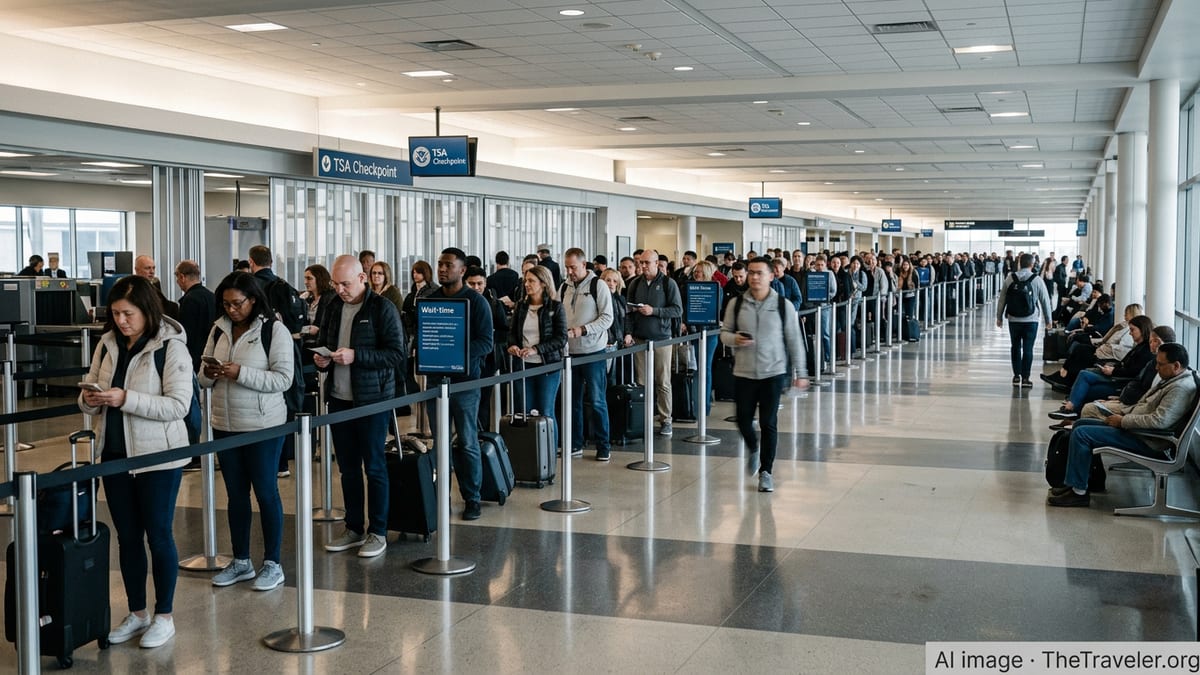
Coverage from local and international outlets describes scenes of crowded check-in halls, passengers sleeping on terminal seats and floors, and long lines at security and ticket desks. Hundreds of travelers reportedly spent the night inside JKIA after evening and overnight departures were either pushed back repeatedly or taken off the boards altogether as airlines struggled to secure crews and clear backlogs. ([pulse.co.ke](https://www.pulse.co.ke/story/kawu-strike-causes-flight-disruptions-at-jkia-moi-airport-2026083106541014603?utm_source=openai))
By Monday morning, August 31, the situation had intensified into a full-blown strike affecting a wide range of staff, from ground handling teams and cargo workers to support personnel and some air traffic control and airport authority employees. Media accounts suggest that access to certain staff areas and terminal zones was restricted at times, further slowing passenger processing and aircraft turnaround. ([the-star.co.ke](https://the-star.co.ke/news/2026-08-30-chaos-at-jkia-as-kaa-kcaa-staff-begin-go-slow?utm_source=openai))
Travelers scheduled to depart on early morning flights reported waiting for hours with limited information, while arriving passengers found themselves held on board or diverted as operators weighed whether they could safely and efficiently disembark and handle luggage at JKIA and other affected airports.
Thousands of passengers face delays, cancellations and overnight stays
International newswires estimate that thousands of passengers have been affected by the industrial action at Kenya’s main aviation gateway. Flight tracking data cited in regional media show waves of delayed departures and arrivals on Monday, with some services pushed back more than six hours and others scrubbed entirely as airlines adjusted schedules. ([internazionale.it](https://www.internazionale.it/ultime-notizie-reuters/2026/08/31/kenya-airport-staff-strike-delays-thousands-of-passengers?utm_source=openai))
Kenya Airways, the national carrier, issued a public notice on Monday warning of significant disruption to its operations at JKIA. According to published coverage, the airline flagged delays of more than six hours on some routes and advised customers to travel to the airport only once their flight status was confirmed. The carrier also indicated that change fees were being waived for impacted passengers who wished to reschedule. ([citizen.digital](https://citizen.digital/article/kenya-airways-announces-6-hour-flight-delays-after-aviation-workers-strike-n389333?utm_source=openai))
Other regional and international airlines serving Nairobi have reportedly adopted a mix of delays, consolidations and outright cancellations. Coverage from aviation-focused outlets highlights examples of services between Nairobi and Kigali being canceled due to air traffic control constraints and uncertainty over ground handling support, while domestic links have also been subject to late-notice changes. ([aviationtoday.in](https://aviationtoday.in/civilaviation/airlines/kenya-aviation-workers-resume-strike-causing-delays-and-cancellations-at-nairobis-jkia/?utm_source=openai))
For many travelers, the immediate consequence has been an unplanned layover inside the terminal. Local media describe families with young children sleeping in waiting areas, business travelers missing connections and tourists reworking itineraries on the fly as they search for updated information from airline desks and mobile apps. Some airlines have reportedly arranged hotel accommodation and transfers for those stranded overnight, but capacity has been limited relative to the scale of the disruption. ([pulse.co.ke](https://www.pulse.co.ke/story/kawu-strike-causes-flight-disruptions-at-jkia-moi-airport-2026083106541014603?utm_source=openai))
Union grievances over pay, contracts and working conditions
Behind the latest shutdown lies a protracted labor dispute involving aviation workers and multiple state-linked aviation agencies. Statements and documents referenced in local coverage indicate that the Kenya Aviation Workers Union has been pressing for the conclusion of a long-running collective bargaining agreement and improved working conditions for unionisable staff at entities including the Kenya Civil Aviation Authority and the Kenya Airports Authority. ([internazionale.it](https://www.internazionale.it/ultime-notizie-reuters/2026/08/31/kenya-airport-staff-strike-delays-thousands-of-passengers?utm_source=openai))
Union representatives have previously raised concerns over pay scales, benefits and staffing levels, arguing that front-line personnel have faced rising workloads without commensurate compensation. In earlier episodes this year, workers launched strikes and go-slows over similar issues, temporarily paralyzing traffic at JKIA before returning to work following short-term arrangements. Industry publications note that some of those grievances, particularly around the implementation of agreed benefits, remain unresolved. ([theaviator.co.ug](https://theaviator.co.ug/THE_AVIATOR_AFRICA_ISSUE_30_2026.pdf?utm_source=openai))
The current action appears to build on a formal strike notice issued in February 2026, which warned of possible walkouts if negotiations stalled. While management agencies and the union have held intermittent talks since then, media reports suggest that progress on a permanent deal has been slow, contributing to recurring flashpoints like the one now unfolding at Kenya’s busiest airport. ([jkiairport.com](https://jkiairport.com/wp-content/uploads/2026/02/KAWU-Strike-Notice-on-Feb-9-Announcing-Upcoming-JKIA-Workers-Strike-Copy.pdf?utm_source=openai))
Public statements cited by international broadcasters indicate that airport authorities are working with airlines and aviation agencies to keep limited operations running and to manage crowding in terminals. However, union leaders maintain that without a durable resolution to the underlying labor disputes, further disruptions cannot be ruled out even once the current stand-off eases. ([amp.dw.com](https://amp.dw.com/en/kenya-passengers-stranded-amid-airport-staff-strike/a-78570644?utm_source=openai))
Ripple effects on regional travel and Kenya’s aviation reputation
JKIA serves as East Africa’s primary hub for both passenger and cargo traffic, and the latest strike has quickly generated knock-on effects beyond Kenya’s borders. Regional carriers that rely on Nairobi as a connecting gateway have been forced to adjust networks, with some rerouting passengers through alternative hubs or suspending certain rotations altogether, according to aviation industry reporting. ([aviationtoday.in](https://aviationtoday.in/civilaviation/airlines/kenya-aviation-workers-resume-strike-causing-delays-and-cancellations-at-nairobis-jkia/?utm_source=openai))
Freight operations have also been affected, with slower cargo handling and potential backlogs for export-oriented shipments. Previous stoppages at JKIA have raised concerns among horticulture exporters who depend on daily flights to move flowers and fresh produce to European markets, and analysts cited in sector-focused publications have warned that repeated episodes of labor unrest could undermine Kenya’s reputation as a reliable logistics base. ([theaviator.co.ug](https://theaviator.co.ug/THE_AVIATOR_AFRICA_ISSUE_30_2026.pdf?utm_source=openai))
For travelers, the uncertainty has translated into missed connections, unexpected expenses and heightened anxiety around future itineraries involving Nairobi. Commentators in travel industry forums note that while labor disputes are a global phenomenon, repeated strikes at a single hub can prompt airlines and passengers to consider alternative routings where possible, especially on discretionary leisure and business travel.
Tourism operators and travel agents are closely watching developments, particularly with high season approaching for safari and beach holidays. Industry statements from previous disruption cycles have urged stakeholders to prioritize swift, negotiated solutions in order to restore confidence among international visitors planning trips to Kenya and the wider region. ([atta.travel](https://atta.travel/static/7d185bc3-2042-4b13-8546caaf1dea6e95/KATA-Statement-on-Flight-Disruptions-11-September-2024.pdf?utm_source=openai))
What stranded passengers and future travelers can expect
Travel advisories circulating through airlines, local media and online platforms are urging passengers booked through JKIA to monitor flight status frequently and to keep contact details updated with their carriers for real-time notifications. Kenya Airways has encouraged customers to reschedule without penalty if they wish to avoid the current period of disruption, while also signaling that teams are working to reduce the backlog as staffing allows. ([citizen.digital](https://citizen.digital/article/kenya-airways-announces-6-hour-flight-delays-after-aviation-workers-strike-n389333?utm_source=openai))
Airport authorities have publicly emphasized efforts to coordinate with airlines, security agencies and ground service providers to manage queues, prioritize vulnerable passengers and maintain basic services while the strike continues. Travelers already at the airport are being advised, through media reports and posted notices, to remain in close touch with their airline desks for updates on boarding times, rebooking options and any available accommodation arrangements. ([amp.dw.com](https://amp.dw.com/en/kenya-passengers-stranded-amid-airport-staff-strike/a-78570644?utm_source=openai))
For those planning future journeys, analysts suggest leaving extra connection time on itineraries involving JKIA, especially for long-haul flights, until the labor situation stabilizes. Trip planners also recommend ensuring that travel insurance policies explicitly cover delays and cancellations related to industrial action, a clause that can vary between providers and policy types.
Negotiations between aviation workers and the relevant authorities are reported to be ongoing, though no firm timeline has been publicly set for a resolution. Until a comprehensive agreement is reached and confidence restored, JKIA’s latest strike underscores the vulnerability of even the region’s most important airports to labor disputes and highlights the importance of contingency planning for travelers crossing through Nairobi.
Reuters: Kenya airport staff strike delays thousands of passengers
Citizen Digital: Kenya Airways announces 6-hour flight delays
Nairobi News: Hundreds spend nights on seats over ongoing aviation workers’ strike