

More news on this day
Travel between East Africa and the United States is poised for a significant shake-up as Kenya Airways and JetBlue launch a new codeshare partnership designed to streamline journeys for African travelers across a wide swath of the US domestic network.
Get the latest news straight to your inbox!
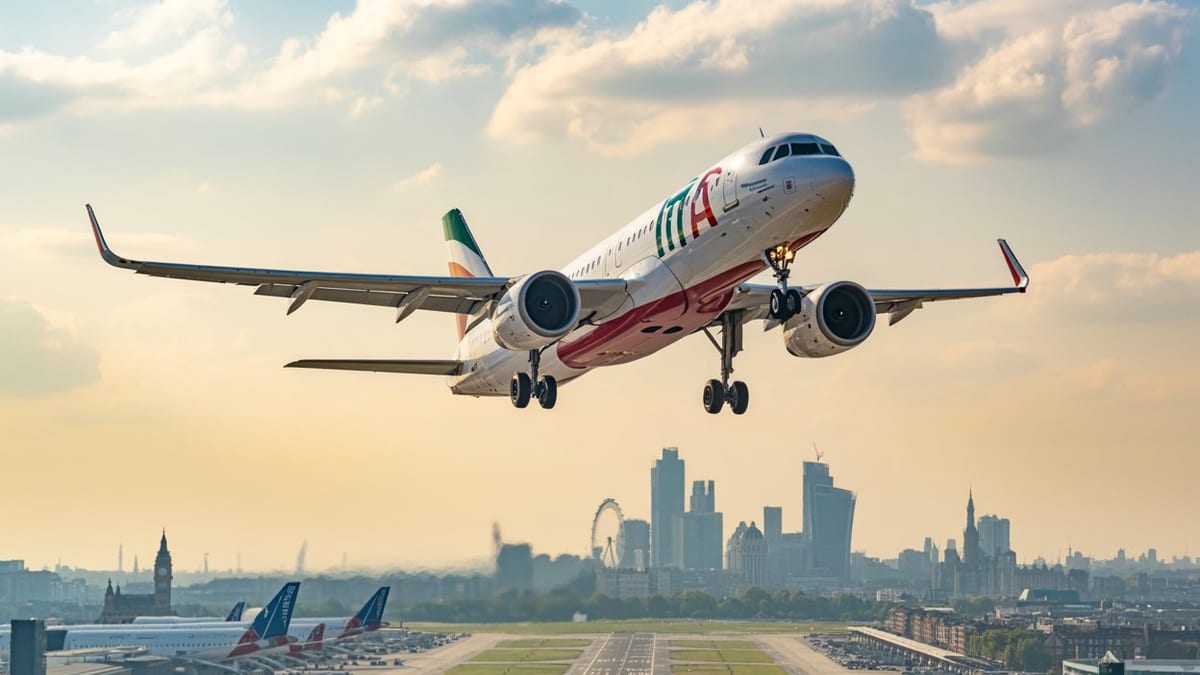
Image by Travel And Tour World
A New Transatlantic Bridge for African Travelers
The newly announced agreement, described as a unilateral codeshare, allows Kenya Airways to place its flight code on a series of JetBlue-operated routes departing from New York’s John F. Kennedy International Airport. Publicly available information from the airlines indicates that the deal covers key US markets including Los Angeles, San Francisco, Orlando, Chicago, Phoenix, Atlanta, Fort Lauderdale, West Palm Beach, Raleigh-Durham and San Juan.
The partnership sits on top of Kenya Airways’ existing nonstop service between Nairobi and New York JFK, which operates several times per week and remains the only direct link between East Africa and the United States. By tying that long-haul flight into JetBlue’s substantial domestic and Caribbean footprint, the move effectively transforms Nairobi into a more powerful African gateway for US-based passengers and the African diaspora.
Reports indicate that the codeshare is already live for bookings, meaning travelers can purchase single itineraries that combine Kenya Airways’ Nairobi–New York leg with onward JetBlue flights to secondary and leisure destinations across the United States.
Industry observers view the timing as significant, coming as Kenya Airways continues to rebuild its network and deepen partnerships with a range of international airlines to strengthen its long-haul offering.
How the Codeshare Works for US–Africa Journeys
Under the unilateral structure, Kenya Airways markets and sells seats under its own code on selected JetBlue-operated flights, while JetBlue continues to operate those services using its aircraft, crews and in-flight product. For passengers, the practical impact is the ability to book a multi-sector journey on a single ticket, check baggage through from origin to final destination and benefit from coordinated connection times at New York JFK.
For example, a traveler flying from Nairobi to Los Angeles could purchase a single Kenya Airways itinerary that includes the nonstop Nairobi–New York flight followed by a JetBlue-operated connection to the US West Coast. Similar one-ticket journeys become available to a mix of business and leisure destinations such as Orlando, Phoenix or San Juan, potentially cutting complexity for African travelers who previously stitched itineraries together across multiple bookings.
Available information from the carriers suggests that schedules have been structured to minimize transfer times at JFK, where both airlines already maintain established operations. This is expected to improve reliability and reduce the risk of missed connections for passengers heading to or from East Africa.
The arrangement remains focused on point-to-point connectivity rather than joint branding or metal-neutral joint ventures. However, it marks a notable step toward a more integrated travel experience, particularly for customers unfamiliar with navigating multiple carriers across continents.
Strategic Expansion in a Crowded Transatlantic Market
The JetBlue agreement fits into a broader strategy by Kenya Airways to expand its reach through partnerships instead of adding large numbers of new long-haul aircraft. In recent years, the Nairobi-based carrier has pursued codeshare and cooperation deals with airlines across Europe, the Middle East and Asia, aiming to funnel more traffic through its hub into African markets.
Analysts note that Kenya Airways has already leveraged relationships with carriers such as Delta through alliance ties, alongside bilateral codeshares with European and Middle Eastern airlines, to extend its distribution in the North American and European markets. The new link with JetBlue further deepens its presence in the United States by tapping into a domestic network that reaches many cities not currently served by its other partners.
For JetBlue, the arrangement broadens its virtual footprint into East Africa without committing its own aircraft to intercontinental routes. Publicly available information about the US carrier’s partnership strategy shows a pattern of targeted alliances to open access to regions where it does not operate long-haul services, while maintaining an emphasis on its core US, Caribbean and transatlantic markets.
Industry reporting suggests that both airlines are betting on steadily rising demand for Africa-focused travel from North America, driven by business ties, tourism and growing diaspora communities seeking more direct and reliable routing options.
What the Deal Means for African and US Travelers
For African travelers, the most immediate benefit of the codeshare is greater choice of US destinations without the need to transit through multiple European hubs or re-check luggage along the way. Passengers departing Nairobi and other African cities served by Kenya Airways gain easier access to secondary US markets that have historically required complex connections.
The deal is particularly significant for members of the African diaspora in cities like Atlanta, Orlando and Phoenix, who often travel home via multiple carriers and airports. A simplified journey that keeps connections within a single ticketed itinerary can reduce overall travel time and uncertainty, especially during peak holiday periods.
US-based tourists and business travelers also stand to gain. Travelers originating in cities served by JetBlue can connect onto Kenya Airways’ JFK–Nairobi service and then continue deeper into the airline’s African network, which spans major destinations in East Africa and beyond. This could make multi-country safaris, regional business trips and conference travel across the continent more straightforward to plan.
Travel trade professionals, including tour operators and corporate travel managers, are expected to benefit from the ability to package US and African segments under a unified booking structure. Publicly available information from industry channels indicates that such integration can simplify fare construction, ticketing and post-sale support.
Positioning Nairobi as a Competitive African Hub
The partnership with JetBlue also carries implications for Nairobi’s role in Africa’s aviation landscape. Jomo Kenyatta International Airport has long competed with Addis Ababa, Johannesburg and other hubs for connecting traffic between Africa and the rest of the world. By coupling its nonstop New York service with an expanded menu of onward US connections, Kenya Airways adds another point of differentiation.
Reports from aviation analysts suggest that a well-structured US codeshare can help underpin load factors on transatlantic routes by feeding passengers from a wide catchment area, rather than relying solely on demand from a single US gateway. That dynamic may support the long-term sustainability of the Nairobi–New York flight, which remains strategically important for Kenya’s tourism and trade sectors.
The codeshare also complements Kenya Airways’ push to position itself as a pan-African connector, routing passengers not only to Kenya but across neighboring markets. Travelers from the wider region connecting through Nairobi can now tap into JetBlue’s US network via a single, coordinated itinerary.
While further details on potential loyalty benefits and deeper integration have yet to be fully outlined in public materials, the agreement marks a notable step in reshaping how African travelers access the United States, and how US passengers reach one of the continent’s most dynamic hubs.