

Kingston is Jamaica’s restless, vibrant capital, a city of sound systems, street food and serious culture. It is also a destination where poor planning and small lapses in judgment can quickly derail a trip. The key to enjoying Kingston is not to avoid it, but to understand it. That means knowing which habits, shortcuts and assumptions get visitors into trouble, and how a few simple precautions can make your stay both memorable and safe.
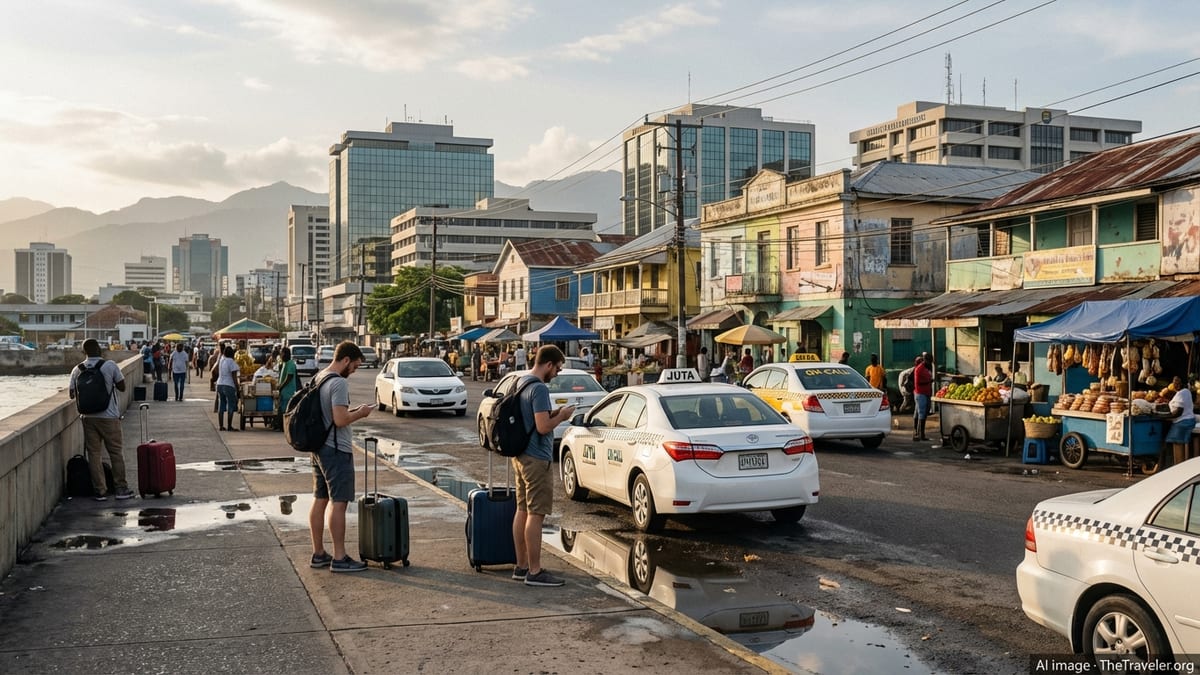
Underestimating Safety and Neighborhood Realities
One of the biggest mistakes travelers make in Kingston is assuming the city functions like a typical resort town. Kingston is a working capital with significant social and economic contrasts, and some neighborhoods experience high levels of violent crime. International advisories regularly highlight specific areas of Kingston and its surroundings as places where travelers should not go, often labeling them as zones with very high risks of robbery and gang activity. While most visitors never encounter serious problems, wandering into the wrong district out of curiosity or for a cheaper guesthouse can create unnecessary danger.
Many first-time visitors also misjudge distance and safety because some troubled neighborhoods sit close to cultural hotspots. Areas of downtown can be only a short drive from museums, recording studios or historic sites yet feel completely different in terms of security. Walking between them or exploring side streets without local guidance is rarely a good idea. In Kingston, using trusted transport and planning door-to-door movements is often safer than improvising on foot, especially if you are carrying a camera or phone.
Another recurring error is treating travel advisories as optional reading. Governments and major tourism organizations frequently update their advice for Jamaica, including Kingston, to reflect recent incidents and patterns. These notices often list specific communities and corridors to avoid at all times, and they underline that robberies and sexual assaults can occur even in areas that appear busy or familiar. Skipping this research means you might book accommodation or nightlife in locations that locals and officials advise against.
Travelers sometimes overreact in the opposite direction and decide that all of Kingston is unsafe. That perception can lead to hunkering down in a single hotel and missing the city’s strengths: live music, galleries, great restaurants and the waterfront. A better approach is balanced caution. Choose reputable accommodation in safer districts such as parts of New Kingston or the business-oriented uptown areas, use recommended drivers, and follow local advice on where to go, when to move around and what to avoid after dark.
Getting Transport and Airport Logistics Wrong
Transportation is another area where small missteps can snowball into bigger problems. Kingston’s Norman Manley International Airport sits on the Palisadoes peninsula, separated from the main city by a causeway. The drive into central Kingston typically takes 30 to 60 minutes depending on traffic. Arriving without a clear plan for how you will cover that distance can leave you vulnerable to unlicensed drivers, aggressive touts or overpriced rides. Relying on the cheapest option in the arrivals area is one of the most common mistakes visitors report.
Official airport and tourism authorities in Jamaica encourage travelers to use licensed taxi associations and approved transfer services, which are clearly marked and regulated. Some hotels arrange airport pickups with known drivers, and there are reputable tourist taxi cooperatives that serve Kingston’s main districts. Ignoring these options and getting into an unmarked car just because the price sounds good is risky. Fake taxis are a known issue in Jamaica, and visitors have reported scams that range from sudden price hikes to outright theft.
Another frequent oversight is failing to factor Kingston’s traffic and airport procedures into departure planning. Authorities recommend arriving at Norman Manley International Airport at least two and a half to three hours before an international flight. Queues at check-in and security can lengthen in peak seasons, and congestion on the access road can be unpredictable, especially during weekday rush hours or when there are events in town. Leaving your hotel only two hours before takeoff might work in some cities, but in Kingston it can mean a missed flight and expensive rebooking.
Inside the city, treating public buses like a tourist-friendly option is another miscalculation. The main urban buses can be crowded, and they are not designed with visitors and luggage in mind. Safety advisories often recommend avoiding buses at night, particularly in and around Kingston. For most travelers, it is safer and far more efficient to use licensed taxis, ride-hail services where available, hotel drivers or private transfers. The cost is higher, but the trade-off in predictability and safety is usually worth it.
Ignoring Street Smarts Around Money and Belongings
Even experienced travelers sometimes relax their usual caution in Jamaica, assuming that being on vacation justifies carrying more cash or wearing more jewelry. In Kingston, this can be an expensive error. Petty theft and opportunistic crime are persistent concerns, and both local authorities and foreign governments highlight the need to protect valuables. Flaunting designer watches, thick gold chains or the latest smartphone on a busy sidewalk can attract exactly the sort of attention you do not want.
Another common mistake is carrying passports, large amounts of cash and high-limit credit cards all together in a day bag. If that bag is snatched or misplaced, your entire trip can be thrown into disarray. A safer approach is to store most valuables in your accommodation’s safe, keep only what you need for the day, and separate cards and cash into different pockets. Travelers should also be cautious at ATMs, using machines located inside banks or reputable hotels, preferably during daylight, and shielding the keypad while entering PINs.
Bargaining without first asking about typical prices is another way visitors get caught out. Some vendors and informal guides quote inflated rates when they sense that travelers have no baseline for what a taxi ride, boat trip or small souvenir should cost. While haggling is part of the culture in some contexts, overly confrontational bargaining or arguing in public can escalate tensions. Doing a bit of homework on approximate prices and asking hotel staff or trusted drivers what they would pay helps you negotiate more calmly and avoid feeling cheated.
Finally, people underestimate how quickly drinks and nightlife spending can add up, especially in areas popular with visitors. Accepting drinks from strangers or leaving your drink unattended in busy bars is unwise anywhere, and Kingston is no exception. It is also smart to keep a firm cap on how much cash you bring for a night out and to leave your most important cards and documents locked away. Most financial headaches in Kingston stem not from sophisticated scams but from lapses in basic street smarts.
Misreading Kingston’s Culture, Pace and Climate
Kingston is the beating cultural heart of Jamaica, but arriving with unrealistic expectations about how the city looks and works is a subtle mistake that can sour the experience. Some visitors picture a compact Caribbean resort with beaches on every block, then feel disappointed to find a sprawling, often hectic city separated from its main beaches by distance and traffic. Kingston’s charm lies more in its music, food, nightlife and creative scene than in sunbathing, so treating it as a classic beach destination is a mismatch from the start.
Another cultural misstep is assuming that every friendly approach on the street is either a scam or, conversely, a sign of instant friendship. Locals are often warm and talkative, and small talk about where you are from or what you think of Jamaica is common. At the same time, some people do approach visitors hoping to sell services, ganja or souvenirs. Learning to be polite but firm, declining offers clearly when you are not interested, and walking away from any interaction that feels pushy can help you navigate these encounters without tension.
Kingston’s climate catches many travelers off guard as well. The city is hot and often humid, and temperatures can feel especially intense in the built-up downtown areas with limited shade. Visitors who are used to quickly ducking between air-conditioned spaces in smaller cities may find walking outside for extended periods physically draining. Not drinking enough water, skipping sunscreen or failing to wear light, breathable clothing are simple mistakes that can lead to exhaustion or sunburn early in the trip.
Finally, some travelers overlook local rhythms around holidays, religious observances and big events. Carnival, major concerts or football matches can change how the city moves, with road closures, heavier police presence and more crowded public spaces. At other times, such as certain public holidays, some attractions and restaurants may close or keep limited hours. Ignoring these patterns can mean arriving at a must-see site only to find it shut or discovering that your chosen neighborhood is far louder and more crowded than you expected that night.
Choosing the Wrong Accommodation and Nightlife Strategy
Where you stay in Kingston strongly influences how safe and enjoyable your trip will be. One miscalculation some travelers make is picking the absolute cheapest guesthouse or rental, even when it is in an area that locals describe as rough. Online photos rarely convey what the surrounding streets feel like at night, and reviews do not always highlight security concerns plainly. Saving a bit on your nightly rate is not worth it if you feel nervous every time you come and go, or if you find that taxis are reluctant to drop you at your door after dark.
On the other hand, booking an upscale property in a relatively safe district but then roaming far afield alone late at night to chase bars or parties can undercut those initial efforts at safety. Kingston has a well-established nightlife scene, but it is usually wiser to visit venues that your hotel or a trusted local contact recommends and to plan your route home in advance. Walking long distances between bars, especially in quieter or poorly lit areas, is frequently cited as a mistake in incident reports.
Some visitors also misjudge how noise and nightlife might affect their rest. Streets that are peaceful during the day can become loud with music, traffic and socializing at night, particularly on weekends. Choosing accommodation near a cluster of late-night venues without realizing it can lead to very little sleep. Reading reviews carefully for mentions of noise, asking properties about weekend events and considering a room on a higher floor or away from the main street can make a big difference.
Lastly, travelers sometimes forget that even reputable hotels and guesthouses have limits to what they can control. Leaving valuables lying around in a shared villa, inviting casual acquaintances back to your room or ignoring front-desk advice about who is allowed upstairs all weaken the protective bubble your accommodation provides. Treat staff as allies in your safety plan, ask questions about local conditions, and follow any guest policies designed to keep the property secure.
Timing Your Visit Poorly and Ignoring Weather Risks
Kingston’s tropical climate means warm temperatures year-round, but that does not mean every month feels the same. One of the more avoidable mistakes is booking flights purely on price without considering the Atlantic hurricane season, which typically runs from June to November. While Kingston is not hit every year, storms passing near Jamaica can still bring heavy rain, high winds, flooding and disrupted services. Travelers who arrive during an active weather system may face canceled tours, road closures or even power cuts.
Another timing misstep is underestimating how much late afternoon and evening rain can affect plans, especially during wetter months. Outdoor attractions, hillside drives and coastal excursions can all feel very different in a downpour. Building a flexible itinerary that leaves room to shuffle indoor and outdoor activities reduces the frustration if the weather turns. Hotel staff and local drivers are usually well attuned to short-term forecasts and can advise you on which days are best for longer trips.
Heat is also a factor in planning your days. Midday in Kingston can be punishing for walking tours or hikes in the hills above the city, and there is a tendency for visitors to schedule too much activity back-to-back. A wiser strategy is to plan more intense excursions in the early morning or later afternoon, using the hottest hours for lunch, rest or indoor visits. Travelers who ignore this often end up overly tired or dehydrated by the second or third day.
Finally, some people fail to account for public holidays and major events when booking. These can affect everything from hotel availability and prices to the ease of getting a taxi. They may also influence security measures, with roadblocks or temporary restrictions in some areas. Checking a Jamaican calendar of events before you confirm dates can help you decide whether you want to coincide with big celebrations or avoid them altogether.
The Takeaway
Kingston is not a destination to approach casually, but it rewards travelers who prepare thoughtfully. Many of the worst stories visitors tell later involve misjudgments that were entirely preventable: taking an unlicensed taxi, walking through unfamiliar streets at night, ignoring local advice or concentrating all valuables in one bag. By viewing safety planning as a normal part of your trip rather than an optional chore, you dramatically reduce the likelihood of problems.
The goal is not to move through Kingston in a state of anxiety, but with informed confidence. Choose accommodation in safer districts, arrange reliable transport, keep a low profile with money and electronics, and stay up to date on official advisories and local news. Respect the city’s energy and complexity, and it will often respond in kind, offering you live music, memorable meals and genuine human warmth.
With realistic expectations and a few smart habits, Kingston can be a fascinating gateway into Jamaican culture rather than the source of travel stress. Avoiding the key mistakes outlined here frees you to focus on why you came in the first place: to experience the rhythms, flavors and stories of one of the Caribbean’s most compelling cities.
FAQ
Q1. Is Kingston safe for tourists to visit?
Kingston can be safe for cautious visitors who research neighborhoods, follow official advisories, use licensed transport and avoid walking in unfamiliar areas after dark.
Q2. Which areas of Kingston should visitors generally avoid?
Travel advisories often warn against parts of downtown and specific inner-city communities affected by gang activity; check the latest guidance and ask your hotel for current local advice.
Q3. How should I travel from Norman Manley International Airport into Kingston?
Arrange a pickup through your hotel or use clearly licensed taxis or reputable transfer services from the arrivals area rather than accepting unsolicited rides.
Q4. Is it safe to use public buses in Kingston?
Public buses can be crowded and are not designed for visitors with luggage; many advisories recommend avoiding them at night and choosing licensed taxis instead.
Q5. How can I protect my money and valuables in Kingston?
Carry only what you need for the day, store passports and extra cards in your hotel safe, avoid displaying expensive items and use ATMs in secure, well-lit locations.
Q6. What is the best part of Kingston to stay in as a first-time visitor?
Many first-timers choose business and hotel districts such as parts of New Kingston or other uptown neighborhoods that offer better security, services and access to recommended transport.
Q7. When is the best time of year to visit Kingston?
Conditions vary, but many travelers favor the drier months outside the heart of hurricane season; always check weather patterns and event calendars before booking.
Q8. Can I walk around Kingston at night?
It is generally wiser to limit walking after dark to short, well-lit routes in safer areas and to use licensed taxis for longer distances, especially if you are unfamiliar with the city.
Q9. How should I handle street vendors or people offering services?
Be polite but firm, say no clearly when you are not interested, avoid feeling pressured into buying anything and walk away from interactions that become insistent or uncomfortable.
Q10. Do I need to worry about hurricanes or extreme weather in Kingston?
Hurricane season usually runs from June to November, and passing storms can disrupt travel, so monitor forecasts and advisories and keep your plans flexible during these months.