


More news on this day
Kuala Lumpur International Airport is leaning on its signature “Malaysian Hospitality” ethos to support thousands of passengers stranded by widespread flight cancellations triggered by volcanic ash from Indonesia’s Anak Krakatau, which has temporarily disrupted air links between Kuala Lumpur and Jakarta.
Get the latest news straight to your inbox!
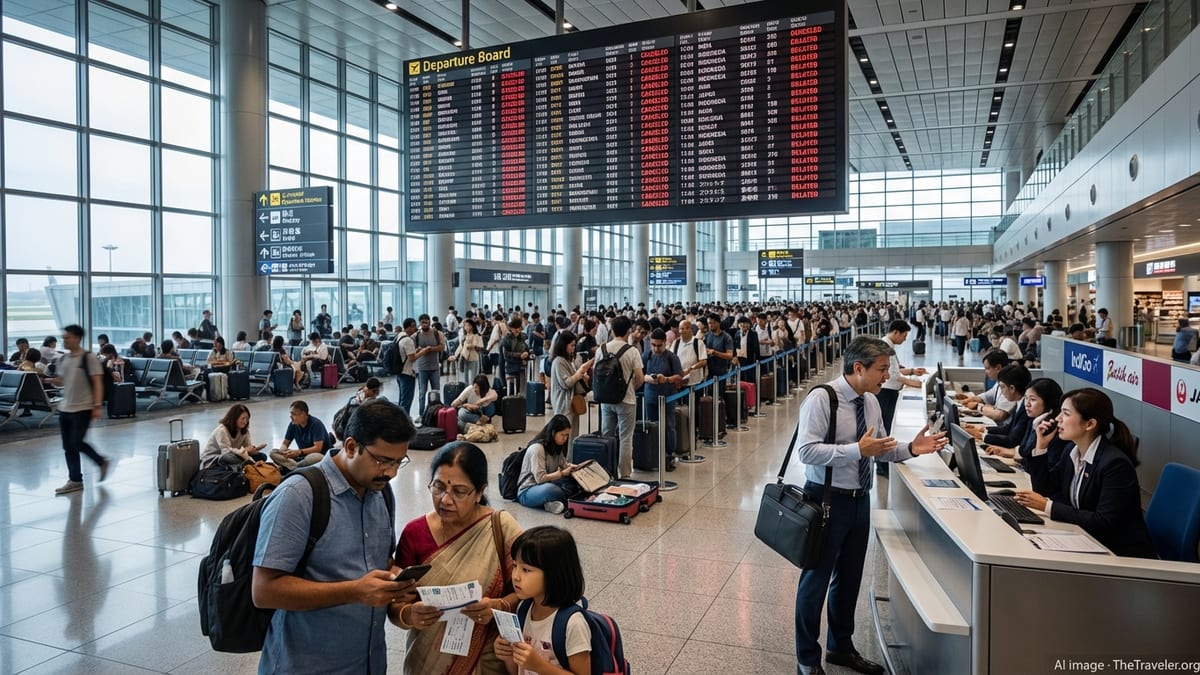
Volcanic Ash From Anak Krakatau Disrupts Malaysia–Jakarta Corridor
Volcanic ash from Indonesia’s Anak Krakatau has led to the temporary closure of Jakarta’s Soekarno-Hatta International Airport, triggering cascading disruptions across Malaysia’s main gateway at Kuala Lumpur International Airport (KLIA) and several other airports nationwide. Airport operator Malaysia Airports Holdings Berhad (MAHB) has reported significant cancellations on the busy Kuala Lumpur–Jakarta route as ash clouds continue to affect air navigation in the region.
According to published data from MAHB and local media coverage, at least 31 Jakarta-bound flights from Malaysia were cancelled on 6 September 2026 alone, with KLIA accounting for the majority of affected services. Subsequent updates indicated that cancellations rose further, with 41 flights to Jakarta cancelled nationwide on 7 September as Jakarta’s airspace restrictions were extended in response to the evolving volcanic activity.
Malaysia Airlines and other carriers operating between Kuala Lumpur and Jakarta have progressively adjusted schedules, citing the impact of volcanic ash on operations at Soekarno-Hatta. Malaysia Airlines advisories list multiple cancelled services between Kuala Lumpur and Jakarta from 6 to 8 September 2026, underscoring the scale of the disruption across several consecutive days.
While Malaysia has no active volcanoes of its own, aviation contingency plans for regional ash events anticipate the possibility that eruptions in neighbouring Indonesia can quickly affect Malaysian airspace and flight patterns. The current Anak Krakatau episode has become a real-world test of those protocols on one of Southeast Asia’s busiest international corridors.
‘Malaysian Hospitality’ Front and Centre at KLIA
As the disruption intensified, KLIA moved to frame its response under the banner of “Malaysian Hospitality,” a service ethos closely associated with both the national carrier and the country’s broader tourism positioning. Public reports from Bernama Radio and other local outlets highlight that KLIA’s passenger-experience teams were mobilised to provide targeted support, comfort and information for travelers whose plans were upended by last-minute cancellations.
KLIA’s senior management for passenger experience and operations has been cited in local coverage as saying that more than 6,200 passengers on 59 departing flights at Terminal 1 and Terminal 2 were affected by the Jakarta-related disruptions since 6 September. By the evening of 7 September, reports indicated that most of those travelers had been assisted with onward arrangements, with only a small number still in the terminals awaiting new connections.
Assistance efforts at KLIA have reportedly included guiding passengers through rebooking options, helping them secure short-term accommodation in Kuala Lumpur and the wider Klang Valley, and coordinating alternative routings to Indonesian destinations such as Surabaya and Aceh, where travelers can then continue to Jakarta by land once conditions permit. These measures align with Malaysia Airlines’ broader positioning of “Malaysian Hospitality” as a blend of practical problem-solving and culturally rooted warmth.
Airport-focused coverage also notes that KLIA’s communications channels, including social media and travel advisories, have been used to urge Jakarta-bound passengers to check directly with their airlines for the latest flight information, reinforcing the message that schedules remain fluid while volcanic ash continues to influence operations.
Crisis Response Measures Inside the Terminals
In parallel with airline-led schedule changes, KLIA has activated internal crisis-management measures designed to reduce the strain on stranded passengers. Regional news reports indicate that the airport set up dedicated resting areas and support points within the terminals to accommodate travelers experiencing extended waits, particularly those arriving at the airport before formal cancellations were confirmed.
These temporary facilities have focused on providing more comfortable seating, clearer information flows and easier access to staff who can assist with onward travel questions. Such steps are consistent with MAHB’s crisis guidelines for handling large-scale disruptions, where keeping passengers informed and physically comfortable is viewed as central to maintaining operational stability.
The disruption has coincided with Malaysia’s ongoing push to showcase its airports as key gateways for Visit Malaysia 2026, making passenger experience a heightened priority even under challenging circumstances. Earlier in the year, coordinated campaigns at multiple airports highlighted “warm Malaysian hospitality” as a defining feature of arrivals, and KLIA has sought to extend that narrative into its response to the Anak Krakatau crisis.
Publicly available aviation documents from Malaysia’s regulators outline contingency procedures for volcanic ash events, emphasising coordination with air navigation authorities in neighbouring flight information regions. The current situation at KLIA illustrates how those plans translate into on-the-ground responses, from terminal arrangements to close liaison with airline operations teams.
Airlines Issue Waivers and Advisories for Affected Passengers
Airlines operating through KLIA have been issuing rolling updates and travel advisories as Anak Krakatau’s ash plume continues to affect Jakarta’s airspace. Malaysia Airlines has published several notices detailing cancellations of Kuala Lumpur–Jakarta services on 6, 7 and 8 September 2026, advising passengers to monitor email, SMS and the airline’s digital platforms for the latest information.
According to these advisories, multiple daily round-trip services between Kuala Lumpur and Jakarta have been cancelled across the three-day window, and the airline has indicated that further adjustments remain possible if volcanic ash conditions persist. Malaysia Airlines has encouraged customers to ensure their contact details are updated via its “My Booking” portal so they can receive time-sensitive notifications about flight status changes.
While each carrier applies its own commercial policies, previous Malaysia Airlines guidance on volcanic-related disruptions in the region has typically allowed one-time changes or rerouting options for affected tickets, subject to specific fare conditions. Travel industry circulars and past waiver documents suggest that similar flexibility measures are likely to be part of the current response, although passengers are consistently advised to verify eligibility directly with their ticketing channel.
Other airlines serving the Malaysia–Jakarta market, including those based in Indonesia, have also adjusted operations, with local media describing cancellations and retimings tied to the temporary closure of Soekarno-Hatta. Collectively, these measures underscore how a single regional volcanic event can ripple through multiple airline networks and hubs.
Ongoing Monitoring as Ash Situation Evolves
Indonesia’s Centre for Volcanology and Geological Hazard Mitigation has maintained Anak Krakatau at an elevated alert level, with reports of ash reaching significant altitudes over parts of Java and Sumatra. Regional airspace managers are using this data, alongside satellite imagery and pilot reports, to determine safe operating windows for flights into and out of Jakarta.
Aviation guidance from Malaysia’s civil aviation authorities notes that while the country has no active volcanoes, its air traffic services must be prepared for cross-border ash incursions, particularly from Indonesian eruptions that can send plumes across busy regional routes. In practice, this preparation translates into close coordination with Jakarta’s flight information region and strict adherence to safety-first principles when ash is detected along key corridors.
For travelers using KLIA in the coming days, publicly available advisories stress the importance of checking flight status before heading to the airport, arriving with additional time for check-in and security where schedules remain uncertain, and remaining in direct contact with airlines regarding rebooking or rerouting options. As Anak Krakatau’s activity continues to be monitored, Kuala Lumpur’s main hub is expected to keep its “Malaysian Hospitality” response in place for as long as disruptions to the Malaysia–Jakarta corridor persist.
https://www.bernama.com/en/general/news.php?id=2604253