

More news on this day
Kuwait Airways is restoring a vital air bridge between Kuwait and Istanbul by routing passengers through Saudi Arabia’s Dammam, introducing streamlined check-in and tailored services as the region continues to adapt to temporary airspace closures.
Get the latest news straight to your inbox!
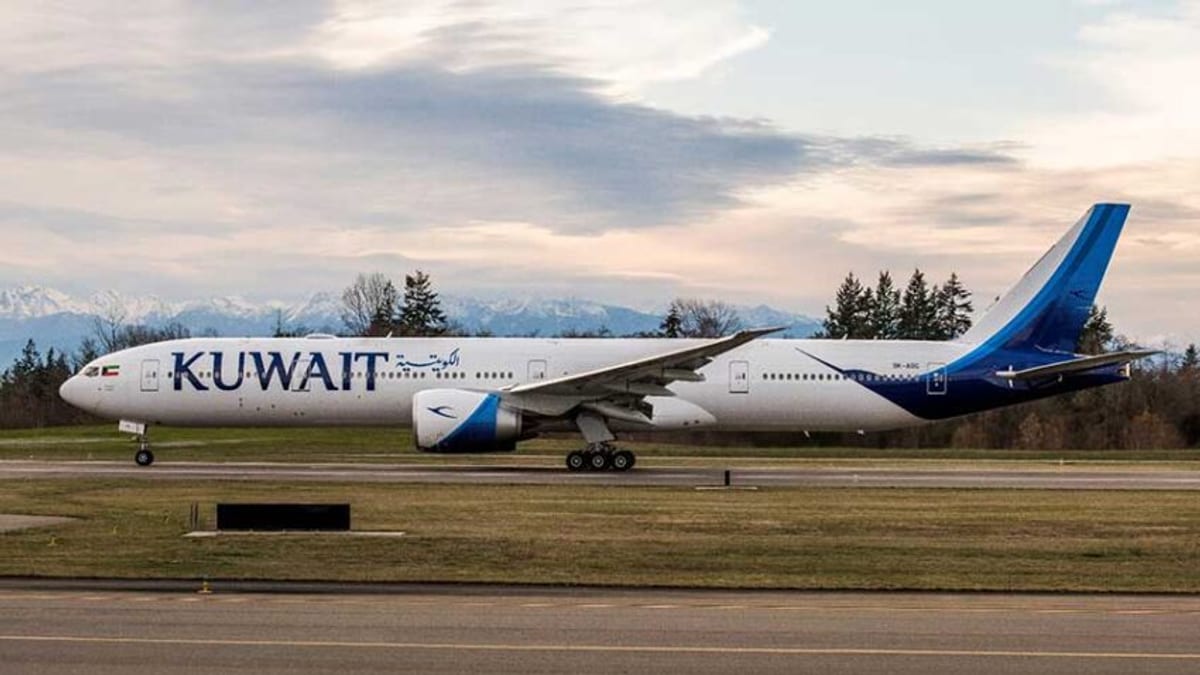
Image by Latest International / Global Travel News, Breaking World Travel News
Reconfigured Kuwait–Istanbul Route Reflects Shifting Regional Airspace
The reopening of Kuwait Airways’ Istanbul link via Dammam comes as carriers across the Gulf adjust networks in response to ongoing airspace restrictions and limited access to Kuwait International Airport. Publicly available schedules and flight-data platforms indicate that Kuwait–Turkey connectivity, once dominated by nonstop services, is now being sustained through creative routing via Saudi territory and other nearby hubs.
Recent weeks have seen several airlines in the region temporarily reroute or consolidate flights, with Kuwait’s own carriers among those leveraging Saudi airports to keep core markets connected. Reports indicate that Jazeera Airways, for example, has been operating Kuwait–Istanbul services via Qaisumah in northern Saudi Arabia, using a combination of ground transfers and onward flights as a workaround while Kuwaiti airspace remains constrained.
Within this fluid environment, Kuwait Airways’ decision to rejoin the Kuwait–Istanbul market through a Dammam stopover highlights the strategic importance of Turkey for outbound leisure travelers, students, and medical tourists, as well as for Turkish visitors heading to the Gulf. Istanbul’s role as a major transfer gateway into Europe and the Caucasus further underscores why maintaining a reliable link has been a priority for carriers serving Kuwait.
By positioning King Fahd International Airport in Dammam as an intermediate point, the national airline is effectively recreating a mini-hub along the corridor between Kuwait and Turkey. This arrangement allows the carrier to consolidate passenger flows from disrupted nonstop routes while tapping into Saudi Arabia’s extensive infrastructure and relatively unconstrained airspace.
Dammam Stopover Designed Around Streamlined Check-In
A key feature of the renewed Kuwait–Istanbul service is a streamlined check-in process that reduces the typical frictions associated with multi-leg journeys. Publicly available information from Kuwaiti media and airline notices suggests that passengers are being processed once at dedicated facilities in Kuwait, with baggage checked through to Istanbul and boarding passes issued for the full itinerary.
This approach limits the need for passengers to re-check baggage or undergo additional check-in steps during the short stop in Dammam, aligning the experience more closely with a traditional nonstop service despite the additional leg. Ground operations in Dammam focus instead on transit procedures, security, and aircraft servicing, keeping layovers relatively brief and predictable.
The model appears to draw on practices the airline has already tested on other temporarily rerouted services, such as Kuwait–Cairo and certain long-haul flights that have recently operated via Dammam. By standardizing these processes, Kuwait Airways is able to scale up similar transiting arrangements to additional destinations like Istanbul, even as conditions in regional airspace continue to evolve.
For travelers, the practical effect is that the journey becomes a single continuous itinerary rather than a series of loosely connected segments. This is particularly important for families, older passengers, and those carrying significant luggage, for whom simplified formalities and clear through-check procedures can significantly ease the travel experience.
Exclusive Services Aim to Differentiate the Temporary Route
Alongside operational adjustments, Kuwait Airways is also using tailored services to position the new Dammam-linked Istanbul route as more than a stopgap solution. Publicly available information suggests that the airline is emphasizing priority handling for transit passengers, dedicated assistance desks, and access to partner lounges in Dammam for eligible travelers.
These perks are designed to offset some of the inconvenience associated with the additional sector and to differentiate the product from ad hoc rebookings via third-country hubs. In some cases, reports indicate that travelers on rerouted services have been offered enhanced flexibility, including options for rebooking or refunds, as the carrier works to maintain confidence during an unsettled period for regional aviation.
On board, the airline continues to rely on the full-service model that has long distinguished it from some regional low-cost competitors. Complimentary meals, checked baggage allowances, and seat selection options are being used as part of a broader effort to reassure passengers that quality standards remain intact even as routing and schedules shift.
By pairing these service elements with the operational certainty that comes from a clearly defined stopover plan in Dammam, the carrier is aiming to keep its Kuwait–Istanbul offering competitive against both Turkish and Gulf-based rivals that are also adjusting their networks.
Saudi Arabia’s Dammam Emerges as a Strategic Transit Gateway
King Fahd International Airport in Dammam is playing an increasingly prominent role as airlines reconfigure flight paths around restricted airspace. According to publicly available airport and airline information, the facility already serves as a major base for Saudi carriers and a growing number of international airlines linking the Eastern Province with destinations across the Middle East, Asia, and Europe.
The airport’s capacity, runway infrastructure, and relative geographic proximity to Kuwait City make it a logical staging point for rerouted Gulf traffic. In recent weeks, travelers have reported a noticeable increase in transit activity through Dammam as multiple airlines, including Kuwait Airways, temporarily pivot operations there from affected home hubs.
For Saudi Arabia, this trend aligns with broader efforts to expand the country’s role as an aviation crossroads. While the present configuration is driven by short-term constraints elsewhere in the region, the visibility gained by Dammam as an efficient transit point could support longer-term ambitions to grow both point-to-point and connecting traffic.
If the Kuwait–Istanbul route via Dammam proves reliable and well received, it may serve as a template for additional cooperative or triangular routings that knit together Gulf, Saudi, and Turkish markets, even after current airspace issues subside.
What the Reopened Route Means for Travelers
For passengers between Kuwait and Istanbul, the reconfigured Kuwait Airways service via Dammam provides an important additional option at a time when schedules and routings remain in flux. While some nonstop and alternative connections via other hubs continue to operate, the ability to travel under a single ticket with through-check procedures and dedicated transit support offers a measure of predictability that has at times been lacking during recent disruptions.
Travel advisories and passenger experiences shared online indicate that schedules can still change at short notice across the region, making it essential for travelers to follow the latest airline notifications and verify transit requirements for Saudi Arabia. For most connecting passengers, the stop in Dammam is structured as an airside transit, but individual visa and entry rules may vary depending on nationality and evolving regulations.
The renewed Kuwait–Istanbul link also helps sustain tourism flows in both directions. Istanbul remains a favored destination for Kuwait-based residents seeking cooler climates, cultural attractions, and medical services, while Turkey continues to target Gulf visitors as part of its tourism growth strategy. Maintaining viable air links, even under interim routings, supports hotels, tour operators, and retail businesses that depend on this traffic.
As the broader regional aviation picture gradually stabilizes, Kuwait Airways’ use of Dammam as a stepping stone back into the Turkey market demonstrates how carriers can adapt to complex conditions while preserving essential connectivity. For travelers, the message is clear: routes may look different on the map for now, but the critical bridges between Kuwait and Istanbul are being rebuilt, one carefully managed stopover at a time.