

More news on this day
Travelers passing through Las Vegas on April 11 are facing substantial disruption, as Harry Reid International Airport reports an unusually high number of delayed flights affecting routes across the United States.
Get the latest news straight to your inbox!
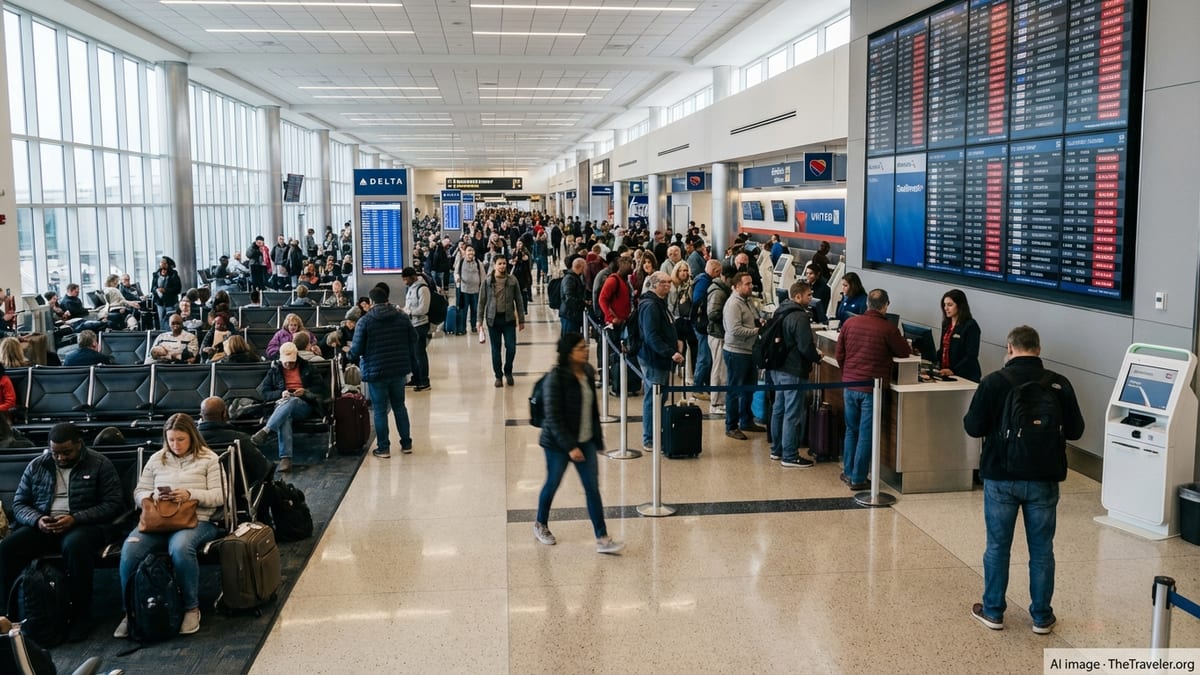
Hundreds of Flights Affected at Harry Reid International
Publicly available flight-tracking data for Saturday, April 11, indicate that Harry Reid International Airport in Las Vegas is experiencing significant operational disruptions, with more than 250 flights delayed and a small number canceled by midday. One analysis of same-day data cited 251 delayed flights and two cancellations, affecting both arrivals and departures at the busy desert hub.
The scale of the disruption places Las Vegas among the more affected airports in the national network on April 11. Earlier industry coverage of systemwide performance already highlighted elevated delay volumes at multiple major hubs in the days leading up to the weekend, suggesting that today’s problems in Las Vegas are part of a broader pattern rather than an isolated incident.
Despite the volume of delays, reports do not point to a single, dramatic trigger such as a severe local storm or major infrastructure failure at the airport. Instead, flight data and recent industry reporting describe a build-up of smaller, compounding issues that are rippling through airline schedules.
Operational Bottlenecks Ripple Across Airline Networks
According to published aviation coverage, many of the delays at Harry Reid International on April 11 are linked to knock-on effects from earlier flights in the network. Late-arriving aircraft, tight turn times, and crew scheduling constraints appear to be contributing factors, turning what might have been minor holdups into longer, cascading disruptions across the day’s schedule.
Recent reports on nationwide performance in early April already described thousands of delayed flights across major hubs, with Las Vegas among the airports showing sustained pressure on operations. That earlier pattern, combined with today’s data, suggests that airlines entered the April 11 travel window with limited margin for error. When aircraft and crews arrive late from other cities, subsequent departures from Las Vegas are pushed back, creating queues for gates and takeoff slots.
While the Federal Aviation Administration publishes real-time airport status information, it does not provide detailed public breakdowns for each individual delay. However, its dashboard and related commentary from industry trackers describe how ground delay programs, volume constraints, and traffic management initiatives in one region can spill over into others. This interconnected structure means that disruptions hundreds of miles away can materialize as long waits at Harry Reid International, even when local skies remain relatively calm.
Weather Over Las Vegas Stays Largely Favorable
Weather conditions in the Las Vegas area on April 11 appear generally favorable, based on National Weather Service forecasts and airport weather observations around the weekend. Recent updates describe dry, seasonably warm conditions with no widespread thunderstorms or dust storms in the immediate vicinity of Harry Reid International during the main travel periods.
This pattern contrasts with some past disruption events in southern Nevada, where high winds or dust have reduced visibility and prompted temporary flight restrictions. In those cases, airlines and air traffic controllers were forced to cut arrival and departure rates, leading to extensive queues. On April 11, publicly available information instead emphasizes operational and network factors, rather than severe local weather, as the dominant drivers of delay.
The relatively benign forecast does not eliminate all weather-related effects. Flights heading into or out of Las Vegas may still be affected by adverse conditions along their routes or at other airports, which can slow aircraft rotations and rebooking efforts. Nonetheless, the absence of a significant local storm at Harry Reid International underscores how vulnerable the system can be to internal bottlenecks even on clear spring days.
Passenger Impact and Strain on Airport Facilities
The high volume of delayed flights is translating into crowded gate areas and busy concessions throughout the terminals. Reports from recent weeks describe how even normal weekend travel can push Harry Reid International’s facilities near capacity; paired with today’s disruption, passengers are facing longer waits for seating, food, and customer service assistance.
In response to rising demand, the airport has expanded the information available to departing travelers. Earlier in April, Harry Reid International added live Transportation Security Administration checkpoint wait-time estimates to its official website, allowing passengers to see approximate screening times before they leave for the airport. That tool is designed to help distribute arrivals more evenly and reduce congestion at peak periods, though it cannot eliminate delays caused by airline or air traffic factors.
For visitors ending a Las Vegas vacation on April 11, the mismatch between scheduled departure times and actual boarding may mean missed connections in other hubs, rebooked itineraries, and extended hotel stays. Travel industry guidance for similar disruption days encourages passengers to keep confirmation numbers handy, monitor airline apps closely, and seek automated rebooking options where available to avoid long in-person queues.
What Travelers Can Do if Flying Through Las Vegas Today
Travel advisories for April 11 recommend that anyone flying through Harry Reid International build extra time into their plans. Passengers departing Las Vegas are urged by airlines and travel specialists to arrive well ahead of recommended minimums, given the possibility of congested check-in counters, busy security lines, and shifting gate assignments.
Publicly available guidance also highlights the importance of checking flight status repeatedly throughout the day, rather than relying on a single early-morning snapshot. Because delays can lengthen as aircraft fall further behind schedule, a flight that appears lightly affected at breakfast time may be significantly delayed by the time boarding is expected to begin.
Travelers with tight onward connections, especially those requiring a change of terminal or re-screening at another airport, may wish to investigate alternative routings or ask airlines about same-day changes where policies permit. For those still in the planning phase, some industry commentators suggest avoiding last-flight-of-the-day options when delays are elevated across the network, since these departures pose a higher risk of overnight disruption if schedules slip.