

More news on this day
Passengers at Los Angeles International Airport are facing a fresh bout of travel disruption as flight-tracking data shows at least 69 delays and 10 cancellations affecting Delta Air Lines, Lufthansa, United Airlines and several other carriers on Friday, snarling busy routes to San Francisco, Detroit, Honolulu, New York City and beyond.
Get the latest news straight to your inbox!
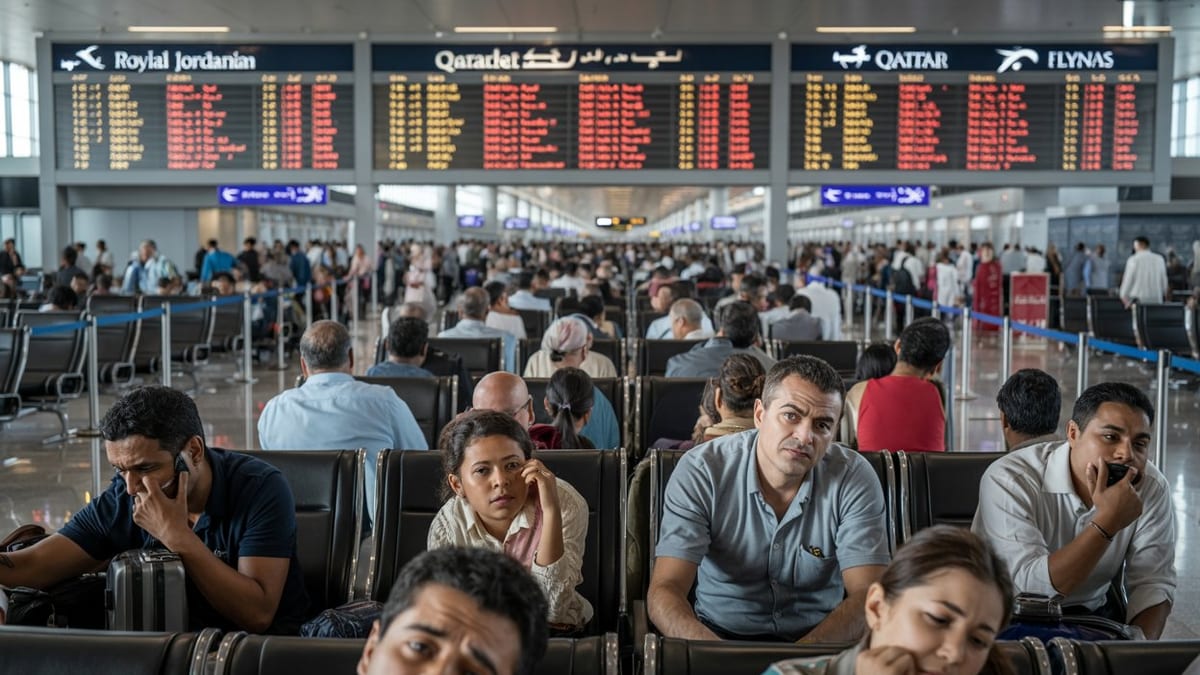
Broad Disruptions Across Major Carriers at LAX
Publicly available airport and flight-tracking dashboards on Friday indicate that Los Angeles International is experiencing an elevated level of disruption compared with a typical spring travel day, with delays clustering around large network carriers that dominate the hub. Delta Air Lines, which operates a major hub from Terminals 2 and 3, is among the most affected, alongside United Airlines and Star Alliance partner Lufthansa on long haul links and domestic connections.
The tally of at least 69 delayed flights and 10 cancellations spans morning and midday departure banks, affecting both outbound and inbound services. While some delays remain under one hour, a growing share have extended beyond 90 minutes, forcing passengers to rebook missed connections and reshuffle same-day plans across the United States.
Regional feeders and transcontinental routes appear to be bearing a disproportionate share of the pain. Several services operated by partner carriers under major-airline brands are showing rolling departure-time revisions, a pattern that often ripples through an airline’s network as aircraft and crews fall out of position.
Key Routes Hit, From the West Coast to the East Coast
Among the most visible impacts for travelers are on trunk routes linking LAX to other major U.S. cities. Flights between Los Angeles and San Francisco, one of the busiest domestic corridors in the country, are registering multiple delays across different carriers, compressing already tight schedules for business travelers and commuters who rely on frequent shuttle-style services.
Links to Detroit and other Midwestern hubs are also affected, complicating onward connections to the East Coast and Europe. Published flight-status boards show altered departure and arrival times on several Detroit-bound services, which in turn feed connecting traffic to secondary U.S. cities later in the day.
Hawaii-bound leisure travelers are not immune. Honolulu services departing from LAX on Friday are reporting schedule slippages that range from modest delays to more extended holds while aircraft, crew and ground operations are realigned. For travelers with inter-island connections or cruise departures, even a short delay leaving Los Angeles can cascade into missed check-ins and additional overnight stays.
Flights to New York City area airports, including John F. Kennedy, LaGuardia and Newark, are also reporting disruptions. For transcontinental passengers who often plan business meetings or evening events around tightly timed arrivals, shifting schedules at LAX are adding an extra layer of uncertainty.
Lufthansa Strike Fallout and Network Knock-On Effects
The situation at LAX is unfolding against the backdrop of broader disruption tied to a Lufthansa cabin-crew strike in Germany, which travel-industry coverage notes was scheduled for Friday, 10 April. Reports indicate that the one-day walkout has forced the German carrier to trim its schedule and warn of cancellations and delays across its network, including long haul routes that touch U.S. airports.
While not all Lufthansa services to and from Los Angeles have been canceled, reduced staffing and altered rotations in Europe are contributing to schedule pressure on westbound flights and their corresponding eastbound returns. For passengers booked on codeshares marketed by United or other Star Alliance partners but operated by Lufthansa metal, this has added a layer of confusion as airline apps and third-party trackers sometimes display differing statuses before airlines finalize operational plans.
Industry analyses published ahead of the strike highlighted how a single day of widespread cancellations can ripple for several days, particularly for long haul operations that require tightly coordinated aircraft and crew rotations. Those dynamics are now being felt by travelers heading from Los Angeles to European hubs, where missed connections can leave passengers stranded far from their final destinations.
Underlying Pressures on U.S. Flight Operations
Although Friday’s figures for Los Angeles may not reach the extremes seen during historic winter storms or nationwide system outages, they underline ongoing fragility in airline operations. In recent federal and industry reports, analysts have pointed to a combination of air-traffic-control staffing constraints, residual crew shortages and aging infrastructure as factors that increase the likelihood that relatively minor issues will balloon into larger disruption events.
Consumer-focused travel advisories published in recent months emphasize that carriers such as Delta, United and Lufthansa are still working through the operational aftershocks of the pandemic era along with newer challenges, including tight labor markets and congested airspace around major hubs. When one or two early flights in a bank encounter delays due to late-arriving aircraft, minor maintenance issues or air-traffic flow restrictions, it can quickly create a domino effect felt by passengers hours later.
Recent Air Travel Consumer Reports from the U.S. Department of Transportation have also documented how completion factors and on-time performance vary by carrier and season. While some airlines have favored long delays over outright cancellations in an effort to preserve schedule completion metrics, travelers often experience both strategies as equally disruptive when tight connections or important events are at stake.
What Travelers at LAX Are Facing Today
For those moving through Los Angeles International on Friday, the operational backdrop translates into longer waits at departure gates, frequent gate-change announcements and lines at customer-service desks and self-service kiosks as passengers seek new itineraries. Travel blogs and advisories note that during days of irregular operations, same-day standby lists can grow rapidly and premium-cabin seats are quickly snapped up by rebooked passengers.
Airline and airport guidance generally recommends that travelers keep mobile apps and email notifications switched on, arrive at the airport in line with their original itinerary even when a delay appears on the board, and build extra buffer time into connections. At LAX, where terminals are spread out and security screening volumes can spike without warning, passengers facing last-minute gate or terminal changes may need additional time to move through the complex.
With delays and cancellations still evolving through the day, passengers booked on Delta, Lufthansa, United and other carriers out of Los Angeles are being encouraged by public travel resources to monitor their flight numbers closely and to consider alternative routings where possible. For many, today’s disruption serves as another reminder that a seemingly routine journey from LAX to San Francisco, Detroit, Honolulu or New York City can still be derailed by a combination of local bottlenecks and global airline-network strains.