

More news on this day
Boston Logan International Airport is experiencing a fresh wave of disruption, with publicly available data on April 12 indicating 65 delayed flights and two cancellations affecting services operated by Delta Air Lines, JetBlue, British Airways and Spirit Airlines on routes linking Boston with New York and several other major US cities.
Get the latest news straight to your inbox!
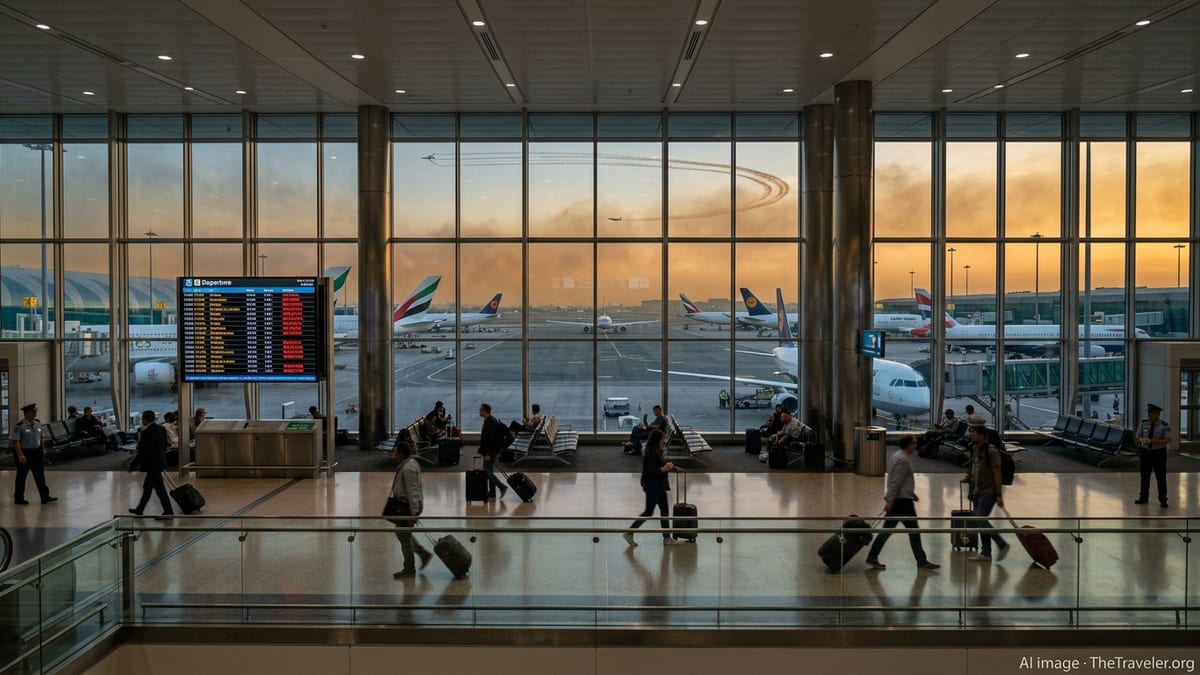
Delays Concentrated Across Major Domestic and Transatlantic Flights
Reports tracking operations at Boston Logan show that the 65 delays span both domestic and international departures and arrivals, with knock-on impacts for connections throughout airline networks. While overall flight volumes at the airport remain high, the number of delayed movements is notable for a single day and has drawn attention from travelers monitoring schedules to and from New England’s primary hub.
Delta Air Lines and JetBlue, two of Logan’s largest operators for domestic routes, account for a significant share of the disruptions. Published figures indicate that Delta has more than ten delayed services, while JetBlue has over a dozen, affecting flights to and from cities such as New York, Atlanta and Florida destinations. Some of these delays are relatively short, but they remain sufficient to complicate tight transfer windows for passengers using Boston as a connecting point.
International carriers are also represented in the day’s disruption pattern. British Airways, which links Boston with London and onward European connections, is listed among the airlines with delayed departures, while low cost and leisure-focused operators such as Spirit Airlines are experiencing both delays and at least one cancellation. The mix of carriers suggests a combination of localized operational issues at Logan and broader network constraints.
Despite the elevated number of delayed flights, the limited count of outright cancellations is keeping most journeys technically viable, albeit with later-than-planned departures or arrivals. For many passengers, that distinction still translates into missed meetings, rebooked connections and longer-than-expected time spent in terminals.
Ripple Effects on New York and High-Frequency Northeast Corridors
The disruption at Logan is especially evident on high-frequency corridors between Boston and the New York metropolitan area, where flights to LaGuardia and John F. Kennedy airports support a mix of business and leisure demand. Available route data show hundreds of monthly flights on these sectors, so even a modest increase in delayed departures can quickly ripple across schedules serving both cities.
Airlines such as Delta and JetBlue rely heavily on shuttle-style operations along the Northeast corridor, where aircraft often complete several rotations in a single day. When an early service out of Boston pushes back late, subsequent flights on the same aircraft can inherit those delays, amplifying the impact for travelers boarding later in the day from New York or other downstream airports.
Spirit Airlines, which connects Boston with several East Coast and Sun Belt destinations, is also part of this chain reaction. A single cancellation or prolonged delay at Logan can displace passengers across multiple later departures, especially on routes that do not operate at high frequency. This dynamic can be particularly challenging for travelers heading to or from secondary airports with fewer alternative options.
Published coverage on Logan’s role in the regional air network notes that the airport’s traffic is closely intertwined with operations at other Northeast hubs. As a result, even localized scheduling issues in Boston can have measurable effects on on-time performance in New York, Philadelphia and Washington, especially on busy weekends and holidays.
Operational and Infrastructure Pressures at a Busy New England Hub
Logan is among the busiest airports in the United States, serving as the principal aviation gateway for Boston and much of New England. Historical analyses have highlighted the airport’s susceptibility to bottlenecks during periods of runway maintenance, strong winds or adverse weather, when only certain runway configurations are available and ground movements must be more tightly managed.
While federal flight status dashboards on April 11 showed no broad air traffic control program affecting Boston, airport performance can still be influenced by localized factors such as ground congestion, aircraft turnaround times and crew availability. Airlines operating intensive schedules at Logan, including Delta and JetBlue, must balance tight turnaround targets with any operational constraints within terminals and on the ramp.
Recent attention on Logan has also focused on efforts to improve passenger flow and transparency. Local and national coverage has described initiatives to introduce technology that displays real-time security screening wait times, reflecting a broader push to manage peaks in passenger volume more effectively and reduce the likelihood that bottlenecks at checkpoints add to the delays already emerging on departure boards.
These infrastructure and operational pressures are occurring at a time when demand for air travel through Boston remains strong, particularly on routes linking the city with other major US centers and international gateways. That backdrop helps explain why relatively modest disruptions, quantified in the tens of delayed flights, can still feel significant for the many travelers passing through the airport each day.
Passenger Impact and Practical Steps for Managing Disruptions
For travelers booked on affected flights today, the most immediate impact is longer wait times in terminals and a higher risk of missed connections. Published advisories from airlines and travel platforms consistently recommend that passengers monitor their flight status through official airline channels and airport displays, rather than relying solely on initial booking times printed on boarding passes or itineraries.
Passengers connecting in Boston to long haul services, such as British Airways transatlantic flights or domestic links onto Delta’s wider network, may need to adjust plans if their inbound service appears among the delayed flights. Where minimum connection times are already tight, even a short schedule slip can force a rebooking onto a later departure, particularly on busy routes where remaining seats may be limited.
Publicly available information on airline customer service policies highlights that travelers affected by significant delays or cancellations may, in some circumstances, be eligible for rebooking without additional fees, travel credits, or assistance such as meal vouchers and overnight accommodation. The specifics vary by carrier and by cause of disruption, but travelers are encouraged to review the terms posted on airline websites and to use digital tools, such as mobile apps, to request changes where possible.
Consumer advocates frequently note that same-day schedule changes can be easier to manage when passengers act quickly. In a situation like today’s, where the number of disruptions is substantial yet still finite, travelers who promptly explore alternate routings, including options via other hubs, may have more choices than those who wait until gate areas become crowded with rebooking requests.
Outlook for Logan’s Operations in the Coming Days
Looking beyond the current day’s disruptions, network data for April show that Logan continues to handle an extensive roster of domestic and international services. High-frequency links to cities such as Washington, Chicago and multiple New York airports remain central to airlines’ schedules, while transatlantic and longer haul routes connect Boston to hubs in Europe and beyond.
Given that the present tally of 65 delays and two cancellations appears to reflect a snapshot of one day’s operations, aviation observers will be watching whether the pattern persists in the days ahead or is resolved as airlines work through backlogs. If no broader air traffic control or weather-related programs emerge, there is potential for schedules to stabilize as aircraft and crews return to planned rotations.
At the same time, historical patterns suggest that busy hubs like Logan can experience recurring flare-ups of delay, particularly during peak travel periods and ongoing construction or infrastructure upgrades. Airlines have made efforts to build additional resilience into their schedules, but factors such as crew scheduling rules, aircraft availability and shared airspace with other Northeast airports continue to pose challenges.
For now, travelers planning to use Boston Logan in the near term are advised by widely accessible travel guidance to allow extra time, build in wider connection windows where possible and keep a close eye on evolving departure and arrival information. With multiple major carriers, including Delta, JetBlue, British Airways and Spirit, adjusting operations in response to the current disruptions, flexibility remains one of the most valuable tools available to passengers.