

More news on this day
Germany’s air travel network has been thrown into chaos as a one-day walkout by Lufthansa cabin crew forced the cancellation of around 500 flights, leaving roughly 90,000 passengers stranded during one of the busiest post-Easter travel weekends.
Get the latest news straight to your inbox!
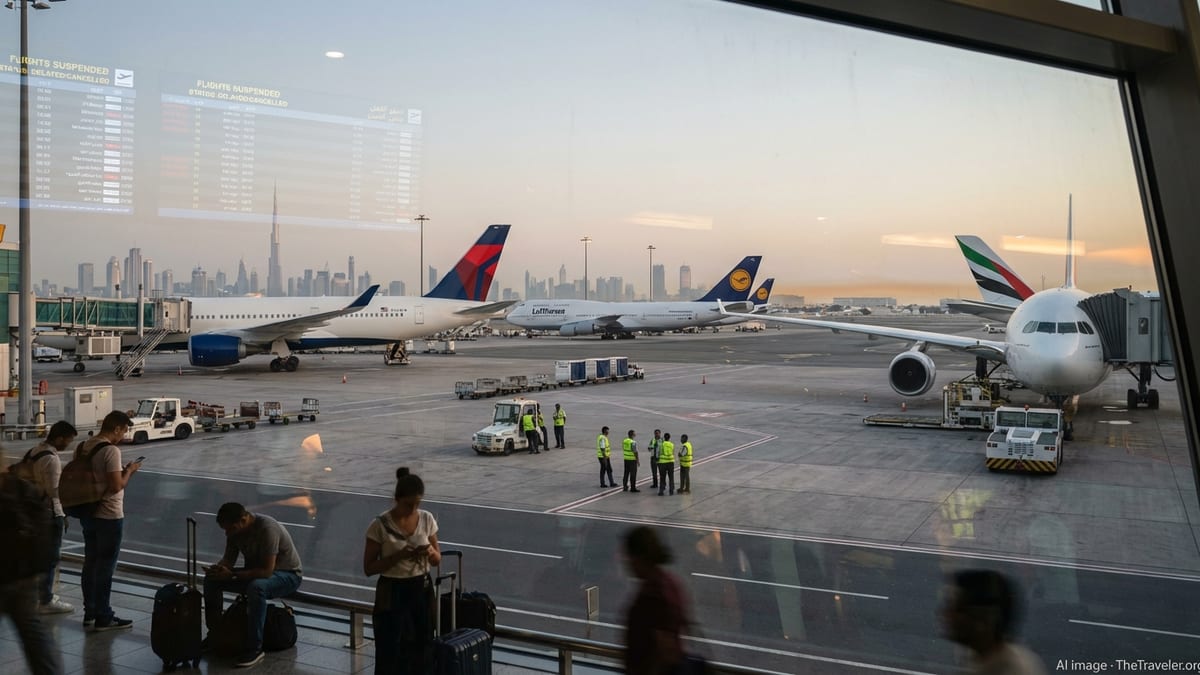
Walkout Hits Frankfurt, Munich and Key Regional Hubs
According to published coverage, the 24-hour strike began at midnight on Friday, April 10, targeting Lufthansa and its regional subsidiary Lufthansa CityLine at the height of the Easter return rush. Reports indicate that the action led to the scrapping of the vast majority of the group’s departures from its main hubs in Frankfurt and Munich, along with significant disruption at Berlin, Stuttgart and several regional airports.
Initial estimates from industry trackers suggest that about 500 Lufthansa-operated flights were cancelled across Germany over the course of the day. At Frankfurt, the country’s largest hub, only a fraction of the normal schedule departed, with long-haul services particularly affected as aircraft and crews fell out of rotation. Munich experienced a similar pattern of cancellations and delays, creating long queues at check-in desks and transfer counters as passengers sought alternatives.
The impact was felt well beyond Germany’s borders. Published reports describe disrupted connections at key European airports such as Vienna and Zurich as aircraft failed to arrive from German hubs, forcing further delays and cancellations on onward services. Travel agencies and corporate travel managers across the continent were left scrambling to rebook clients on remaining seats with other carriers that were quickly filling up.
Up to 90,000 Passengers Face Cancellations and Missed Connections
Publicly available information indicates that around 90,000 travelers were directly affected by the cancellations and severe delays, many of them holidaymakers attempting to return home at the end of school breaks. Families and tour groups reported being stranded at airports for hours as ground staff worked through long lines of customers seeking new itineraries.
The timing magnified the disruption. Easter holiday periods are typically among the busiest travel windows in the German calendar, and airlines schedule additional capacity to meet demand. With planes largely full in the days around the strike, spare seats on alternative flights proved scarce, particularly on short-haul routes within Europe where Lufthansa Group carriers usually dominate the market.
In some cases, business travelers and tour operators resorted to overland alternatives. Media coverage from affected regions describes coaches being chartered to move passengers between cities such as Munich and Vienna or to rail hubs where long-distance trains were still operating. Even so, many travelers faced unexpected extra nights in hotels as they waited for a seat on the next available departure.
Pay and Conditions at Heart of Intensifying Labor Dispute
The walkout is the latest escalation in a protracted labor dispute between Lufthansa management and cabin crew over pay, working conditions and job security. Union representatives argue that wages have not kept pace with inflation and that staffing levels on board have become increasingly tight as the airline rebuilt its schedule after the pandemic. The company has maintained that its pay offers are competitive and that it must keep a close eye on costs in a challenging market.
Reports on the dispute note that cabin crew have staged several shorter warning strikes in recent months before calling this full-day stoppage over the Easter period. The broader Lufthansa Group has also faced separate industrial action from pilots, including a two-day strike recently that grounded hundreds of flights and affected tens of thousands of passengers across the network.
Analysts following the airline sector say the sequence of strikes underscores the pressure facing traditional network carriers in Europe as they juggle rising labor and fuel costs with intense competition from low-cost rivals. Repeated disruptions are seen as a risk to brand perception among higher-yield corporate and long-haul passengers who expect reliability from a national flag carrier.
Ripple Effects Likely to Persist Through the Weekend
Even as the 24-hour strike period expires, experts caution that disruption will linger. Aircraft and crews are out of position across the network, leading to what aviation data providers describe as a “knock-on effect” that can take several days to unwind. Early schedules for Saturday and Sunday already show scattered cancellations and retimed departures on intra-European and long-haul routes.
Travel industry advisories recommend that passengers with bookings on Lufthansa and its regional partners in the days immediately following the strike monitor their flight status closely and consider arriving at the airport earlier than usual. Some carriers within the wider Lufthansa Group, including Austrian Airlines and SWISS, are attempting to absorb displaced passengers where capacity allows, but these efforts are constrained by existing high load factors during the holiday season.
Airport operators are also preparing for an extended recovery period. Ground handling teams in Frankfurt and Munich are dealing with backlogs of rebookings, baggage that did not travel with its owners, and customer service queues, all while trying to normalize operations for upcoming departures.
Passenger Rights and What Travelers Can Expect
The wave of cancellations has renewed attention on European passenger protection rules. Under EU261 regulations, travelers whose flights are cancelled or heavily delayed are generally entitled to rebooking or a refund, as well as care provisions such as meals and, where necessary, hotel accommodation. Legal specialists cited in recent coverage note that many labor-related airline strikes are treated as events within the carrier’s control for compensation purposes.
Consumer advocates are encouraging affected passengers to keep all documentation, including boarding passes, booking confirmations and receipts for incidental expenses, to support later claims. They also recommend using digital channels such as airline apps and online rebooking tools where possible, as call centers and airport ticket counters remain under heavy pressure during strike events.
For travelers planning future trips through Germany’s major hubs, the latest disruption serves as a reminder to build in additional connection time and to consider flexible booking options. With labor relations at Lufthansa still unsettled and further industrial action by pilots already announced for the coming days, Europe’s largest aviation market faces continued uncertainty just as demand for air travel is returning to pre-pandemic levels.