

More news on this day
Lufthansa is facing a fresh wave of flight disruptions on Friday, April 10, as a one day strike by cabin crew forces the German carrier to cancel large parts of its schedule from Frankfurt, Munich and several other airports.
Get the latest news straight to your inbox!
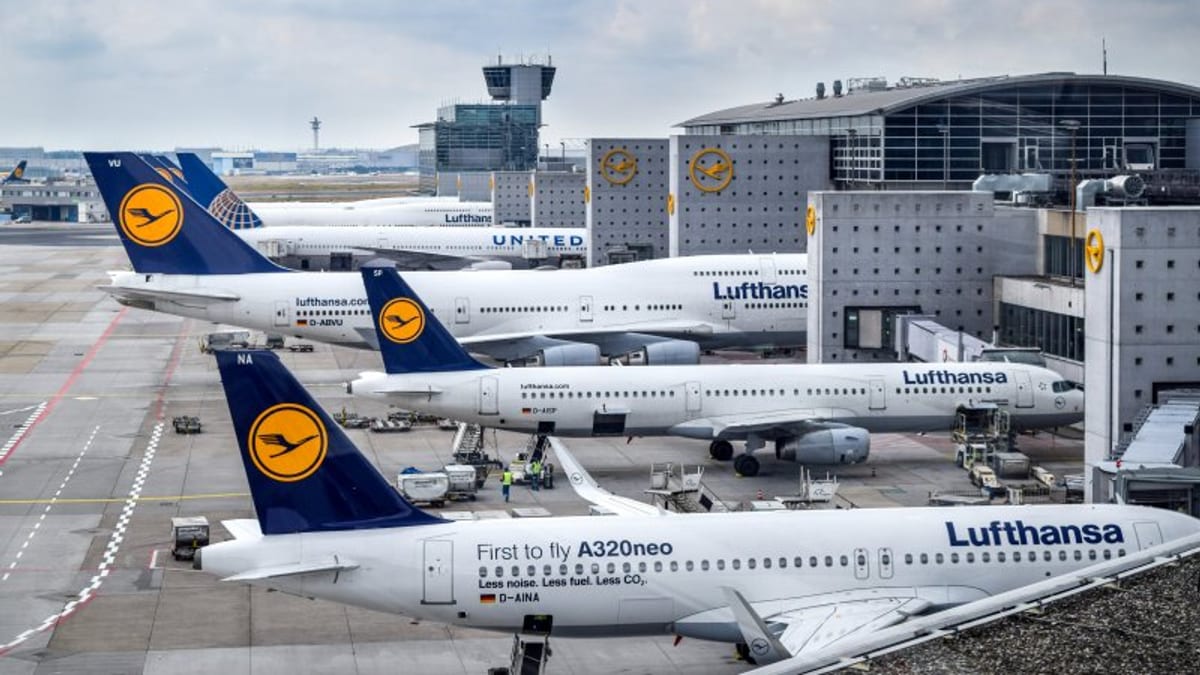
One day walkout hits key Lufthansa hubs
The latest industrial action runs from 00:01 to 22:00 local time on April 10 and targets departures operated by Lufthansa and its regional arm Lufthansa CityLine. Publicly available information indicates that virtually all Lufthansa departures from Frankfurt and Munich during the strike window are affected, turning Germany’s two busiest hubs into the epicentre of disruption.
Additional walkouts by CityLine cabin crew extend the impact to at least nine German airports, including Berlin, Hamburg, Bremen, Stuttgart, Cologne Bonn, Düsseldorf and Hanover. Airport advisories show extensive cancellations on domestic feeder routes that connect regional cities with the two main hubs, limiting alternatives for stranded passengers.
At Hamburg Airport, for example, the airport’s own overview for April 10 lists all 13 planned Lufthansa arrivals from Frankfurt and all 13 departures to the hub as cancelled. Almost all links to Munich are also scrapped, with only a small number of rotations still scheduled to operate. Similar patterns are reported at other regional airports, where flight information boards show long sequences of cancelled Lufthansa services.
While some flights operated by partner airlines and non striking staff are expected to go ahead, consumer advice platforms and travel forums suggest that travellers should prepare for last minute changes. In previous Lufthansa strikes this year, only a fraction of the originally planned schedule was ultimately operated.
Labour dispute escalates after earlier strike waves
The cabin crew walkout follows months of tense labour talks between Lufthansa management and the Independent Cabin Crew Organisation, known by its German acronym UFO. According to published coverage, the union has argued that negotiations on pay, working conditions and job security have stalled, prompting a series of warning strikes and limited actions earlier in 2026.
This latest one day strike marks an escalation because it is concentrated on a busy Friday at the start or end of school holidays in several German states, a period when demand for air travel is high. Aviation analysts note that timing industrial action on key travel days increases leverage in negotiations, but also magnifies the impact on passengers and airport operations.
The cabin crew action also comes on the heels of separate strikes by pilots within the Lufthansa Group in February and March. Those walkouts triggered hundreds of cancellations across Germany, with long haul and short haul traffic disrupted from multiple hubs. The repeated industrial conflicts underscore the strain between staff seeking higher wages in a period of inflation and management attempting to rein in costs after the pandemic recovery.
Publicly available financial reports show that Lufthansa returned to solid profitability in 2025 and continued to post operating profits into early 2026. Union representatives have argued in the media that this performance provides room for more generous offers, while the company has warned about competitive pressure from low cost rivals and other European network carriers.
Passengers face cancellations, rebookings and long layovers
For travellers, the most immediate effect of the strike is widespread disruption to itineraries. Online flight trackers and airport boards on Friday show sequences of red markings for cancelled Lufthansa flights on domestic and European routes, with some long haul services adjusted or rerouted to avoid the strike window.
Passengers posting on public travel forums in the hours leading up to the walkout reported receiving short notice cancellation messages and automatic rebookings via airline apps and chatbots. Some itineraries were rerouted through alternative hubs or partner airlines, while others involved substantially longer layovers, in some cases adding seven hours or more to total journey time.
A number of travellers described difficulties interacting with digital tools when trying to change flights, echoing common complaints seen during previous strike days. Where alternative connections are scarce, particularly on transatlantic and long haul routes, some customers have opted to purchase separate tickets on other carriers to protect essential trips, while keeping existing Lufthansa reservations as backups.
Consumer organisations in Germany typically remind passengers that, under European passenger rights rules, travellers on cancelled flights are entitled to rerouting or refunds, and in many cases compensation, when disruption is caused by strikes among an airline’s own staff. However, exact entitlements can depend on the circumstances of each booking, and travellers are encouraged in public guidance to keep documentation of delays, additional expenses and communications with the airline.
Airports and airlines advise checking flight status
German airports and airlines across the Atlantic network have issued travel advisories highlighting the potential knock on effects of Lufthansa’s cabin crew strike. Several carriers that codeshare with Lufthansa or rely on its feeder traffic have published information about flexible rebooking policies for customers whose onward connections in Germany may be disrupted.
One notice shared with customers of a major transatlantic partner outlines a temporary travel waiver for passengers scheduled to fly to or through Frankfurt and Munich during the strike period. Under such waivers, travellers can often change to other dates or routes without change fees, provided their new itinerary meets certain conditions. These measures aim to relieve pressure on heavily disrupted hubs by spreading demand across a broader time frame.
Airport operators, for their part, are using their own communication channels to warn of crowded terminals and longer waiting times on Friday. Advisories recommend that travellers check the status of their flights frequently, update contact details with their airline and arrive earlier than usual if their service is still scheduled to operate. In some cases, airports explicitly suggest that passengers postpone non essential trips where possible.
Ground transport providers that serve major hubs, including rail and intercity bus companies, may see higher demand from travellers opting for land based alternatives on short haul routes within Germany and to neighbouring countries. During earlier strike days this year, rail operators reported increased bookings on routes that parallel busy domestic air corridors such as Frankfurt to Berlin or Munich.
Ongoing uncertainty for weekend and holiday travel
Although the announced cabin crew strike is officially limited to the single day of April 10, operational knock on effects are likely to extend into the weekend. Aircraft and crews will be out of position after a day of cancellations, making it more challenging to restore the full timetable on Saturday and Sunday, particularly on more complex long haul rotations.
Travel industry commentators note that repeated strike waves can damage customer confidence in schedule reliability at a time when Lufthansa is marking its 100th anniversary and promoting itself as a stable premium carrier. Business travellers in particular may reassess the risk of relying on connections through German hubs if industrial disputes remain unresolved.
For now, publicly available information suggests that negotiations between Lufthansa and the cabin crew union have not yet produced a breakthrough that would rule out further industrial action. The experience of February and March, when earlier strikes by different staff groups were followed by additional walkouts, has led some frequent flyers to factor potential disruption into their planning for the rest of the spring and early summer travel period.
With school holidays and major events on the European calendar approaching, the pressure is likely to grow on both sides to find a compromise that balances wage demands, staffing needs and the airline’s financial objectives. Until then, passengers booked on Lufthansa and its regional affiliates are being urged in public advisories to monitor their bookings closely and prepare contingency plans in case of further disruption.