

More news on this day
Passengers across the UK, Germany, Spain and the Netherlands are facing another bruising day of air travel disruption, as publicly available data highlights 39 flight cancellations and 92 delays involving major European carriers including Lufthansa, KLM and SAS, snarling operations at key hubs such as Munich, Manchester, Barcelona and Amsterdam.
Get the latest news straight to your inbox!
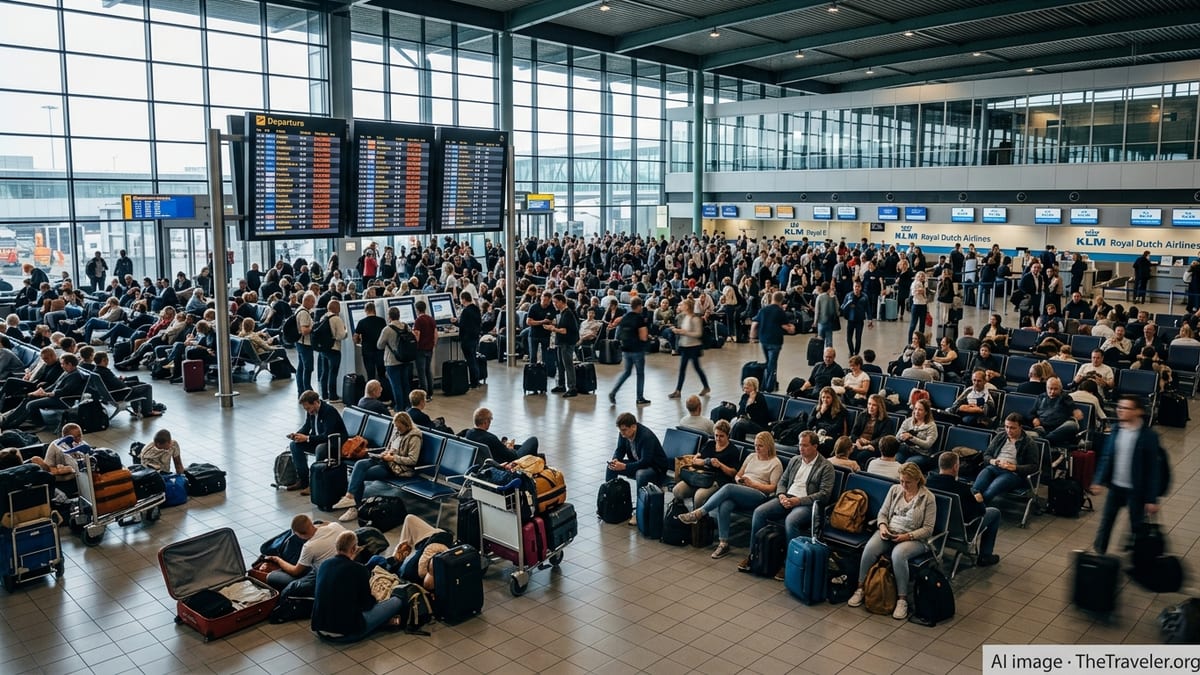
Fresh Disruptions Hit Key European Hubs
Recent operational data and industry coverage point to a renewed wave of disruption affecting core routes across northern and southern Europe, with Lufthansa, KLM and SAS among the most impacted carriers. While the numbers fall short of past continent-wide shutdowns, the latest count of 39 cancellations and 92 delays is enough to leave aircraft out of position and passengers stranded at multiple airports on the same day.
Munich, Manchester, Barcelona and Amsterdam have all emerged as flashpoints in this latest episode. These gateways are vital connectors between the UK, Germany, Spain and the Netherlands, and interruptions quickly spill over into secondary airports in countries such as Denmark, France and other parts of Scandinavia. Reports indicate that knock-on effects are now being felt on both short-haul intra-Europe services and longer connecting itineraries.
Travel and aviation monitoring outlets describe a patchwork of causes, from lingering schedule reductions and staffing constraints to weather-related bottlenecks and infrastructure pressures. Taken together, they are creating an unstable operating environment where relatively modest disturbances can translate into significant same-day chaos for travelers.
In parallel, earlier coverage this week highlighted similar patterns of disruption, with several thousand passengers reportedly affected across the UK, Denmark, France, Germany, Spain and other markets as dozens of flights were cancelled and nearly two thousand delayed, underscoring that this latest episode is part of a broader, ongoing strain on European air travel.
Munich, Manchester, Barcelona and Amsterdam Bear the Brunt
Munich has been one of the most heavily affected German hubs, with cancellations and delays disrupting feeder services that connect regional cities to wider European and intercontinental networks. Reports of halted or delayed departures have particularly affected routes linking Munich with other major cities, resulting in missed onward connections and extended airport stays for many passengers.
Manchester has also seen heightened disruption, with several European services, including those operated or marketed by Lufthansa, KLM and SAS, affected by cancellations and rolling delays. Public data from punctuality and route analyses shows that even before the latest wave, a notable share of flights from Manchester to key German and Nordic destinations were already operating close to capacity, leaving little margin when irregular operations occur.
Barcelona’s El Prat Airport has experienced fresh congestion that coincides with the current disruption cycle. Local reporting has pointed to staffing and ground-handling constraints that, while not always resulting in mass cancellations, can still slow turnarounds and cascade into late departures for carriers such as Lufthansa and KLM serving German and Dutch hubs. For travelers, that often translates into missed onward flights and unplanned overnight stays.
Amsterdam Schiphol, long a bellwether for Europe-wide aviation health, remains under pressure as well. Recent analyses of a separate surge of disruptions at Schiphol showed KLM facing dozens of cancellations and more than one hundred delays on a single day, and the current pattern indicates that operational resilience at this critical hub remains fragile. Even limited schedule interruptions at Amsterdam can quickly reverberate through networks into the UK, Germany and southern Europe.
Airlines Adjust Schedules as Structural Pressures Persist
The latest turbulence comes as European carriers are still reshaping their schedules and capacity across the continent. Recent schedule data for SAS, for example, shows a roughly 4 percent reduction in intra-European flights for April 2026 compared with earlier in the year, including slight cuts on routes such as Copenhagen to Munich and Stockholm to Manchester. While these changes may help the airline manage costs, they can also tighten spare capacity when irregular operations occur.
Lufthansa and KLM are facing their own set of structural challenges. Earlier industry coverage has highlighted how strike actions, staffing shortages and IT system vulnerabilities have triggered waves of cancellations and delays this year and last. In Germany, recent reports have documented days when more than 80 flights were cancelled at major hubs, with Lufthansa accounting for the majority of affected services. Separate coverage of a Europe-wide disruption last week described more than forty cancellations and nearly two thousand delays across multiple countries, with Lufthansa, KLM and SAS among the hardest hit.
These issues come on top of normal seasonal volatility, from winter weather in northern Europe to summer congestion at Mediterranean airports. In Amsterdam, past episodes of heavy snowfall and power outages have forced airlines and airport operators to drastically reduce movements, leading to several days in which hundreds of flights were cancelled daily. Even when conditions improve, schedules often remain fragile, with aircraft and crew displaced across the network.
Analysts note that while individual episodes may be attributed to specific factors such as local strikes or weather systems, the cumulative effect is to expose deeper weaknesses in how European aviation manages capacity, staffing and contingency planning. The repeated combination of cancellations and high volumes of delayed services is particularly disruptive for passengers, who may find that even when a flight eventually operates, connecting legs are no longer viable.
Passengers Stranded and Searching for Options
For travelers caught up in this latest disruption, the immediate impact is measured in hours on terminal floors and unexpected nights in airport hotels. Recent passenger accounts shared on public forums describe itineraries involving Lufthansa, KLM and SAS unraveling at short notice, with flights between hubs such as Frankfurt, Munich, Amsterdam and Manchester cancelled or retimed and replacement options limited at busy periods.
Because the current wave involves both outright cancellations and a high volume of delays, many travelers find themselves stranded not just at their point of origin but also mid-journey. Missed connections in Munich and Amsterdam in particular can be difficult to recover, as popular onward flights to southern Europe or Scandinavia often depart at peak times and may already be full.
According to consumer-rights organizations and specialist claims firms, passengers on affected flights within or departing from the European Union may have rights to assistance, rerouting and, in some cases, financial compensation, depending on the cause and length of the delay. However, reports also indicate that accessing support can be challenging when call centers are overwhelmed and airport help desks face long queues during large-scale disruption.
Travel-advice outlets are emphasizing simple steps for passengers to improve their chances of a smoother rebooking, such as monitoring airline apps closely, acting quickly when alternative routings appear and keeping documentation of delays and cancellations. With multiple airlines and hubs under pressure at once, though, even well-prepared travelers may struggle to avoid extended interruptions.
What Today’s Disruption Signals for Europe’s Summer Travel
The latest tally of 39 cancellations and 92 delays affecting Lufthansa, KLM and SAS may seem modest compared with extreme events in recent years, but industry observers view the pattern as an early warning ahead of the peak summer season. The combination of tight schedules, periodic strikes, infrastructure constraints and high passenger demand leaves limited room for error.
Recent cases of widespread disruption, including those reported in Germany and at Amsterdam Schiphol, suggest that European aviation continues to operate close to its limits during busy periods. When a problem emerges at a single hub, such as a staffing shortfall or local weather event, the absence of spare aircraft and crew often means that delays ripple rapidly through the wider network.
For travelers planning trips in the coming months, the experience of passengers currently stranded in Munich, Manchester, Barcelona, Amsterdam and other airports offers a clear reminder of the importance of flexibility. Travel specialists are advising that itineraries with longer connection times, early-day departures and, where feasible, backup routing options are likely to be more resilient when disruption strikes.
Airlines and airports, meanwhile, face mounting pressure from consumer advocates and regulators to bolster resilience through more robust staffing, infrastructure investment and transparent communication with passengers. Whether those efforts will be sufficient to prevent a repeat of this week’s scattered cancellations and delays on a larger scale later in the year remains an open question for Europe’s air travelers.