

More news on this day
Lufthansa passengers across Europe are bracing for major disruption this week after pilots’ union Vereinigung Cockpit called a two-day strike for Monday 13 April and Tuesday 14 April, affecting the German flag carrier and several subsidiaries at the height of a busy spring travel period.
Get the latest news straight to your inbox!
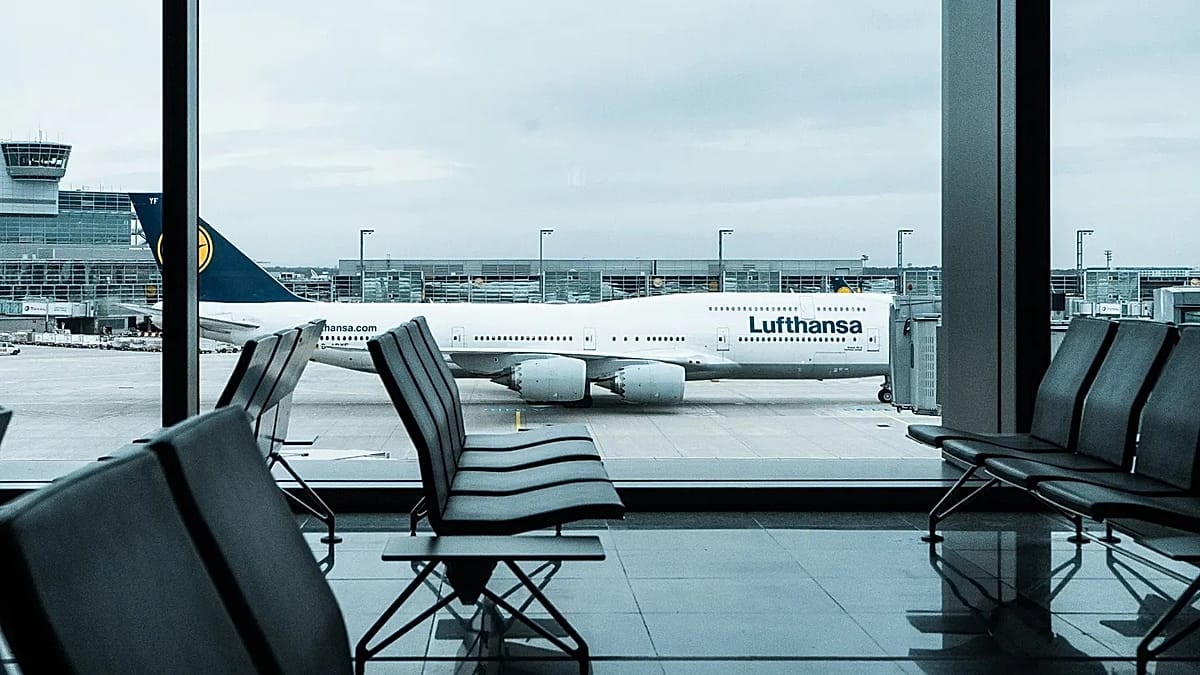
Strike to hit mainline Lufthansa, CityLine and Eurowings
Publicly available information indicates that the 48-hour walkout will cover Lufthansa German Airlines, regional operator Lufthansa CityLine and cargo operations, with Eurowings pilots due to stop work on Monday 13 April only. The strike window is expected to run from 00:01 Central European Time on Monday until 23:59 on Tuesday, effectively disrupting the entire operating day on both dates.
Most reports suggest that flights departing from German airports will be the primary focus, with Frankfurt and Munich likely to bear the brunt of cancellations and delays. These two hubs handle a large share of Lufthansa’s long haul and intra European network, meaning ripple effects could be felt across connecting services worldwide.
Lufthansa has begun loading a special timetable and preemptively cancelling flights, with some passengers already receiving rebooking notices for alternative services on group carriers such as Swiss, Austrian Airlines and ITA Airways. Travel forums and social media posts indicate that call center wait times have climbed sharply as travelers seek clarification on their itineraries.
The strike comes after a series of earlier work stoppages by Lufthansa pilots in February and March, which resulted in hundreds of cancellations and widespread disruption. Industry observers note that the latest action extends a tense labor standoff into a key period for business and leisure travel, increasing pressure on both sides to reach an agreement.
Pension dispute and pay demands at heart of conflict
According to published coverage, the dispute centers on long running negotiations between Vereinigung Cockpit and Lufthansa management over pilot pension arrangements and elements of the wage structure. Union representatives have argued that proposed changes would significantly weaken existing retirement benefits for thousands of pilots and have pushed for compensation that more closely reflects the airline’s recent financial recovery.
Lufthansa has publicly emphasized the cost pressures facing the group, citing higher fuel prices, lingering operational challenges in some markets and the need to invest in fleet renewal and punctuality improvements. Company statements referenced in media reports describe the latest strike call as disproportionate in light of the offers already made, while the union maintains that management has not presented an acceptable compromise.
Background material from international pilot associations shows that union members at Lufthansa and Lufthansa Cargo voted in late 2025 to authorize industrial action after talks failed to produce a framework deal. Since then the two sides have held several negotiating rounds, but the pattern of short notice, targeted strikes suggests that incremental progress has not been enough to resolve core disagreements over long term employment conditions.
Aviation analysts point out that pilot labor costs are a significant but not dominant share of overall airline expenditure, and that modern multi hub carriers often seek multi year agreements to provide cost visibility. The current dispute is viewed as a test of how far Lufthansa is prepared to concede on legacy benefit structures while still pursuing its stated profitability and margin targets through 2028.
Thousands of passengers facing cancellations and missed connections
Based on experience from previous strike days in March, industry estimates suggest that hundreds of flights per day could be cancelled or rescheduled if the two day action proceeds as planned. Frankfurt and Munich handle a dense web of connecting itineraries, so even travelers whose journeys do not start or end in Germany may find their plans disrupted by missed links or last minute routing changes.
Travel advisories on Lufthansa’s own channels encourage passengers to check the status of their flights frequently and to ensure that contact details in bookings are up to date so that automated rebooking messages can be delivered. Passengers who booked via travel agencies are generally being directed to work through those intermediaries for itinerary changes.
Recent strike related waivers at the airline have typically allowed affected customers to rebook once without additional fees, move travel to a later date, or in some cases switch to other carriers within the Lufthansa Group. Public information issued ahead of this week’s action indicates that similar flexibility is likely to be offered for tickets issued on or before 11 April and scheduled for travel on 13 and 14 April.
Consumer advocates are reminding travelers on itineraries departing the European Union or operated by an EU carrier that EU261 regulations may provide rights to rerouting, care and in some situations financial compensation, depending on the cause of the disruption and the notice period provided. However, assessments of individual cases can be complex and may depend on how the strike is classified and handled.
German hubs and European network brace for disruption
Airport operators at Frankfurt and Munich are preparing for another challenging start to the week, with ground handling teams, security providers and airport rail links all likely to be affected indirectly by reduced flight activity and shifting passenger flows. Publicly available statements from previous strike episodes suggest that terminals may be busier at customer service points even as the total number of departures drops.
Other German airports that serve Lufthansa and Eurowings, including hubs in Düsseldorf, Hamburg, Berlin and Stuttgart, are also expected to experience schedule changes and potential crowding around the remaining flights that do operate. Regional authorities and airport management teams have typically urged passengers during past strikes to arrive early, monitor flight information screens and be prepared for rebookings.
Travel industry reports indicate that rail operators and competing airlines on key domestic and intra European routes are already seeing increased demand for seats on and around 13 and 14 April. Some carriers have signaled plans to deploy larger aircraft or add capacity where feasible, although the short notice and lingering aircraft and crew constraints limit how much of Lufthansa’s schedule can realistically be absorbed.
For hotels near major German airports, previous strike periods have often brought a surge in last minute bookings from stranded passengers and airline crew. Travel managers for corporate clients are advising business travelers to consider virtual alternatives where possible or to build additional flexibility into itineraries scheduled for early in the week.
What travelers can do now
With the strike set to begin within 24 hours, travel experts recommend that affected passengers take proactive steps rather than waiting until the day of departure. Checking booking details in the Lufthansa app or on the airline’s website, verifying email and phone contacts, and reviewing any notifications about schedule changes can help reduce surprises at the airport.
Passengers on complex itineraries with tight connections, particularly those involving long haul segments to or from Frankfurt and Munich, may wish to explore alternative routings through other hubs such as Zurich, Vienna or Rome using fellow group carriers. Publicly available guidance from earlier strikes suggests that Lufthansa is often able to rebook travelers onto partner flights when space allows, although availability may be limited during peak hours.
Those who have booked through online travel agencies or third party platforms should use the communication channels provided by those companies, as they generally control ticket changes and refunds. Travelers with time sensitive trips, such as cruises, tours or major events, may also want to contact their tour operators or insurers to understand what support is available if flights are cancelled.
While the full impact of the two day action will only become clear once the special timetable is finalized, the pattern of recent work stoppages suggests that widespread disruption is likely. For now, passengers are watching closely to see whether last minute talks lead to any breakthrough, even as airports and airlines across Europe prepare for another week defined by industrial tensions in Germany’s aviation sector.