

More news on this day
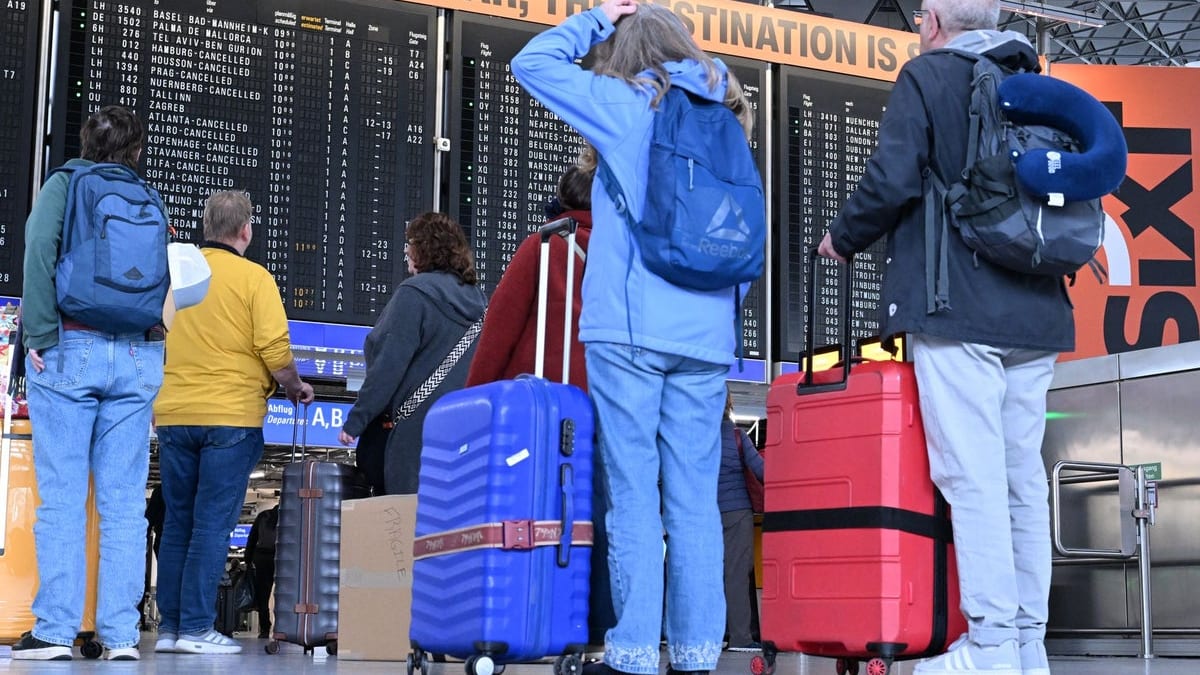
Hundreds of flights were cancelled and tens of thousands of passengers left stranded on Friday after a major strike by Lufthansa cabin crew brought large parts of Germany’s air traffic to a standstill.
Get the latest news straight to your inbox!
Strike Halts Operations at Key German Hubs
Publicly available information shows that the one-day walkout, called by the Independent Flight Attendants Organization, targeted Lufthansa’s mainline operations and its regional arm CityLine. The action, which began shortly after midnight and ran until late evening, hit Germany’s two busiest hubs, Frankfurt and Munich, as well as several smaller airports.
Reports from airport operators and airline schedules indicate that around 580 flights were cancelled at Frankfurt alone, out of roughly 1,350 planned arrivals and departures. Munich, Lufthansa’s second major hub, saw hundreds more flights affected as crews joined the coordinated stoppage.
Coverage from European news outlets suggests that more than 90,000 passengers had their travel disrupted over the course of the day, with many facing last-minute cancellations, missed connections and lengthy queues at customer service desks. Airport concourses in Frankfurt and Munich were described as crowded, with departure boards dominated by cancellations.
The strike follows a series of labour disputes at Lufthansa this year, with cabin crew joining earlier actions by pilots and other staff groups. Publicly available reports describe the latest walkout as among the most disruptive to hit the carrier in recent months.
Passengers Face Overnight Delays and Missed Connections
As cancellations mounted through the day, travellers reported difficulty securing alternative flights, particularly on popular intra-European routes. Available coverage indicates that many stranded passengers were offered rebookings on later services or on partner airlines, though limited seat availability meant some were told they would have to wait until the weekend to travel.
At Frankfurt, one of Europe’s busiest transfer hubs, the impact rippled across global networks. Missed connections left long-haul travellers from North America and Asia without onward options, forcing some to seek hotel rooms at short notice or spend the night in the terminal. Reports from travel rights organisations suggest that accommodation and meal vouchers were provided inconsistently, depending on the specific itinerary and airline policies.
In Munich, regional and feeder services bore the brunt of cancellations, affecting travellers bound for smaller European cities. Publicly available information from airport and airline updates shows that many of these passengers were rebooked via alternative hubs or ground transport, further extending journey times.
Travel advisory services noted that the disruption arrived at the tail end of the Easter holiday period in parts of Europe, catching returning holidaymakers and business travellers who had expected normal schedules after earlier peak-season tensions.
Union Seeks Breakthrough in Wage Dispute
The strike is rooted in a protracted wage dispute between Lufthansa and the cabin crew union over pay increases and working conditions. According to published coverage of the negotiations, the union has argued that proposed raises do not keep pace with inflation and increased workloads, while the airline has pointed to cost pressures and a fragile post-pandemic recovery.
Reports from German media describe the industrial action as an attempt by the union to increase pressure after several rounds of talks failed to produce a breakthrough. Previous warning strikes and limited work stoppages earlier in the year had disrupted operations, but not on the same scale as Friday’s coordinated nationwide walkout.
Lufthansa has publicly outlined contingency plans aimed at keeping a reduced schedule running, including consolidating services onto larger aircraft and using subsidiaries where possible. Nevertheless, published information from airport operators and timetable data indicates that the sheer scale of crew participation forced the cancellation of a large share of scheduled flights.
Labour analysts cited in recent coverage suggest that further action cannot be ruled out if negotiations remain deadlocked, raising the prospect of additional disruption during the busy late spring and summer travel periods.
Knock-on Effects Across European Networks
The concentration of cancellations at two of Europe’s key hubs created ripple effects across the continent. Airlines that interline with Lufthansa, including Star Alliance partners, faced schedule pressures as they attempted to accommodate displaced passengers or operate flights without connecting traffic.
Data compiled by flight-tracking and passenger-rights platforms indicates that delays spread to airports in neighbouring countries as aircraft and crews were left out of position. Some short-haul services operated, but irregularly, leading to clusters of late departures and arrivals even on routes not directly covered by the strike call.
Travel industry analysts quoted in regional coverage noted that the strike came on top of earlier weather-related and infrastructure disruptions in Europe this year, highlighting the vulnerability of hub-and-spoke systems to labour conflicts. With Frankfurt and Munich both central to transatlantic and intra-European networks, a single day of concentrated cancellations can take several days to fully unwind.
For passengers, consumer advocates stressed the importance of monitoring airline apps and airport information channels, keeping receipts for extra expenses, and understanding applicable refund and care rules under European passenger protection regulations when flights are cancelled due to strikes.
What Travellers Should Expect in the Coming Days
Although the formal strike period has ended, publicly available timetables suggest that some residual disruption is likely to continue into the weekend as aircraft and crews are repositioned and backlogs of stranded travellers are cleared. Late-night and early-morning departures are expected to be particularly susceptible to further schedule adjustments.
Travel experts advising through media channels recommend that passengers with upcoming bookings on Lufthansa or its regional subsidiaries check their flight status frequently and consider allowing extra connection time where possible. Those whose flights have already been cancelled are being encouraged to explore rerouting options via other hubs or carriers if travel is time-sensitive.
Published reports indicate that Lufthansa is offering affected customers rebooking at no additional cost, as well as refunds for flights that will no longer be taken. However, processing times at call centres and service desks remain extended due to high demand, and many travellers are turning to online self-service tools to make changes.
With wage talks still unresolved, observers of the European aviation sector are watching closely for signs of either a negotiated settlement or fresh strike announcements. For now, hundreds of flights have been grounded, tens of thousands of journeys have been disrupted, and the prospect of further industrial action is likely to weigh on travel plans in the weeks ahead.