

More news on this day
A large-scale strike by Lufthansa cabin crew has grounded hundreds of flights at some of Europe’s busiest airports, disrupting travel plans for tens of thousands of passengers and triggering knock-on delays across the continent.
Get the latest news straight to your inbox!
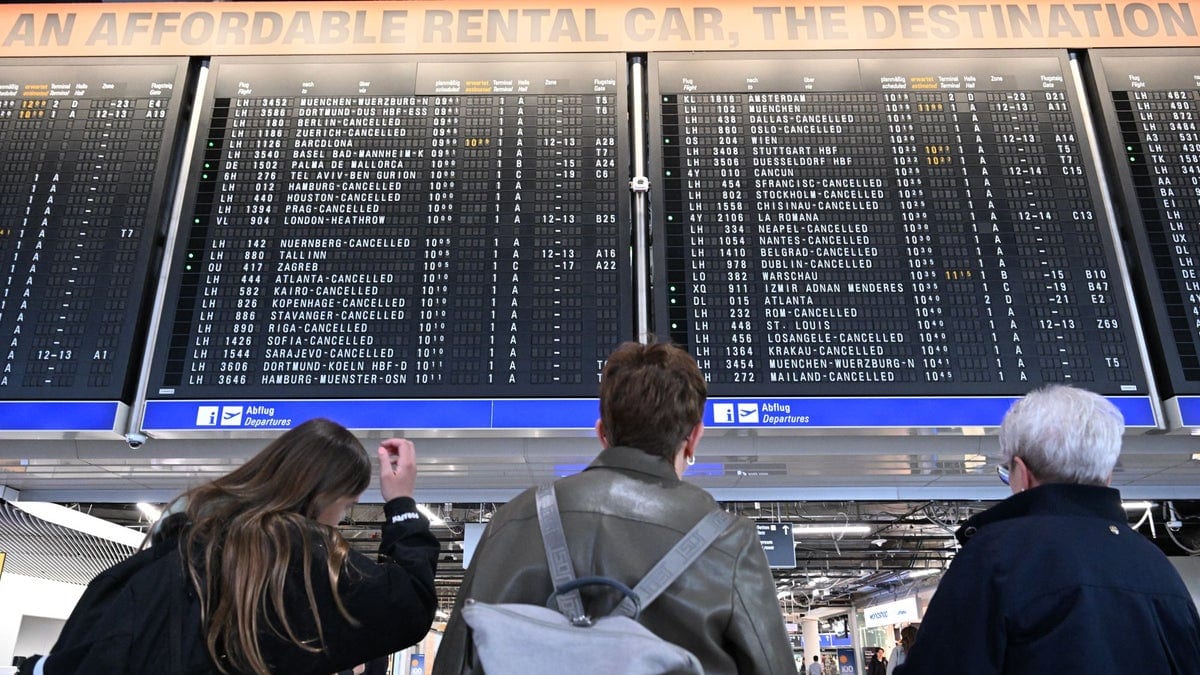
Major hubs hit as hundreds of flights are cancelled
Publicly available flight data and media reports indicate that Frankfurt and Munich, Lufthansa’s main hubs, were among the worst affected on Friday, April 10, with large sections of the carrier’s schedule wiped out. At Frankfurt, more than 500 flights were reportedly cancelled, while Munich also saw hundreds of services grounded as operations were pared back to a limited skeleton network.
The cabin crew walkout, called by the Independent Flight Attendants’ Organisation (UFO), ran for most of the day and targeted Lufthansa departures from the two hubs. The disruption rippled outward across Europe, as grounded aircraft and displaced crews made it difficult to maintain normal rotations on short and medium haul routes.
Regional subsidiary Lufthansa CityLine was also drawn into the dispute, extending the impact to additional German airports including Berlin, Hamburg, Stuttgart, Cologne, Düsseldorf, Hanover and others. With large numbers of intra-European connections funneled through Frankfurt and Munich, cancellations in Germany quickly translated into missed onward flights for passengers heading to destinations throughout the continent.
Travel tracking services showed widespread knock-on effects, with Frankfurt and Munich among the European airports reporting the highest numbers of cancellations and delays on Friday. Other carriers operating to and from the hubs also experienced schedule disruptions as air traffic controllers and airport operators adjusted to the reduced capacity.
Passengers stranded across Europe as connections unravel
The strike’s timing at the start of a busy spring travel period compounded the disruption. According to published coverage, more than 90,000 Lufthansa passengers were directly affected in Germany alone, with many more delayed as missed connections cascaded across European networks.
Travel and aviation outlets described crowded terminals, long queues at rebooking desks and information boards dominated by “cancelled” notices at Frankfurt and Munich. Passengers heading to and from cities such as London, Paris, Rome, Budapest and other major European destinations reported same-day cancellations and extended delays as the airline worked to consolidate remaining services.
Regional airports in neighboring countries also felt the strain. Publicly available information from Budapest indicated that all Lufthansa flights to and from the Hungarian capital on Friday were cancelled, reflecting the depth of the schedule cutbacks at the German hubs. Similar reports emerged from other European cities that rely heavily on Lufthansa for feeder services into its Frankfurt and Munich networks.
With limited spare capacity across airlines during peak times, many travelers were forced to accept rebookings days later, alternative routings on partner carriers, or overnight stays near hub airports. Travel forums and social media posts highlighted confusion over changing itineraries and difficulties accessing support channels as call centers and digital platforms struggled with heavy demand.
Pay dispute at heart of latest Lufthansa labor clash
The walkout is the latest in a series of labor disputes to hit Lufthansa this year, following earlier pilot strikes that had already disrupted operations. According to union statements reported in the German and international press, the cabin crew action centers on demands for higher pay and improved working conditions amid persistent inflation and staffing pressures in the aviation sector.
Coverage of the negotiations indicates that UFO is seeking significant wage increases and structural changes to contracts, arguing that current conditions no longer reflect the realities of intensified workloads since the pandemic. Lufthansa, for its part, has publicly pointed to the financial impact of recent crises and strong competitive pressures in European aviation as constraints on its ability to meet all of the union’s demands.
Reports suggest that talks between the two sides had not produced a breakthrough prior to the strike, raising concerns among analysts that further industrial action could follow if no agreement is reached. The April walkout is described as the third major strike-related disruption involving Lufthansa staff this year, underlining the fragility of labor relations at one of Europe’s largest network carriers.
Industry observers note that Germany has experienced a broader wave of industrial disputes across transport and public services over the past two years, as unions seek to recover wage losses and secure improved terms following years of pandemic-related restrictions and high inflation. The latest Lufthansa cabin crew strike slots into that wider context of heightened labor activism.
Knock-on effects for European aviation and passenger rights
The Lufthansa stoppage has once again highlighted the vulnerability of Europe’s interconnected aviation system to labor disputes at a single large hub carrier. Because Frankfurt and Munich function as major transfer points linking Europe with North America, Asia and the Middle East, interruptions to Lufthansa’s schedule can quickly spill over into the operations of partner airlines and airport infrastructure across the region.
Travel experts note that passengers affected by cancellations or long delays related to the strike may in some cases be entitled to compensation and assistance under European air passenger regulations, depending on their itinerary and the specific circumstances of the disruption. Guidance published by consumer-rights organizations emphasizes that travelers should retain boarding passes and receipts, monitor their flight status, and review their eligibility for reimbursement of meals, accommodation and alternative transport.
In response to the strike, Lufthansa implemented a special rebooking policy, allowing many travelers to switch flights at no extra cost or shift to rail alternatives on certain routes within Germany. However, reports from passengers indicate that availability on alternative services was limited in many cases, particularly for those needing last-minute options or traveling in groups.
Airline and airport analysts suggest that it may take several days for Lufthansa’s network to fully normalize as aircraft and crew are repositioned and backlogs of disrupted itineraries are cleared. Travelers scheduled to fly through German hubs over the weekend and into early next week are being advised, in publicly available travel advisories, to check their flight status frequently and allow additional time for connections while operations stabilize.
Outlook for summer travel as negotiations continue
The scale of Friday’s disruption is raising questions about the reliability of European air travel heading into the peak summer season if the dispute at Lufthansa is not resolved. Analysts quoted in industry reports warn that repeated strikes risk undermining passenger confidence and pushing travelers to seek alternative routings on competitors perceived as less exposed to industrial action.
Union representatives and airline management have both signaled, in public statements cited in recent coverage, that they remain open to further talks. However, the distance between demands for substantial pay rises and the company’s cost containment priorities suggests that negotiations may be complex and drawn out.
For now, aviation specialists say the strike underscores the importance of contingency planning for travelers using major European hubs. Recommendations in travel advisories include booking longer connection times, monitoring union announcements, and considering flexible tickets or travel insurance products that explicitly cover strike-related disruptions.
With Friday’s walkout marking the third major labor-related interruption at Lufthansa this year, both the carrier and its passengers face an uncertain period. The outcome of the next rounds of bargaining will be closely watched across Europe’s aviation sector, where other airlines are also navigating tense wage negotiations and chronic staffing challenges.