

More news on this day
Travelers across the United States are facing another day of turbulence on the ground as disruption at Denver International Airport triggers 258 delays and 31 cancellations, isolating hundreds of passengers and snarling connections to Los Angeles, Dallas, Chicago, and numerous smaller cities on multiple carriers including SkyWest, United, Southwest, and Delta.
Get the latest news straight to your inbox!
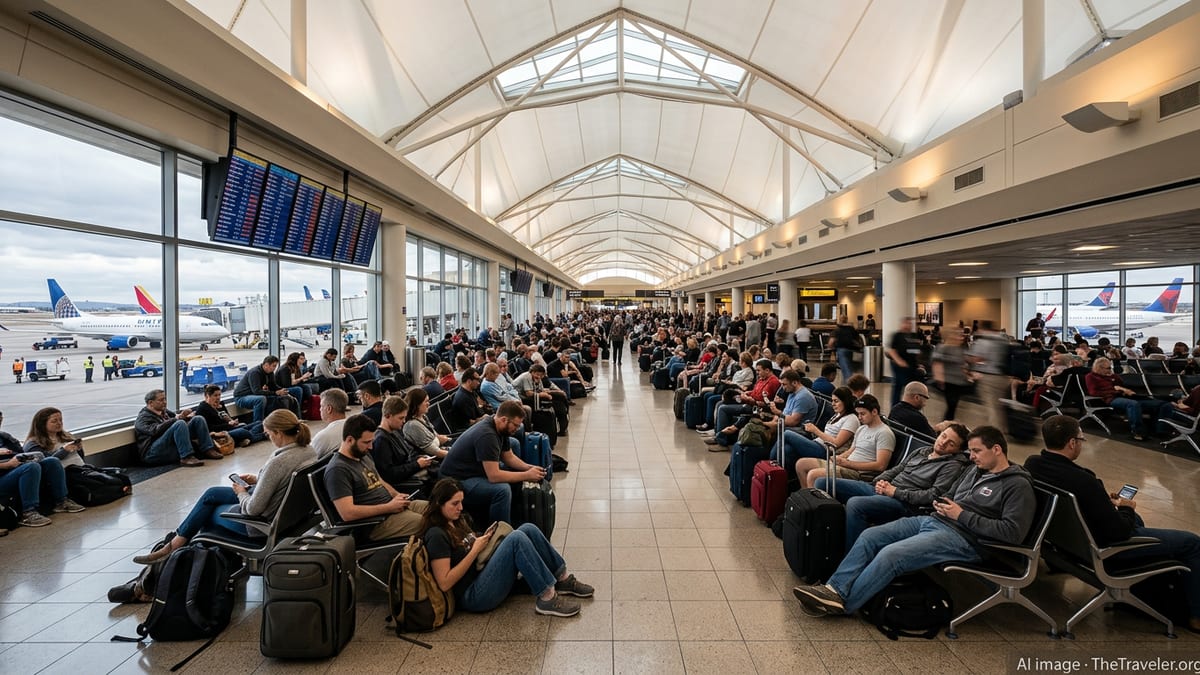
Operational Strain at a Key National Hub
Denver International Airport, one of the country’s busiest connecting hubs, has again become a chokepoint for domestic travel as delay and cancellation figures mount. Publicly available flight tracking data on March 17 indicate that 258 flights connected with Denver are delayed and 31 are canceled, affecting both departures and arrivals and leaving an outsized number of travelers stranded in the concourses.
The disruption is particularly significant because Denver serves as a critical mid-continent relay point for coast-to-coast traffic. Flights linking Denver with major hubs such as Los Angeles, Dallas, and Chicago are experiencing rolling delays, which in turn are complicating onward connections to secondary markets across the West, Midwest, and South. The pattern is leading to missed connections, unplanned overnights, and extended airport stays for passengers who had expected routine domestic journeys.
Reports from flight status dashboards show that the disruption is not limited to any single time band. Morning and mid-day waves have both seen pushed-back departure times, with knock-on effects expected into the evening. As aircraft and crews fall out of position, recovery is likely to be gradual rather than immediate, increasing the risk of additional schedule changes through the remainder of the day.
Travel industry analysts frequently highlight Denver’s combination of high elevation, expansive airfield layout, and exposure to rapidly changing weather as factors that can quickly constrain operations. When delays accumulate at a hub of this scale, capacity for absorbing even minor issues can diminish, leaving airlines little flexibility to reposition aircraft or crews in time to protect later departures.
SkyWest, United, Southwest, and Delta Among the Hardest Hit
Data from flight tracking services show that SkyWest, United, Southwest, and Delta are among the most heavily affected operators, reflecting their substantial presence at Denver and on key routes linking the airport to other major hubs. SkyWest, which operates many regional connections under major airline brands, is experiencing clustered delays on shorter routes that feed larger networks, intensifying the impact for travelers attempting to make tight connections.
United, which maintains a large hub operation at Denver, is seeing delays ripple across its banks of departures to Los Angeles, Chicago, and numerous Midwest and Mountain West destinations. Publicly available schedules indicate that United’s network structure through Denver means even modest disruptions can cascade, with a late-arriving aircraft from one city quickly translating to a late departure to several others.
Southwest, which also runs a robust schedule through Denver, is showing a high volume of delayed departures on flights that typically shuttle travelers between Denver and major business and leisure markets. According to published coverage and user reports, Southwest’s point-to-point model can sometimes complicate recovery because a single delayed aircraft may be scheduled to serve multiple cities in sequence, magnifying the effect of a single operational problem.
Delta’s flights through Denver appear to be less numerous but still meaningfully affected, especially where regional partners are involved. Delays on these services are contributing to missed onward connections at other Delta hubs, particularly for travelers routing through Denver as an intermediate point on longer domestic itineraries.
Los Angeles, Dallas, Chicago and Beyond See Ripple Effects
The impact of Denver’s schedule problems is being felt prominently at other major airports. Flight status boards at Los Angeles International, Dallas Fort Worth, Dallas Love Field, and Chicago’s O’Hare and Midway show clusters of delayed arrivals and departures tied to Denver-originating or Denver-bound services. For many travelers, this means crowded gate areas, longer-than-expected waits, and shrinking buffers for onward connections.
Chicago in particular is seeing a double effect, with delayed Denver flights feeding into already busy mid-day and evening peaks. Published airline performance data for recent disruptions suggest that flights into tightly scheduled hubs such as Chicago and Dallas are especially vulnerable to additional stacking on the ground as air traffic control manages congestion and runway availability.
Downstream, travelers headed for smaller regional airports are also feeling the consequences. Because many of these destinations rely on a limited number of daily flights, a single delay or cancellation in Denver can translate into a missed day of travel or an unplanned overnight stay far from home. Regional jets operated by SkyWest and other carriers serve as the main link between smaller communities and the broader national network, making them particularly sensitive to upstream disruptions at hubs.
Airport operational metrics from recent years underline how central Denver has become to domestic travel patterns, with tens of millions of passengers using the airport annually to connect between coasts, border regions, and interior states. When a hub of this scale experiences even short periods of constraint, the resulting ripple can reach virtually every region of the United States within a matter of hours.
Passengers Face Long Waits, Missed Connections, and Limited Options
For travelers on the ground, the operational statistics translate into long lines, extended waiting periods, and difficult decisions about whether to stick with original itineraries or seek alternatives. Social media and forum posts from passengers at Denver and other affected airports describe crowded seating areas, gate changes, and repeated departure time adjustments as airlines attempt to consolidate flights and reassign aircraft.
Publicly available information from airline customer policies shows that options for rebooking can vary widely depending on ticket type, route, and the cause of disruption. Some travelers are being moved onto later same-day departures where seats exist, while others with more complex itineraries, including international connections beyond Los Angeles, Dallas, or Chicago, are facing rebookings that extend their travel by a day or more.
The situation is particularly challenging for travelers with tight onward connections, limited flexibility at their destinations, or obligations such as cruises, events, or work commitments scheduled shortly after arrival. With hotel availability near major hubs often tightening during large-scale disruptions, reports indicate that some passengers are choosing to remain inside terminal buildings overnight to stay close to rebooked flights.
Consumer advocates note that disruptions at a single hub can also strain airline call centers, mobile apps, and customer service desks, lengthening the time it takes for passengers to secure new arrangements. When multiple carriers are simultaneously affected at the same airport, customer service resources can become stretched, adding another layer of frustration for those seeking timely information or assistance.
What Travelers Can Expect in the Coming Hours
Based on patterns from similar episodes at Denver and other large hubs, recovery from the current wave of disruptions is likely to unfold gradually rather than through an immediate return to normal operations. Even after weather or initial constraints ease, aircraft and crews often remain out of position for several scheduling cycles, which can keep delay figures elevated into subsequent departure banks.
Published operational analyses indicate that airlines typically prioritize restoring core trunk routes between major hubs first, followed by rebuilding connectivity to smaller and leisure-focused markets. This means flights linking Denver with Los Angeles, Dallas, and Chicago may stabilize earlier than services to regional airports, even though some level of delay may persist on the busiest routes while backlogs clear.
Travel experts frequently recommend that passengers traveling through Denver during periods of disruption monitor flight status closely through airline channels, allow additional time for connections when possible, and be prepared for gate changes or aircraft swaps. While day-of-travel adjustments can be inconvenient, flexible planning and early awareness of schedule changes can help reduce the risk of missed flights and unplanned overnight stays.
As airlines work to realign their fleets and crews, travelers can expect conditions at Denver and connected hubs to remain dynamic throughout the day. The scale of the current disruption, combined with Denver’s central role in the domestic network, suggests that impacts may continue to be felt on routes across multiple regions before operations fully stabilize.