

More news on this day
Numerous flight cancellations at New York’s John F. Kennedy International Airport in recent days have disrupted travel for thousands of passengers, as severe weather systems and wider airspace issues ripple through one of the United States’ busiest international gateways.
Get the latest news straight to your inbox!
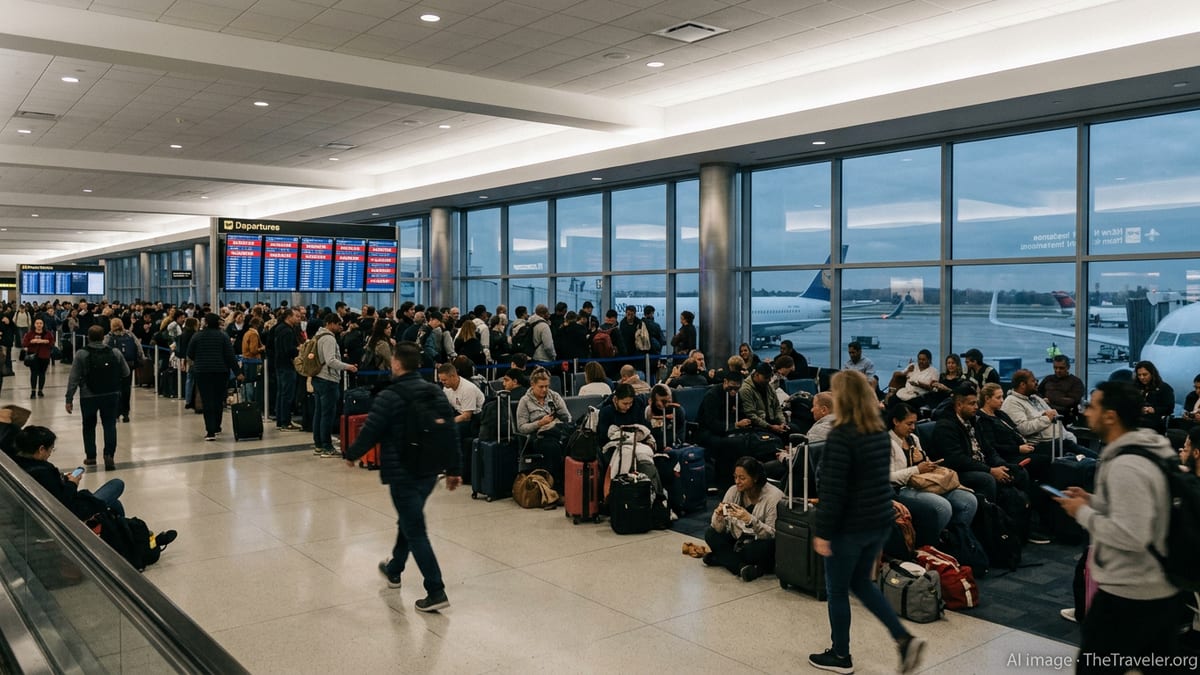
Stormy Weather and Wider Airspace Turmoil Hit Schedules
Published coverage indicates that a powerful March storm system affecting large parts of the United States has played a significant role in recent airline disruptions, with knock-on effects visible at major East Coast hubs including John F. Kennedy International Airport. The complex weather pattern, bringing snow, heavy rain, and high winds to different regions at varying times, has prompted airlines to adjust schedules, reposition aircraft, and, in many cases, cancel flights altogether.
Reports on the broader storm impacts across North America describe thousands of flights canceled nationwide over several days, a pattern that typically cascades into New York–area airports where many long-haul and domestic connections converge. When aircraft and crews are stranded or out of position elsewhere, JFK’s extensive international network can quickly experience delays and cancellations, even when local weather conditions appear manageable.
At the same time, ongoing airspace disruptions linked to geopolitical tensions and temporary flight restrictions in other parts of the world are adding further complexity to airline operations. Publicly available information on recent airspace closures in the Middle East and other regions suggests that reroutings, extended flight times, and schedule changes have tightened aircraft availability for some long-haul services into and out of New York.
As a result, passengers at JFK are encountering a mix of weather-related cancellations, operational knock-on effects from other airports, and international route changes that together are driving an unusually high number of grounded flights across multiple airlines and destinations.
How Departures and Arrivals at JFK Are Being Affected
According to live flight status boards and airline advisories, the heaviest disruption at JFK is concentrated in specific time windows and on certain routes, rather than a complete halt to operations. Many early-morning and late-evening departures, particularly those requiring tight aircraft turnarounds or long sectors, have faced elevated cancellation risk as airlines attempt to stabilize their schedules.
Long-haul international flights are especially vulnerable when weather or airspace issues affect earlier legs of multi-stop journeys. If an incoming aircraft is delayed or rerouted due to storms or closed airspace, the subsequent departure from JFK may be pushed back or canceled entirely. Passengers booked on connecting itineraries via European, Middle Eastern, or Asian hubs have reported disrupted travel plans as these global schedule adjustments filter through.
Domestic operations are also feeling the strain. When storms impact major inland hubs or other East Coast airports, carriers often proactively trim their schedules to reduce congestion and limit the risk of aircraft and crews being stranded. That strategy, while intended to keep core operations safe and manageable, can leave JFK travelers with fewer same-day alternatives and tighter seat availability on remaining flights.
Published data on on-time performance for New York–area airports shows that even under normal conditions, JFK handles a complex mix of international wide-body traffic and dense domestic banks. In periods of severe weather and widespread cancellations, that complexity magnifies the impact for travelers who may experience multi-leg disruptions rather than a single delayed flight.
What Stranded Passengers Can Do Right Now
For passengers already at JFK or due to travel in the next few days, publicly available consumer guidance from airlines and regulators emphasizes one principle above all: check flight status frequently and directly with the operating carrier. Schedules shown by online travel agencies or older confirmation emails may not reflect rolling changes driven by storms and airspace issues.
Many airlines serving JFK have activated flexible travel policies during recent severe weather episodes, allowing affected customers to change dates or routes without standard change fees, subject to fare rules and seat availability. These waivers typically apply to tickets on specific travel dates and may require rebooking within a defined window, so travelers are encouraged to review the exact terms on the airline’s official channels.
Passengers who experience cancellations also have rights under existing U.S. Department of Transportation regulations, particularly when it comes to refunds for flights that are not operated. Publicly available DOT materials explain that if an airline cancels a flight, passengers are generally entitled to a refund of the unused portion of their ticket if they choose not to travel, even when the ticket is labeled nonrefundable. Rebooking, vouchers, and credit options may also be offered, but these work differently than cash refunds.
At the airport itself, long lines at service counters can be expected when there are widespread cancellations. Travelers who have access to airline mobile apps or websites often find it faster to request rebooking digitally, while continuing to monitor standby options or alternative airports in the New York region. Some carriers also provide self-service kiosks at JFK that can assist with same-day itinerary changes.
Planning Upcoming Trips Through JFK in the Days Ahead
For those with upcoming departures or arrivals at JFK, travel planners are advising more buffer time and contingency thinking than usual. With storms and route disruptions creating a more fragile network, even minor schedule changes elsewhere can quickly ripple into East Coast operations, especially on heavy travel days and peak hours.
Travel industry analysis suggests that building in additional time between connections, especially when moving between international and domestic terminals, can reduce the risk of misconnecting. Where possible, selecting earlier flights in the day may improve options for same-day rebooking if irregular operations continue, since later departures often have fewer backup choices once delays accumulate.
Publicly available guidance from airlines and airports further recommends that passengers ensure contact details are up to date in their bookings so that automated alerts about delays, gate changes, or cancellations are received promptly. Enrolling in flight-status notifications via text or app alerts can provide earlier awareness of disruptions than waiting for airport departure boards.
For travelers with flexible dates, monitoring fare calendars and seat maps over the coming week can also be useful. If certain days show notably lighter loads or fewer cancellations, adjusting travel by even 24 to 48 hours may significantly reduce the likelihood of disruption at JFK while the wider system continues to recover.
Key Takeaways for International and Domestic Travelers
The recent pattern of cancellations at John F. Kennedy International Airport reflects the intersection of multiple stressors on global aviation rather than a single, isolated issue. Severe North American weather, ongoing international airspace complications, and the inherent complexity of New York’s air traffic environment are combining to challenge airline reliability, particularly for long-haul and tightly timed connections.
For international travelers, the most significant vulnerability lies in multi-leg journeys that depend on smooth operations across several regions. A storm affecting a Midwestern hub or a restriction along a transcontinental route can trigger delays or cancellations at JFK hours later. Domestic passengers, meanwhile, may find that short-haul flights are preemptively canceled or consolidated as airlines concentrate resources on core trunk routes and long-haul commitments.
Despite the disruptions, most carriers continue to operate a substantial share of their scheduled flights to and from JFK, and operations can improve quickly once weather systems move on and aircraft are repositioned. The challenge for passengers is navigating the period of volatility while minimizing the risk of extended delays and unexpected overnights at or near the airport.
Staying informed, acting quickly when schedule changes appear, and understanding available refund and rebooking options remain the most practical tools for travelers facing numerous cancellations at JFK. As conditions evolve over the coming days, flexible planning and close attention to airline communications will be essential for anyone relying on New York’s largest international airport for upcoming journeys.