

More news on this day
Mediterranean tourism hotspots Mallorca and Crete are poised for a busy Summer 2026 as travel giant TUI expands flight capacity to Spain and Greece, responding to strong early demand and shifting traveller preferences across Europe.
Get the latest news straight to your inbox!
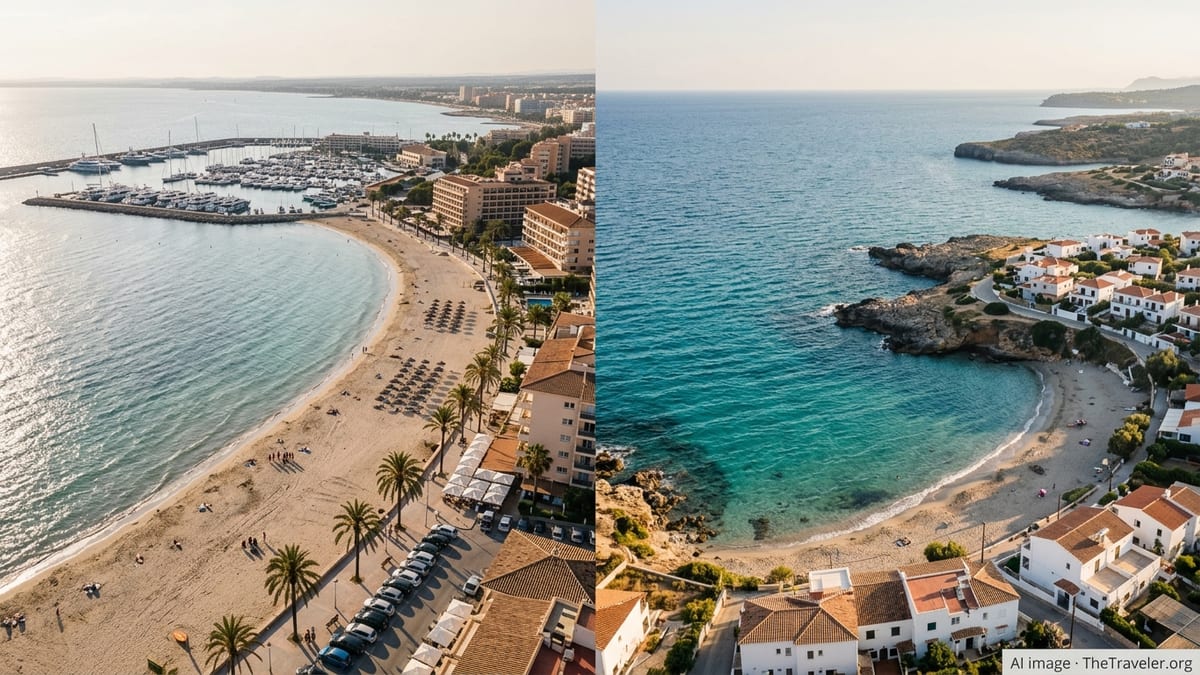
Stronger Demand Puts Spain and Greece in the Spotlight
Publicly available information on TUI’s summer 2026 program indicates a robust schedule of more than 560 weekly connections to Mediterranean and long-haul leisure destinations, with Spain and Greece among the main beneficiaries. The operator’s planning centres on its major German bases, including Düsseldorf, Frankfurt, Hanover, Munich and Stuttgart, underpinning a broad network of flights into key holiday islands such as Mallorca and Crete.
Reports from European travel trade publications highlight that Greece is emerging as a particular bright spot for 2026, with pre-bookings from the German market increasingly rivaling those for Spain. Within Greece, Crete ranks consistently among TUI’s top island choices, alongside Rhodes and Kos, reflecting a continued shift toward longer-stay, sun-and-sea holidays paired with cultural excursions.
Spain remains a cornerstone of TUI’s portfolio, with Mallorca at the heart of Balearic operations. Airport schedules and route guides for 2025 and 2026 show Palma de Mallorca repeatedly included in seasonal programs from regional airports in the United Kingdom, Ireland and Germany, pointing to a strategy that spreads capacity across multiple departure points rather than relying solely on major hubs.
This combination of strong advance demand and diversified departure options is laying the groundwork for a significant surge in visitor numbers to both Mallorca and Crete during the 2026 high season, particularly between late May and the end of October.
Extra Capacity on Key Island Routes
Recent route information and airport schedules suggest that TUI is reinforcing its island networks through additional frequencies and chartered capacity. For Greece, Crete is a focal point, with earlier seasons already showing increased lift via charter arrangements on carriers such as Austrian Airlines for routes to Heraklion and Chania. While those specific additions were tied to 2024, the pattern provides a template for how extra capacity can be layered into TUI’s 2026 plans as demand builds.
For Summer 2026, TUI has already confirmed a significantly expanded Greek program, including around 180 weekly flights to Greek islands from its German bases, which covers Crete alongside other popular destinations. This scale of operations positions Heraklion and Chania as major gateways, ensuring that package holiday capacity aligns with the surge in early bookings and the growing popularity of Greek island travel among German and other European customers.
On the Spanish side, Mallorca is receiving sustained attention across several regional markets. Airport schedules for 2025 and 2026 show TUI flights to Palma from airports such as Bournemouth and Belfast City, as well as other regional hubs, with timelines extending into the 2026 summer season. In the United Kingdom, flight guides list Palma de Mallorca as a recurring seasonal route operated by multiple leisure airlines, with TUI among the featured carriers, indicating continued or increased capacity on this core Mediterranean pairing.
Together, these network decisions point to an incremental but meaningful build-up of seats into both Mallorca and Crete. Rather than relying on a single flagship route, TUI appears to be distributing additional flights across secondary airports, helping to relieve pressure at major gateways while capturing demand from travellers who prefer to depart closer to home.
Pre-Bookings Signal a Busy Summer 2026
Tourism-focused coverage from Greece and Germany notes that bookings for Summer 2026 are trending ahead of previous years, particularly for island destinations. Reports indicate that Greece is enjoying a strong surge in advance reservations from German travellers, with Crete among the standout choices. This aligns with TUI’s own emphasis on the island within its published island portfolios and destination marketing.
Spain remains highly competitive, with Mallorca holding its position as a tried-and-tested favourite for couples, families and multi-generational groups. Travel trade reporting from airports and tourism bodies across the UK and Ireland consistently references strong uptake on Palma routes, from the relaunch of flights at Southampton and Belfast City to sustained operations out of regional English airports. This creates a feedback loop in which robust demand justifies more frequencies, and extra flights in turn stimulate additional bookings.
The broader macro-environment is also playing a role. With travellers increasingly prioritising predictable sunshine, short flight times from Northern Europe and well-developed resort infrastructure, both Mallorca and Crete fit neatly into current preferences. Package holidays, including those bundled with TUI-operated flights, are proving attractive amid ongoing cost-of-living concerns, as they allow customers to lock in prices ahead of time and reduce uncertainty around accommodation and transfers.
As a result, industry observers expect high load factors on many of the new and existing routes to these islands in 2026, especially during school holiday periods and key summer travel weeks from late June through August.
Regional Airports Benefit from Network Expansion
One notable aspect of TUI’s strategy for Summer 2026 is the emphasis on regional connectivity. Official flight guides and airport brochures for the 2025 to 2026 period at several European airports illustrate how Mallorca and Greek island services are being woven into schedules from smaller gateways, not just national hubs.
In the United Kingdom, for example, airport materials for Bournemouth and Newcastle outline seasonal services to Mediterranean destinations, including Heraklion in Crete and Palma de Mallorca, operated by TUI and other leisure airlines. Similar patterns appear in Ireland, where recent seasons have seen TUI introduce or expand routes such as Shannon to Palma, and in Germany, where Paderborn/Lippstadt and other regional airports are connected into the tour operator’s Mediterranean network.
These additions create a more accessible route map for travellers based outside major metropolitan areas, reducing the need for long surface journeys to larger airports. For island destinations such as Mallorca and Crete, this can broaden the catchment area and support tourism growth beyond traditional core markets, bringing a wider mix of visitors into established resort regions and lesser-known coastal towns.
Airport operators also benefit from this approach, with increased seasonal traffic contributing to passenger numbers and supporting ancillary revenues from retail, parking and ground services. The alignment of TUI’s package offering with these routes helps to stabilise demand, making it easier for airports and local tourism partners to plan for the 2026 peak season.
Tourism Outlook for Mallorca and Crete
The ramp-up in flights for Summer 2026 coincides with broader efforts by both Spain and Greece to manage tourism growth while maintaining destination appeal. Mallorca has been working to balance its reputation as a mass-market beach destination with an emphasis on sustainability, heritage and active travel. Increased flight capacity through tour operators such as TUI is likely to channel visitors not only to traditional resort areas like Palma Nova and Alcudia but also to inland villages and cycling or hiking regions promoted in recent years.
Crete, meanwhile, continues to market a blend of coastal relaxation and cultural discovery, from the archaeological sites near Heraklion to the Venetian architecture of Chania and the rugged landscapes of the island’s south coast. Additional flights feeding into Heraklion and Chania for 2026 will support both classic all-inclusive resort stays and more independent exploration, including road trips and village-based tourism.
Travel analysts note that the combination of increased airlift, diversified accommodation and a growing focus on experience-led travel is positioning both islands to capture a larger share of Europe’s summer leisure market. The steady expansion of TUI’s flight offering for 2026, particularly on routes linking regional airports with Mallorca and Crete, is expected to be a key driver of this momentum.
With bookings already open and capacity plans taking shape, Mallorca and Crete are set to be among the Mediterranean’s busiest and most closely watched destinations when the Summer 2026 season gets underway.