

More news on this day
Hundreds of travelers were left facing long waits and missed connections at Cairo International Airport as 254 flights were delayed and eight canceled in a sweeping disruption that rippled across key routes to Dubai, Riyadh, London and Istanbul, affecting services by EgyptAir, Saudi Arabian Airlines, Gulf Air and several other major carriers, according to publicly available flight data and local media reports.
Get the latest news straight to your inbox!
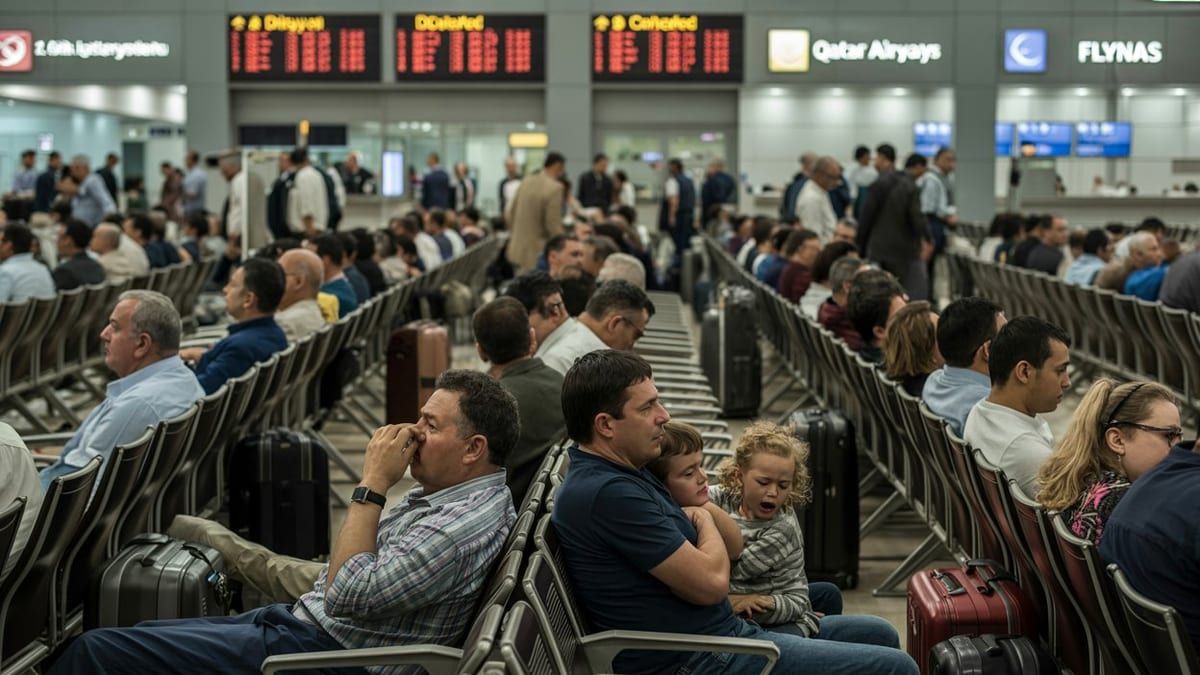
Image by Travel And Tour World
Wide Ripple Effect Across Major Middle East and European Hubs
Publicly available flight-tracking boards and local coverage indicate that the disruption at Cairo International built steadily through the day, with departure and arrival delays gradually stretching from under an hour to several hours for many services. The impact was felt most keenly on high-demand regional and long-haul corridors connecting Egypt with the Gulf and Europe.
Flights between Cairo and Dubai were among the most affected, with multiple departures sliding well behind schedule as aircraft and crews arrived late from earlier rotations. Passengers connecting in Dubai for onward services to Asia, North America and Australia faced particular uncertainty, as rolling knock-on delays in the Gulf region complicated rebooking options and lengthened total journey times.
Services linking Cairo to Riyadh also experienced significant disruption. Data from regional aviation trackers showed both national and foreign carriers operating behind schedule on this busy business and expatriate route, forcing many travelers to rework plans around meetings, onward domestic flights and religious travel within Saudi Arabia.
European links did not escape the chaos. Flights between Cairo and London, a key market for both leisure and student travel, saw extended delays that pushed some departures into late-night or early-morning windows. Istanbul, another major hub that funnels passengers between Europe, the Middle East and Asia, also recorded delayed arrivals and departures tied to the Cairo disruption.
EgyptAir, Saudi Arabian Airlines and Gulf Air Among Airlines Hit
National carrier EgyptAir bore a substantial share of the disruption, as its dense network from Cairo depends heavily on tightly timed aircraft rotations. Publicly available timetables and day-of-operations data showed numerous EgyptAir departures posting extended delays, which then cascaded into subsequent sectors when aircraft arrived late back to Cairo.
Saudi Arabian Airlines, which operates frequent services connecting Cairo with Riyadh and Jeddah, was also heavily exposed. Industry monitoring sites recorded late-running flights in both directions, with some passengers reporting missed onward connections and extended waits in transit areas as they awaited updated departure times or rebooked itineraries.
Gulf Air, the Bahrain-based carrier that links Cairo with Gulf hubs and onward long-haul destinations, was among the other regional airlines affected. Its operations depend on synchronized banked connections in the Gulf, and late arrivals from Cairo risked leaving travelers stranded between sectors or requiring rerouting through alternative cities when timings no longer aligned.
Other major international airlines operating out of Cairo, including carriers serving London and Istanbul, encountered similar operational strain. While most chose to operate delayed rather than cancel outright, the cumulative effect of late turns across multiple airlines left terminal departure boards crowded with red "delayed" notices and passengers uncertain about when they would depart.
Operational Strain and Regional Airspace Constraints Add Pressure
Aviation analysts following the situation pointed to a combination of operational strain and broader regional airspace complications as key factors behind the unusual volume of delays and cancellations. In recent weeks, several Middle East carriers have been grappling with longer routings and tighter crew schedules linked to shifting airspace permissions and congestion on alternative corridors.
When an airport such as Cairo experiences even modest disruption in this context, the knock-on effects can become magnified. Aircraft arriving out of slot from other congested hubs tend to trigger a chain reaction, forcing ground handlers, air traffic control and airline operations centers to reorder departure priorities and adjust rotations in near real time.
Publicly accessible industry commentary has also highlighted how crew duty-time limits can quickly force airlines to delay or cancel services once schedules start to slip. If a flight arrives several hours late into Cairo, a fresh crew may be required before the aircraft can depart again, and that crew may itself be delayed or out of position because of earlier network disruptions.
These interconnected factors help explain why the disruption translated not only into 254 delayed flights but also eight outright cancellations. In several instances, maintaining a heavily delayed departure may have risked breaching regulatory limits on crew hours or further destabilizing next-day schedules, leading airlines to consolidate passengers on later flights or reroute them through alternative hubs.
Passengers Face Missed Connections, Overnight Stays and Changing Itineraries
Travelers caught up in the disruption at Cairo International reported a familiar set of challenges, from missed connections to unplanned overnight stays. With delays affecting many departures to Dubai, Riyadh, London and Istanbul, passengers relying on onward services from those hubs often found that their onward flights departed before they could arrive, particularly on tightly timed itineraries.
In line with standard industry practice, airlines appeared to prioritize rebooking stranded travelers on the next available services, either on their own metal or, where interline agreements allowed, on partner carriers. However, publicly shared accounts suggested that seats on peak-time flights were limited, forcing some passengers to accept multi-stop routings or longer layovers in order to reach their final destinations.
Accommodation and meal arrangements varied depending on airline policies, ticket type and whether delays crossed into overnight hours. Some passengers described being provided with hotel vouchers and transport to nearby properties when delays pushed departures into the following day, while others remained in terminal seating areas as they waited for updated information on new departure times.
Travel advisors observing the situation encouraged affected passengers to closely monitor airline apps and airport information screens, noting that in dynamic disruption events, departure times can change multiple times in a single day. They also pointed out that many carriers have temporarily relaxed change-fee policies on affected routes, allowing travelers whose flights remained technically scheduled to voluntarily rebook to later dates.
Ongoing Monitoring as Carriers Work to Normalize Schedules
By late evening, indications from aviation tracking platforms and regional media suggested that airlines operating through Cairo International were gradually stabilizing same-day operations, even as residual delays remained on a number of services. Turnaround times improved as more aircraft and crews returned to planned positions, allowing carriers to clear some of the backlog of late-running flights.
Industry observers cautioned, however, that the full impact of the disruption may continue to be felt for at least another operational day, particularly on long-haul routes and on itineraries involving complex connections through Dubai, Riyadh, London and Istanbul. Even when flights depart, extended block times and congested arrival banks at downstream hubs can still create fresh delays and missed connections.
Publicly available information suggested that airlines would continue to adjust capacity in the short term, deploying larger aircraft on some departures from Cairo and Gulf hubs to accommodate rebooked passengers, and in some cases adding supplementary services once aircraft and crew became available. Such measures are intended to work through the backlog while minimizing further schedule volatility.
Travelers with upcoming departures from Cairo were advised, based on the latest published guidance from carriers and airports, to arrive early, verify their flight status repeatedly on official channels, and be prepared for possible gate changes or revised departure times. While the situation showed signs of gradual improvement, the day of 254 delays and eight cancellations underscored how quickly regional and operational pressures can converge to disrupt one of North Africa’s busiest aviation gateways.