

More news on this day
Hundreds of travellers across Australia and New Zealand have been left stranded or facing long delays as a rolling wave of disruptions hits major hubs from Melbourne and Sydney to Auckland and Wellington, with publicly available data indicating more than 800 flights delayed and dozens cancelled across multiple carriers.
Get the latest news straight to your inbox!
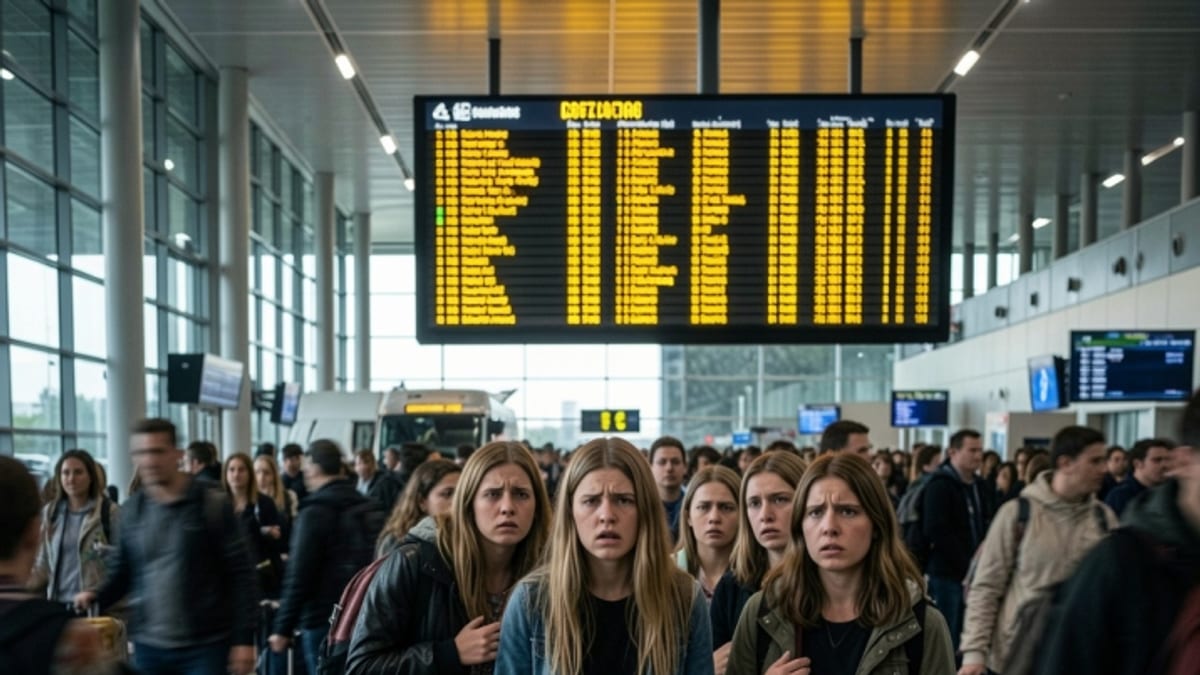
Image by Travel And Tour World
Major Hubs Across Australia and New Zealand Grind to a Halt
Passengers at Melbourne, Sydney and Brisbane airports reported extensive queues, missed connections and overnight waits as delays cascaded across tightly scheduled domestic and trans-Tasman networks. On the New Zealand side, Auckland and Wellington saw similar scenes, with crowded departure halls and limited spare seats on alternative services.
Publicly available flight-tracking data for late March indicates that at least 806 services experienced significant delays, with around 45 flights cancelled outright across the region over a short window. The impact was felt most acutely on trunk routes linking Melbourne, Sydney and Brisbane, as well as heavily trafficked corridors between Australia and New Zealand.
The disruptions have affected a mix of business travellers, holidaymakers and those making long-haul connections to Asia, North America and Europe. With school holidays and northern winter schedules overlapping, many services were already close to full before delays began to escalate, limiting options for rapid rebooking.
Reports from major airports describe long lines at service desks, shortages of same-day alternatives and passengers being forced to wait many hours for updated departure times as airlines and airports worked through congested schedules.
Multiple Carriers Caught in the Same Operational Squeeze
The turbulence has not been confined to a single airline. Qantas, Virgin Australia, Network Aviation, Jetstar and Air New Zealand have all appeared with elevated delay and cancellation counts on public tracking dashboards, alongside smaller regional and charter operators that connect remote communities to major hubs.
Domestic performance reports already show the sector under strain, with one in four Australian flights running late in recent periods and low but persistent cancellation rates across several major airlines. Industry analyses by government agencies and competition regulators have highlighted a mix of factors, including tight crewing, high aircraft utilisation and ongoing recovery from earlier pandemic-era cuts.
For Air New Zealand, the current wave of disruption comes on top of a published programme of fuel-related schedule reductions that is expected to affect tens of thousands of passengers through early May. In Australia, regional subsidiaries such as Network Aviation play a key role feeding passengers from mining towns and remote centres into larger networks, meaning localized cancellations can quickly spill over into national totals.
Travel forums and social media posts suggest that no single carrier has been immune, with passengers documenting similar experiences of rolling delays, last-minute gate changes and limited information while waiting for aircraft or crew to become available.
Weather, Fuel Constraints and Network Complexity Drive Delays
While individual causes vary by flight, several underlying pressures appear to be converging. Seasonal weather, including storms and strong winds, has regularly disrupted operations on Australia’s east coast and around New Zealand’s more exposed airports, forcing temporary ground stops or requiring longer separation between takeoffs and landings.
In New Zealand, the airline’s own updates and subsequent coverage have linked a significant number of cancellations to jet fuel supply constraints, prompting pre-emptive schedule cuts to ensure remaining services can operate reliably. In Australia, recent cyclone activity and associated heavy rain along parts of the Queensland coast have periodically disrupted regional flying and created knock-on effects for aircraft positioning.
Operational complexity is amplifying these shocks. Modern airline networks rely on tight aircraft rotations and shared crews. When one early-morning flight is delayed or cancelled, the impact can propagate through multiple subsequent legs, carrying disruption from smaller centres into major cities by afternoon and evening.
Airport congestion and air traffic control flow restrictions are also recurring contributors, particularly at slot-constrained hubs such as Sydney, where even minor perturbations can trigger multi-hour delays during peak periods.
Passengers Face Long Waits, Patchy Support and Limited Rights
For affected travellers, the most immediate issues have been uncertainty and access to timely assistance. Reports from Melbourne, Sydney, Auckland and Wellington describe long waits to speak with staff at service counters and call centres, with some passengers turning instead to airline apps and online rebooking tools in search of available seats.
Consumer advocates in both countries have frequently pointed to gaps in passenger protections. In Australia, the draft national airline passenger charter discussed in recent coverage would require airlines to provide alternative transport and basic care for long delays but would not mandate direct compensation for time lost or missed connections. New Zealand regulations give passengers some entitlements where disruptions are within an airline’s control, but weather and certain operational challenges can fall outside those rules.
Travellers caught in the latest disruptions have been sharing practical advice online, including keeping digital boarding passes handy, monitoring flights through multiple sources, and proactively seeking rerouting options through less congested airports or on partner airlines when available.
Accommodation and meal support has varied by carrier and cause of delay, with some passengers reporting hotel and voucher offers for overnight disruptions, while others have described paying out of pocket in order to secure a bed for the night near major hubs.
What Disruptions Mean for the Months Ahead
The latest wave of delays and cancellations highlights the fragility of trans-Tasman and domestic aviation networks at a time when demand is approaching or surpassing pre-pandemic levels. Capacity remains finely balanced, and any combination of weather, fuel, staffing or technical issues can tip operations into widespread disruption.
Industry observers note that airlines are gradually increasing fleet and crew resources, but new aircraft deliveries, maintenance backlogs and training pipelines all take time to translate into more robust day-to-day performance. In the interim, carriers are likely to continue actively managing schedules, trimming less profitable services and consolidating lightly booked flights to maintain reliability on core routes.
For travellers planning trips between Australia and New Zealand in the coming weeks, publicly available guidance suggests building extra time into itineraries, especially where same-day international connections are involved. Booking earlier departures, allowing longer layovers and considering travel insurance that covers delays and cancellations may help reduce the risk of becoming stranded.
As airlines, regulators and airports review the latest disruption data, pressure is likely to grow for clearer communication, more consistent care standards and long-term investment in infrastructure and staffing, in an effort to ensure that scenes of crowded terminals and rolling delay boards become less frequent across Melbourne, Sydney, Brisbane, Auckland, Wellington and beyond.