

More news on this day
Travelers across North America are facing a fresh wave of air travel chaos as severe weather and operational disruptions trigger extensive delays and cancellations from Montreal to major leisure hubs including Cancun, Tulum, Orlando, and Vancouver.
Get the latest news straight to your inbox!
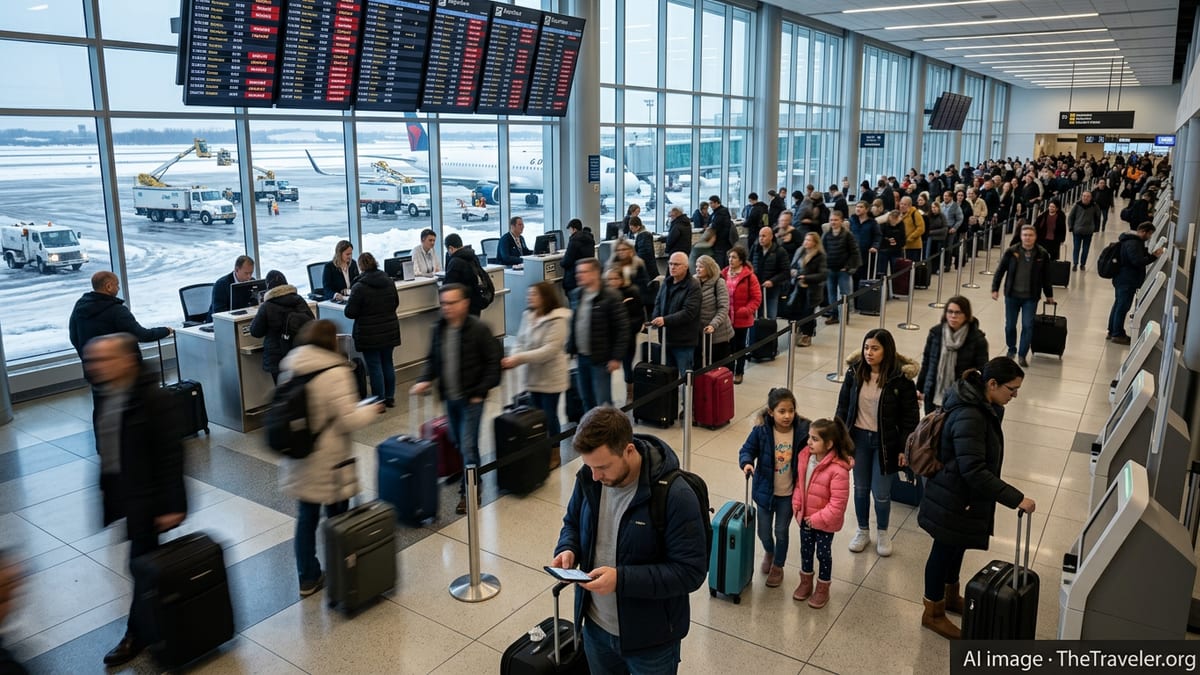
Montreal-Trudeau at the Center of a New Wave of Disruptions
Montreal–Trudeau International Airport has emerged as one of the hardest-hit hubs in the latest round of disruptions, with reports indicating at least 124 newly delayed flights and 80 cancellations in a single operational period. The knock-on effects are being felt not only across Canada but also throughout key sun destinations and major U.S. gateways.
Publicly available airport and airline status boards show Montreal struggling to reset schedules following a series of winter-weather systems and continuing operational constraints. The mix of snow, ice, and high winds earlier in the season left many carriers with stretched crews and equipment, and the latest disruptions are compounding that fragile recovery.
Flight data suggests that services to and from Mexico, Florida, and the U.S. West Coast are among the most affected, with some routes facing multiple rolling delays before eventually being canceled. Travelers connecting through Montreal on their way to resort destinations are particularly vulnerable, as missed onward connections reduce rebooking options later in the day.
The backlog is also affecting inbound passengers, with arriving flights frequently landing well behind schedule and, in some cases, diverting to alternate Canadian airports when conditions or constraints at Montreal–Trudeau tighten.
Ripple Effects in Cancun, Tulum, Orlando, Vancouver and Beyond
The problems at Montreal–Trudeau are amplifying an already fragile travel environment across North America. Popular leisure destinations such as Cancun, Tulum, Orlando, and Vancouver are seeing full flights, limited spare capacity, and crews already operating at the limits of their duty windows.
Travel forums and social media posts describe passengers stranded at Mexican beach airports after northbound flights to Canada and the United States were delayed or scrubbed, leaving travelers scrambling for scarce hotel rooms and last‑minute seats. Some reports reference multi-day waits for the next available departure back to Montreal or Toronto.
In Orlando and other Florida airports, publicly accessible tracking tools show a pattern of delayed departures to Canadian hubs, often attributed to aircraft arriving late from weather-affected cities or awaiting rested crews. This has left theme-park visitors and cruise passengers facing long lines at customer service desks and uncertainty about when they will get home.
On the West Coast, Vancouver has experienced its own share of turbulence, with recent operational disruptions to and from Mexican resorts such as Puerto Vallarta contributing to a shortage of available aircraft and crews. Even when local weather is clear, those upstream issues have been feeding into fresh rounds of delays and last-minute schedule changes.
Weather, Crewing and Network Complexity Behind the Chaos
Recent severe winter weather across large swaths of North America has been a major driver of this latest episode of disruption. A series of storms in January and February left airlines juggling widespread cancellations, extensive de-icing operations, and reduced runway capacity at major hubs. While those storms have passed, their effects continue to ripple through airline schedules.
Industry analyses note that modern airline networks are highly interconnected, meaning a delayed or canceled aircraft in one city can quickly cascade into missed rotations across several others. When major hubs such as Montreal face elevated disruption levels, far-flung destinations like Cancun, Tulum, Orlando, and Vancouver can see knock-on effects hours or even days later.
Staffing and crew-positioning challenges remain another key factor. After years of tight labor markets and rapid demand recovery, many carriers have little margin when crews time out due to earlier weather delays or extended ground holds. This can turn an otherwise routine delay into an outright cancellation when there are no replacement pilots or flight attendants available.
Operational recovery is further complicated by full peak-season loads to sun destinations. With planes already flying close to capacity, airlines have limited flexibility to re-accommodate disrupted travelers on the next flight, escalating the scale and duration of the disruption for individual passengers.
What Travelers Need to Know and Do Right Now
For travelers with upcoming flights to or through Montreal, or to major leisure hubs like Cancun, Tulum, Orlando, and Vancouver, the most important step is to monitor flight status repeatedly in the 24 hours before departure. Airline apps and airport departure boards tend to reflect changes sooner than generic search engines, and schedules may adjust multiple times before a final decision is made.
Publicly available consumer guidance in Canada and the United States highlights that passengers may be entitled to reimbursement of meals, hotels, or alternative transport in certain circumstances, particularly when disruptions fall within an airline’s control such as mechanical or crewing issues. Weather-related cancellations are often treated differently, so travelers are being advised in published coverage to review the specific contract of carriage for their airline and, where applicable, any new passenger rights frameworks adopted in 2025 and 2026.
Travel insurance and credit card protections can also play an important role. Many independent advisories recommend keeping receipts for hotels, meals, ground transportation, and essential purchases in case they can be claimed later. Travelers are also encouraged to document communications with their airline via app messages or email so they have a clear record of what was offered or promised.
At the airport level, reports from recent disruption days suggest that passengers who proactively explore alternative routings, such as connecting via Toronto, Ottawa, Calgary, or U.S. hubs, often secure earlier departures than those waiting for a single nonstop option to resume. However, given the scale of the current disruptions, even alternative routings may be heavily subscribed.
Planning Ahead for a Volatile Spring Travel Season
With the broader North American and Caribbean aviation network still sensitive to weather, staffing, and infrastructure shocks, travel experts quoted in recent coverage are warning that volatility is likely to persist into the spring shoulder season. The combination of lingering winter storms, strong demand for beach destinations, and constrained airline capacity could mean more days of elevated delays and cancellations.
Prospective travelers are being urged by consumer advocates to build more buffer time into their itineraries, particularly when connecting to cruises, tours, or long-haul flights from another hub. Arriving a day early, opting for morning departures when operations are typically more stable, and avoiding extremely tight connections can all reduce the odds of trip‑ending disruption.
For those already on the road, staying flexible is critical. Published travel advice emphasizes the importance of having backup lodging options in mind, using airline apps or websites to rebook instead of standing in long airport queues, and remaining prepared for last‑minute gate and schedule changes. In the current environment, even travelers flying from airports with clear skies can be affected by storms or operational issues thousands of kilometers away.
As Montreal–Trudeau and other major hubs work through the backlog from this latest surge of 124 new delays and 80 cancellations, passengers across Canada, the United States, Mexico, and beyond are likely to feel the consequences for several days. Those planning upcoming trips through affected cities should remain alert, informed, and ready to adjust their plans at short notice.