

Mexico is more than postcard beaches and colorful fiestas. It is a country where family ties run deep, time is flexible, hospitality is sincere, and daily life blends ancient traditions with modern urban energy. For travelers, understanding these cultural rhythms is as important as knowing where to find the best tacos. From greetings and table manners to how people spend Sundays with family, Mexican culture offers rich, nuanced customs that shape every interaction. Learning them will not only help you avoid missteps, it will open doors to warmer, more genuine connections wherever you travel in the country.
Foundations of Mexican Culture and Identity
Modern Mexico is built on a fusion of Indigenous civilizations, Spanish colonial influence and contemporary global currents. Nahua, Maya, Zapotec, Mixtec, Purépecha and many other Indigenous cultures continue to shape language, food, festivals and beliefs, especially outside the largest cities. At the same time, Spanish remains the dominant language and Catholicism the primary religion, with local customs and pre-Hispanic elements woven through both. The result is a society that can feel traditional and modern at once, where a high-tech office worker might still join grandparents for a weekly family meal and participate in centuries-old religious processions.
National identity is strongly tied to history and place. Many Mexicans feel deep pride in pre-Hispanic cultures such as the Aztec and Maya, in the struggle for independence and revolution, and in the country’s artistic legacy, from muralism to contemporary cinema. This pride rarely appears as loud nationalism in everyday conversation, but it is evident in the way people talk about regional food, local festivals, or a favorite football team. Regional identity is particularly strong: someone from Oaxaca, Yucatán or Jalisco may see themselves first through that regional lens, then as Mexican, and only later as Latin American or North American.
Despite significant social and economic diversity, there are common cultural threads that run across regions. Strong family networks, a relaxed approach to time in social settings, and a preference for cordial, face-to-face communication are widely shared. Religion, whether practiced formally or in more cultural ways, continues to influence holidays, rites of passage and community life. Yet Mexico is also increasingly urban, digitally connected and young, especially in major metropolitan areas like Mexico City, Guadalajara and Monterrey, where global trends mix with local custom.
Visitors often notice a contrast between the country’s vibrant public spaces and more private home life. Plazas, markets and streets can be crowded, noisy and lively late into the evening, while inside the home there is often a strong sense of privacy and formality toward guests. Understanding this balance between public conviviality and private reserve helps explain why invitations to a home are considered important signs of trust and friendship.
Family, Community and Social Connections
Family sits at the heart of Mexican life. The concept of familismo describes the deep loyalty and mutual support expected among relatives, often extending well beyond the nuclear family to include cousins, godparents, close family friends and even neighbors. Decisions about careers, marriage, migration or financial support are frequently discussed collectively, and it is common for several generations to stay in close contact or share the same household, especially in smaller towns.
Sunday has a special place in the weekly rhythm. Many families gather for a long midday meal, sometimes called la comida del domingo, which can stretch from mid-afternoon into the early evening. These gatherings are as much about conversation and connection as they are about food. Children play while adults talk politics, sports, family news or shared projects. For travelers, seeing families dressed up strolling through plazas, visiting churches, or lining up at ice cream stands on a Sunday offers an authentic glimpse into this communal tradition.
Friendship circles tend to be close-knit and enduring. Many people maintain school friendships into adulthood, and social life often revolves around these long-standing groups. Newcomers may initially find it hard to penetrate established circles, but once included, they are usually treated with remarkable warmth. Hosts often go out of their way to make visitors feel comfortable, offering food and drink and insisting that guests relax while they handle the details.
Community ties extend beyond family and friends into the broader neighborhood. In many areas, people know their neighbors by name, keep an eye on each other’s children and visit small, family-run shops regularly. Local fiestas, patron saint celebrations and civic events draw neighbors into the streets and public squares. For travelers staying in residential districts rather than resort enclaves, this neighborhood life can be one of the most memorable aspects of a trip.
Daily Rhythms, Mealtimes and Food Culture
Mexican daily life traditionally revolves around a different meal schedule than in many English-speaking countries, although patterns vary between urban and rural settings. A light breakfast in the early morning might be followed by a more substantial mid-morning snack. The main meal of the day, la comida, typically takes place in mid-afternoon, often between 2 and 4 p.m., and can last well over an hour. Dinner is usually lighter and eaten later in the evening, sometimes after 8 or 9 p.m., especially in cities. As work schedules and commutes change, some families now have their main meal in the evening, but the idea of a lengthy afternoon comida with family or colleagues remains culturally important.
Food is a cornerstone of identity and pride. Mexico’s cuisine, recognized internationally for its complexity, is still very much a part of everyday home cooking. Staples like corn, beans and squash are combined with chilies, tomatoes, herbs and regional ingredients to create a huge variety of dishes. Tortillas, usually made from corn, accompany many meals, and street food is an essential part of urban daily life. Tacos, tamales, quesadillas, tortas and regional specialties are often enjoyed standing at a stall or perched on a sidewalk stool, where conversation flows as easily as salsa.
Meals are also social rituals. The custom of sobremesa describes the unhurried time spent at the table after a meal, chatting over coffee or a digestive drink. In restaurants, this can last long after plates have been cleared. Staff generally do not rush guests away, and it is normal to linger. For travelers accustomed to quick service and fast table turnover, this slower pace can feel unusual, but joining in the sobremesa is one of the best ways to connect with local friends or hosts.
Drinks carry cultural meaning as well. Fresh fruit aguas, coffee, hot chocolate and a wide variety of regional spirits such as tequila and mezcal are woven into social life. Alcohol is present at many celebrations, but drinking to the point of losing control is generally frowned upon in polite company. Moderation and conviviality are valued, especially during family events or formal gatherings.
Etiquette, Greetings and Social Manners
Social etiquette in Mexico emphasizes warmth, courtesy and respect. Greetings are more elaborate than in some other cultures, and taking time to acknowledge each person individually is essential. When meeting for the first time or in more formal contexts, a firm handshake, direct eye contact and a polite phrase such as “Mucho gusto” are appropriate. Among friends and family, women often greet with a light cheek kiss, and men may exchange a handshake combined with a brief hug or shoulder pat. Skipping greetings or leaving a gathering without saying goodbye to each person can be perceived as abrupt or impolite.
Titles and respectful forms of address still matter, especially with older people or in professional contexts. Using “Señor,” “Señora” or professional titles such as “Doctor” followed by the last name shows respect, particularly at the start of a relationship. First names come into play once a more informal bond has developed. Polite set phrases such as “con permiso” when passing in front of someone, “buen provecho” when others are eating, or “salud” after a sneeze are small but appreciated courtesies in daily life.
Personal space is generally closer than in many Northern European or North American settings. Standing at what might be considered arm’s-length distance elsewhere can feel distant in Mexico, where gentle touches on the arm or shoulder during conversation are common among acquaintances. People tend to face each other directly while speaking and maintain more eye contact. Travelers who feel uncomfortable with this level of proximity can step back slightly and rely on a friendly but more formal handshake to set their boundaries.
Indirect communication is another hallmark of Mexican etiquette. People often avoid blunt refusals or harsh criticism in order to maintain harmony and avoid embarrassment. A hesitant “maybe,” a change of subject or phrases like “vamos viendo” can function as polite ways of saying no. Learning to listen for tone and context is helpful. Expressing anger or frustration loudly in public is generally frowned upon, while patience and a sense of humor are valued when plans shift or delays occur.
Time, Punctuality and the Pace of Life
Many visitors quickly encounter the cultural concept often informally called “Mexican time.” In social situations, time is treated flexibly. Arriving 30 minutes or even an hour after the stated start time of a casual gathering is common, and hosts rarely expect guests to appear at the exact hour printed on an invitation. Being significantly early, on the other hand, can put pressure on a host who is still preparing. This more relaxed approach to time reflects a priority placed on relationships and presence over strict schedules.
In professional settings, expectations are somewhat different. Punctuality is increasingly important in business, especially in larger companies and international contexts. Foreign visitors are expected to arrive on time or a little early for meetings. Local counterparts may still arrive slightly late or need to reschedule at short notice, but such delays are usually explained and not meant as a sign of disrespect. Flexibility and patience go a long way, and relationship-building over coffee or lunch is often just as important as the agenda itself.
Language reflects this flexibility. Words like “ahorita,” which literally suggests “right now,” can mean anything from “in a few minutes” to “later today” or even “when it becomes possible.” The exact meaning depends on tone, context and the relationship between speakers. Understanding that such phrases express intention rather than precise timing helps visitors interpret daily interactions more accurately.
Public services and transport can also reflect this rhythm. Buses may not always adhere strictly to printed timetables, and lines at banks or government offices may move slowly. Locals often bring something to read or chat with others while they wait. Accepting this different pace, rather than battling it, tends to make travels in Mexico far more enjoyable.
Religious Life, Festivals and Symbolic Traditions
Religion and ritual are deeply embedded in Mexican culture, even among those who do not regularly attend church. Catholicism remains the dominant faith, but it often blends with Indigenous beliefs and practices at the local level. Many homes display small altars with images of the Virgin of Guadalupe, saints or family memories, and it is common for people to mark important moments such as births, weddings, graduations and new homes with blessings or religious ceremonies.
The calendar is filled with religious and civic festivals that shape community life. Christmas and Easter are widely observed, but so are local fiestas patronales, in which each town or neighborhood honors its patron saint with processions, masses, music, food stalls and fireworks. The Day of the Dead, usually marked in late October and early November, is one of the most emblematic traditions. Families create altars with photos, candles, marigolds and favorite foods of departed loved ones, visit cemeteries and share stories that keep memory alive. While the imagery can appear somber or dramatic to outsiders, the atmosphere is often affectionate and celebratory.
These festivals are not just spectacles for visitors. They reinforce social bonds, give structure to the year and express a distinctly Mexican way of blending joy and melancholy. Participation can range from devout involvement to more cultural observance, especially among younger generations, but the shared experience remains important. Travelers are generally welcome to observe and, when invited, to take part, provided they act respectfully, dress modestly in religious spaces and avoid intrusive photography during solemn moments.
Symbolic gestures also appear in everyday life. Making the sign of the cross when passing a church, thanking a saint for a favor received, or asking for a blessing before a long journey are common practices in many regions. Even in the largest cities, where daily life resembles that of other global metropolises, traces of these traditions can be seen in street shrines, religious murals and pop-up markets selling candles and devotional items near major churches.
Dining Etiquette, Tipping and Service Culture
Sharing food is one of the most important ways Mexicans welcome others, and understanding basic dining etiquette helps visitors show appreciation. When invited to a home, it is polite to bring a small gift such as pastries, chocolate or flowers, and to compliment the host’s cooking. Many hosts serve generous portions, and leaving a small amount on the plate at the end of a meal may be interpreted as a sign that you are satisfied, while finishing everything can signal you might still be hungry. If you truly cannot eat more, a warm “estaba delicioso, muchas gracias” helps avoid offense.
At the table, meals often begin with a brief “buen provecho” from the host, inviting everyone to start eating. In restaurants, saying “buen provecho” as you pass by occupied tables is a friendly gesture. Utensil use follows an international style, but many traditional foods, such as tacos or tostadas, are eaten with the hands, and attempting to use a knife and fork in those cases may look awkward. When in doubt, watch what locals do and follow their lead.
Tipping, known as propina, is a normal part of daily life in Mexico’s service economy. In sit-down restaurants, a tip of around 10 to 15 percent is widely considered standard, with a bit more in very touristy areas or for exceptional service. Some establishments may add a suggested gratuity to the bill, especially in resort zones, but this is not universal and it is acceptable to adjust the amount according to the service received. Tipping in cash, ideally in local currency, is often preferred by staff. For street food stands and informal eateries, leaving coins in a jar is appreciated but not always expected.
Beyond restaurants, small tips are customary for hotel staff, gas station attendants who clean your windshield, grocery packers and others who provide personal service. Taxi drivers usually do not expect a large tip, although rounding up the fare or adding a small amount for help with luggage is common. As in many countries, expectations can vary between regions and between local neighborhoods and highly touristic zones, so paying attention to what residents do and asking trusted locals for guidance is wise.
City Life, Public Spaces and Everyday Encounters
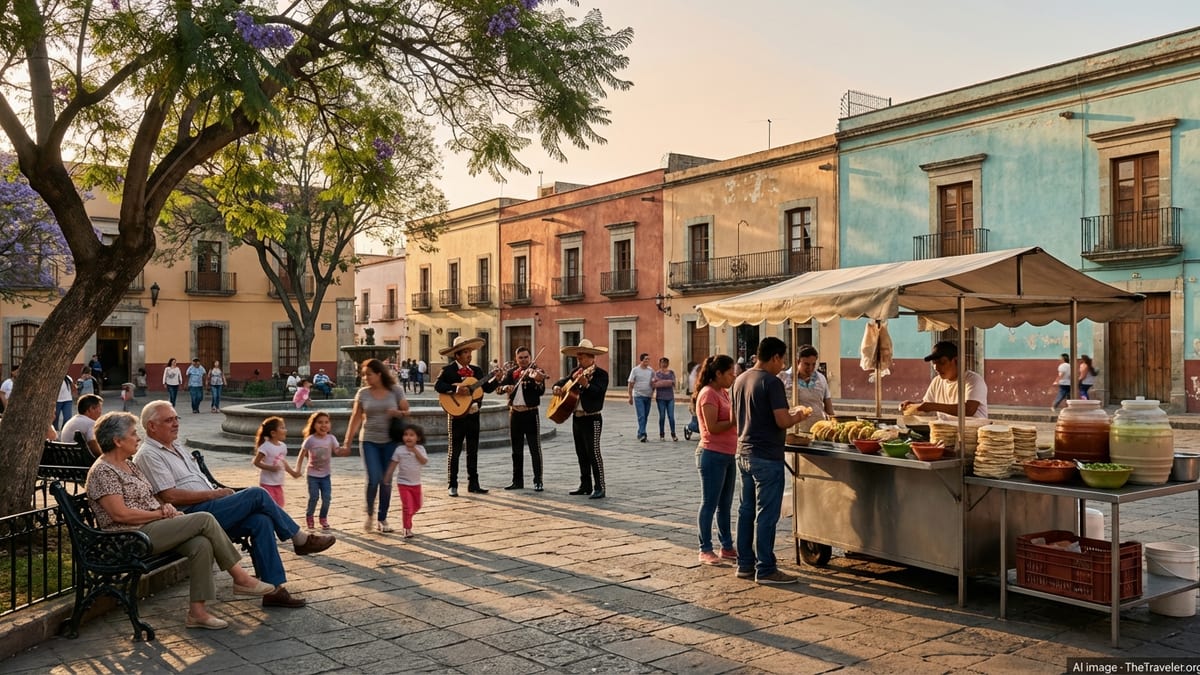
Urban life in Mexico can be both dynamic and surprisingly relaxed. Large cities such as Mexico City, Guadalajara and Monterrey buzz with traffic, commerce and culture, yet plazas and parks remain social anchors where people stroll, sit on benches, buy snacks from vendors and listen to street musicians. Even in smaller towns, the central square, or zócalo, is a favored place for evening walks, ice cream outings and casual people-watching.
Street vendors are a familiar presence, selling everything from snacks and beverages to phone accessories and handmade crafts. Interactions are usually friendly and straightforward. While bargaining is common in flea markets and souvenir stalls, it is less typical in fixed-price shops or for prepared food. When unsure, a simple “¿Cuánto cuesta?” and a smile help set the tone. Supporting small vendors is one way travelers can contribute directly to local economies, but it is also important to be mindful of personal belongings in crowded areas, as in any large city.
Public transportation varies widely across regions but is often busy and informal. On buses and metro systems, passengers commonly give up seats to older adults, pregnant women or people with disabilities. Loud conversations, music from mobile phones and spontaneous street performances are part of the experience. Many travelers find that riding public transport, when done with basic safety precautions, offers a vivid look into daily routines and social norms.
Safety considerations are part of everyday urban awareness for locals as well as visitors. Mexicans often share advice about which areas to avoid at night, where to use ride-hailing apps rather than street taxis, or how to handle interactions with unofficial parking helpers. Listening carefully to this local knowledge, and combining it with up-to-date official travel advisories, allows visitors to move around more confidently and respectfully.
The Takeaway
Understanding Mexican culture means looking beyond clichés of mariachis and margaritas to see how history, family, faith and community shape daily life. It is a society where relationships matter deeply, where time bends around conversations and shared meals, and where public festivals and private rituals coexist with smartphone screens and high-rise offices. Travelers who notice these layers and approach them with curiosity will find that doors open, strangers become guides and simple interactions at markets or bus stops turn into memorable exchanges.
Respectful behavior in Mexico is less about strict rules and more about attitude. Warm greetings, patience with flexible schedules, genuine interest in local traditions and willingness to adapt to different meal times or social expectations are all signals of goodwill. Mistakes are usually forgiven when accompanied by courtesy and a sense of humor. In return, visitors are often rewarded with invitations to family tables, insider tips on favorite neighborhood spots and a deeper appreciation for the complexity and warmth of Mexican life.
As Mexico continues to evolve, blending global influences with long-standing customs, these core cultural values remain remarkably resilient. For anyone planning a visit, taking time to learn the basics of etiquette, festivals, family life and day-to-day rhythms is one of the best investments you can make. It transforms a simple trip into a richer cultural exchange and leaves you with stories rooted not just in places, but in the people who give those places their meaning.
FAQ
Q1. How formal are greetings in everyday Mexican life?
Greetings are usually warm and somewhat formal at first. Handshakes, eye contact and polite phrases are common, with cheek kisses and hugs reserved for friends and family.
Q2. Is it rude to arrive late to social events in Mexico?
For casual social gatherings, arriving 20 to 60 minutes after the stated time is common and often expected, while arriving very early can inconvenience the host.
Q3. How important is family in Mexican culture?
Family is central to Mexican life, with strong loyalty and frequent gatherings that often include extended relatives, godparents and close family friends.
Q4. What are the main mealtimes in Mexico?
Many people have a light breakfast, a substantial mid-afternoon comida as the main meal, and a lighter, later dinner, although work schedules can modify this pattern.
Q5. How much should I tip in Mexican restaurants?
In sit-down restaurants, a tip of around 10 to 15 percent is widely considered customary, with slightly higher amounts in very touristic or upscale places.
Q6. Are religious festivals only for practicing Catholics?
No. While rooted in Catholicism, many festivals function as community events that include people with varying levels of religious practice and even primarily cultural participation.
Q7. Is it acceptable to eat street food in Mexico?
Street food is a cherished part of local life. Many travelers enjoy it safely by choosing busy stalls, observing hygiene and starting with cooked items.
Q8. How direct is communication in Mexico?
Everyday communication tends to be courteous and somewhat indirect. People often avoid blunt refusals, preferring softer language to preserve harmony.
Q9. What should I bring when invited to a Mexican home?
A small gift such as sweets, chocolates, wine or flowers is appreciated, along with sincere thanks and compliments for the host’s hospitality and cooking.
Q10. Do I need to speak Spanish to connect with locals?
Spanish is very helpful, but many Mexicans are patient with learners. Even basic phrases, used with respect and effort, can significantly deepen everyday interactions.