

More news on this day
After several seasons of record-breaking visitor numbers, Miami’s beach tourism machine is facing a new stress test in 2026 as recurring airport delays disrupt the flow of sun-seeking travelers into South Florida.
Get the latest news straight to your inbox!
Winter Disruptions Snarl a Key Gateway
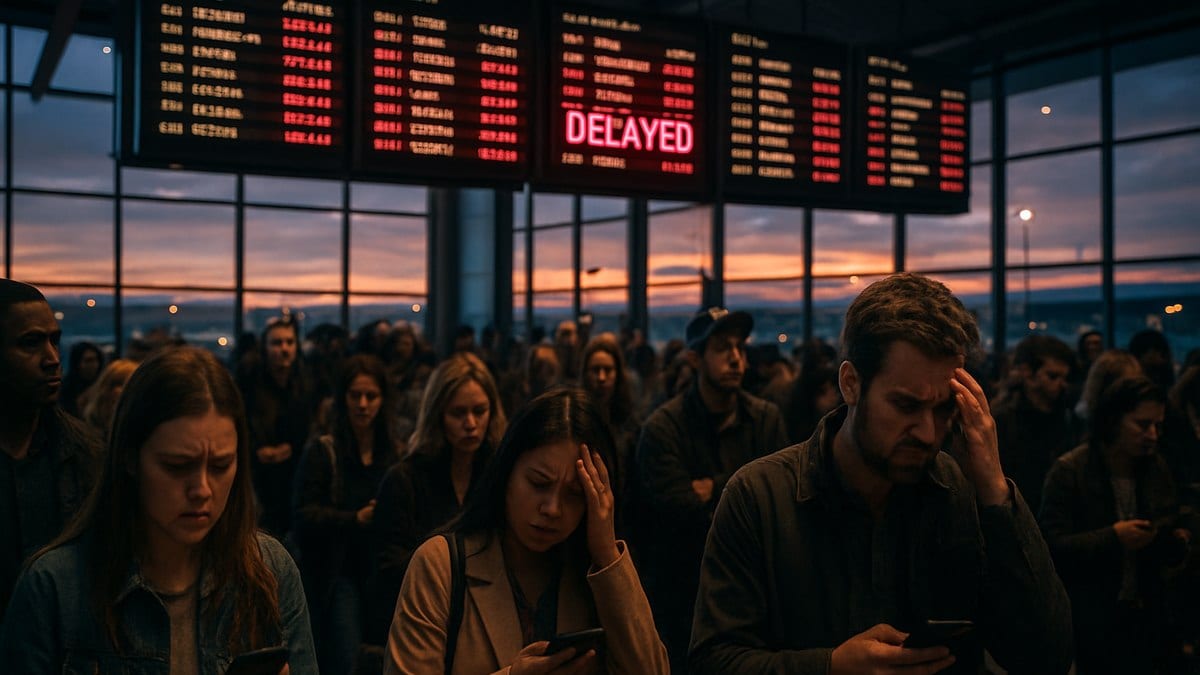
Miami International Airport entered 2026 under intense pressure, with a series of national and regional events converging on one of the country’s busiest gateways for winter beach vacations. In late January, a powerful winter storm sweeping across North America triggered one of the worst days for weather-related flight cancellations in recent U.S. aviation history, rippling across hubs and into South Florida-bound routes. Industry tracking data and national coverage of the storm pointed to tens of thousands of passengers stranded or rebooked, including many whose holidays were meant to start on Miami’s beaches.
Those weather problems arrived on top of earlier turbulence in the first days of January, when a major U.S. military operation in Venezuela led to widespread airspace restrictions across the Caribbean. Airlines proactively canceled or rerouted hundreds of flights, and localized coverage of conditions at Miami International Airport described crowded terminals and frustrated international passengers trying to rebook connections into South Florida.
By late February, a separate blizzard system bearing down on the Northeast and mid-Atlantic again put pressure on flights into and out of Miami. News reports on the storm highlighted extensive cancellations in New England and the New York region, but the impact radiated outward as airlines struggled to reposition aircraft and crews. Miami-bound travelers reported multi-hour queues, rolling delays, and overnight stays that cut into precious vacation time.
Real-time aviation dashboards show that day-to-day operations at Miami International Airport can still appear relatively smooth, with many periods of “no major delays” recorded in early April. Yet travelers and local observers describe a winter marked by sharp spikes of disruption, creating an unpredictable backdrop for an industry heavily reliant on reliable air access.
Beach Tourism Faces a Test of Resilience
The timing of this aviation turmoil is especially sensitive because Miami and Miami Beach remain in a period of elevated tourism demand. Local tourism briefs and economic snapshots indicate that the destination is coming off record or near-record visitor counts, with Greater Miami and Miami Beach welcoming more than 27 million visitors in 2023 and strengthening again through 2024. Private-sector outlooks for 2026 suggest Florida as a whole is on track for another year of visitor growth, with South Florida expected to draw tens of millions of travelers for beach vacations, cruises, and major events.
Hotel performance metrics show just how central that momentum has been. Local business coverage notes that Miami Beach’s tourism and hospitality sector entered 2026 with strong bookings, including some of the world’s highest hotel room rates around New Year’s Eve and peak-season occupancy levels in the 90 percent range on several dates. Such figures underline how dependent the local economy is on busy arrival halls at Miami International Airport.
The latest disruptions, however, are introducing fresh uncertainty for hotels, restaurants, and small businesses along Miami Beach and nearby coastal communities. Travel advisors and airport data services report that even short-lived clusters of cancellations can have long shadows, with missed connections leading to shortened stays, delayed check-ins, or last-minute cancellations. For operators that rely on high-paying winter visitors, lost nights in January and February can be difficult to make up later in the year.
Despite the headaches, early indicators do not point to a collapse in demand. Beachfront properties continue to report robust interest for spring and early summer, and visitor projections for 2026 remain positive. The question facing Miami’s tourism leaders is whether travelers will view this winter’s disruption as an aberration driven by extraordinary storms and geopolitical events, or as a sign that flying into one of the nation’s busiest leisure gateways is becoming more unpredictable.
Federal Turmoil and Staffing Strains Add to Delays
Behind the visible scenes of departure boards and packed gate areas, broader structural strains in the U.S. aviation system are complicating Miami’s travel picture. A partial federal government shutdown that began in mid-February has put pressure on security and air traffic staffing nationwide, with national news outlets reporting longer lines and sporadic staffing gaps at some larger airports. Academic and policy analyses of on-time performance trends in recent years show that security and system-level delays are increasingly visible contributors to overall disruption.
While Miami International Airport continues to post strong operational volumes, staffing-related slowdowns in other regions can cascade into South Florida, especially during busy holiday or event weeks. Reports from frequent travelers this March describe long security queues at peak times, along with suggestions to arrive earlier than usual for both domestic and international departures from Miami.
At the same time, Miami is pushing ahead with a transformative modernization agenda aimed at easing some of these structural pressures. Airport planning documents released in early 2026 highlight a 9 billion dollar multi-year capital program designed to upgrade terminals, replace aging infrastructure, and expand capacity. A newly announced 1 billion dollar expansion of Concourse D, for example, is expected to convert crowded ground-level regional gates into a full suite of traditional aircraft gates, with more passenger space and improved boarding processes.
These investments are intended to position the airport to handle tens of millions more passengers by 2040. In the short term, however, construction and phased renovations can add their own friction, with temporary closures, packed interim spaces, and shifting traffic patterns sometimes compounding delays during peak travel periods.
Spring Break, Events and a Crowded 2026 Calendar
Despite the rocky start to the year, Miami’s event calendar for 2026 remains dense, further raising the stakes for airport performance. Spring break season is already underway, and early reports out of Miami Beach point to a deliberate shift toward more controlled, wellness-focused programming in an effort to maintain order while still attracting high-spending visitors. Authorities have for several years layered on parking surcharges, checkpoints, and targeted marketing meant to discourage disorder while preserving the appeal of the beach for families and international tourists.
Later in the year, Miami will share in the global spotlight surrounding the 2026 FIFA World Cup, with matches scheduled across the United States and a surge in inbound international travel anticipated for South Florida’s training camps, fan festivals, and related events. The city is also preparing for major cultural and music gatherings, including the 26th edition of Ultra Music Festival, currently set for late March at Bayfront Park, which traditionally draws tens of thousands of visitors who rely heavily on air travel.
Each of these events compresses demand into windows where every canceled or delayed flight has an outsized impact. Travel industry analysts note that when load factors and hotel occupancy are already extremely high, rebooking disrupted passengers into remaining seats or vacant rooms becomes much harder. That dynamic could amplify the economic cost of future disruption episodes similar to those seen in January and February.
Businesses along Miami Beach’s iconic shoreline are responding by encouraging visitors to build more flexibility into their itineraries, recommending earlier arrivals ahead of major concerts, festivals, or playoff weekends. Some hotels and vacation rental operators are also revisiting cancellation and rebooking policies for guests whose trips are affected by airline decisions, mindful that a frustrating start or end to a beach holiday can influence whether travelers choose Miami again.
Long-Term Stakes for Miami’s Beach Economy
Miami’s experience in early 2026 underscores how closely its beach economy is intertwined with the reliability of its primary airport. Tourism studies and regional economic reports consistently describe tourism as one of Miami-Dade County’s foundational industries, supporting hundreds of thousands of jobs from baggage handlers and rideshare drivers to hotel staff, restaurant workers, tour operators, and cultural venues.
In recent years, Miami Beach has been repositioning itself toward higher-spend, experience-driven visitors rather than purely volume-driven party crowds. That strategy depends heavily on affluent domestic and international travelers who arrive by air, often on tight schedules and with limited tolerance for multi-day disruptions. Repeated episodes of winter turmoil, combined with national staffing strains, could test the patience of this audience over time if they become a recurring feature of the high season.
For now, projections for 2026 suggest that Florida and South Florida are likely to post another year of visitor growth, and Miami International Airport continues to invest in long-range capacity improvements. The short-term challenge lies in navigating the rest of the year without a repeat of January’s historic cancellation numbers or February’s blizzard-linked delays, especially as the region moves into hurricane season and an even busier event calendar.
Whether this winter’s disruptions ultimately register as a brief rough patch or as the start of a more volatile travel era will depend on how quickly aviation system stresses can be eased and how effectively Miami balances growth with reliability. For travelers weighing where to spend their next beach holiday, the promise of warm Atlantic waters and vibrant nightlife now comes with a new calculation about the odds of getting there on time.