

More news on this day
New Miami to Barcelona itineraries on several next-generation cruise ships are reshaping the transatlantic route, as cruise lines test festival-like experiences, flexible pricing and digital perks aimed squarely at Gen Z and millennial travelers.
Get the latest news straight to your inbox!
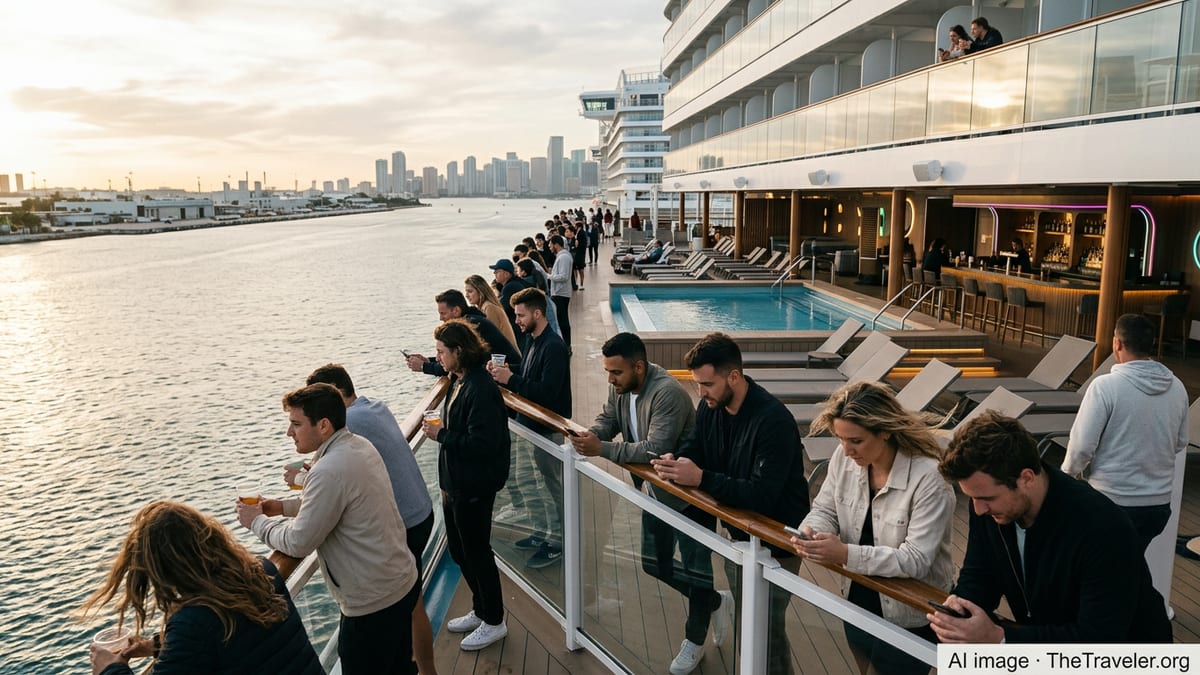
Transatlantic Route Turns Into a Lifestyle Testbed
Publicly available itineraries for 2025 and 2026 show a growing mix of repositioning and seasonal voyages linking Miami and Barcelona, traditionally seen as one-off crossings rather than headline products. Industry coverage indicates that cruise brands are now using these sailings to showcase upgraded hardware and new guest experiences, positioning the route as a floating lifestyle lab for younger travelers rather than a simple repositioning exercise.
Virgin Voyages has been among the most visible disruptors, marketing longer Miami to Barcelona crossings and reverse itineraries that emphasize late-night port calls, nightclub-style programming and an adults-only environment. Reports on recent and upcoming transatlantic sailings highlight bundled Wi-Fi, fitness-forward programming and casual dining concepts that mirror popular urban food halls, in a bid to match the expectations of digitally connected younger guests.
Other lines are also repositioning larger, amenity-rich ships between Florida and the western Mediterranean, underlining the route’s importance. Deployment posters and fleet calendars for Royal Caribbean, MSC Cruises and luxury brands show multiple Miami and Barcelona turnarounds, framing the crossing as part of broader networks that connect Caribbean party ports, private islands and marquee European cities that already resonate with younger travelers.
New Hardware Raises the Bar on Luxury and Play
A wave of recently delivered or refitted ships is central to the Miami–Barcelona story. Royal Caribbean’s latest Oasis and Icon class vessels, including Wonder of the Seas and the new Star of the Seas, feature expansive neighborhoods that blend resort-style pools, multi-level nightlife zones and immersive entertainment in a single floating platform. Promotional materials stress water slides, surf simulators and high-energy shows alongside redesigned suite enclaves and upgraded spa facilities.
For Gen Z and millennial travelers, this hardware shift narrows the line between mainstream and luxury. Balcony cabins and trendy bar concepts are now standard on ships doing transatlantic work, while premium suites offer private sun decks, concierge lounges and elevated dining that rival land-based boutique hotels. Marketing language from several brands describes these spaces less as cabins and more as “lofts” or “residences,” signaling how cruise operators are recalibrating for younger, design-conscious guests.
MSC Cruises is also leaning into yacht-inspired experiences alongside larger resort ships that appear on Miami–Barcelona deployment lists. Public information about MSC’s young adult offers and entertainment mix points to DJ-driven pool decks, street-food style venues and late-night programming layered on top of traditional European-style service, giving twenty- and thirty-something travelers more reasons to view the crossing as a social event rather than a quiet sea passage.
Pricing, Perks and Flexibility Designed for Younger Wallets
Published coverage of recent cruise deals shows that repositioning voyages between Barcelona and Miami can undercut shorter, peak-season Caribbean cruises on a per-night basis, especially in balcony cabins. Travel blogs and deal trackers have highlighted balcony staterooms on Virgin Voyages and other lines priced at levels that compare favorably with the cost of a long-weekend city break in a major European or U.S. destination.
At the same time, cruise lines are layering in targeted discounts and incentives, from young-adult offers on MSC Cruises to limited-time bundles that include Wi-Fi, specialty dining and bar credits. Online training materials and consumer guides note that some promotions allow younger travelers to lock in lower deposits, spread payments, or earn onboard credits that can be spent on fitness classes, mixology workshops and shore experiences.
Flexibility extends to itinerary design. Schedules released for 2025 and 2026 feature longer sailings that mix days at sea with calls in party-forward ports and cultural capitals, catering to travelers who can work remotely or combine vacation with flexible study and freelance commitments. Travel forums reflect rising interest from digital nomads and remote workers evaluating whether a two-week Miami–Barcelona cruise can double as both a relocation and a short-term co-working environment.
Onboard Culture Shifts Toward Nightlife, Wellness and Community
The onboard culture on many Miami–Barcelona sailings is increasingly tuned to the habits of younger adults. According to marketing materials and passenger accounts, Virgin Voyages has leaned heavily into festival-influenced nightlife, with roaming performers, themed events and late-night dining that stays open long after traditional main seatings would close. The brand’s “voyage” positioning, with no formal dress codes and flexible dining, is widely framed as a direct response to younger cruisers who value spontaneity over structure.
Royal Caribbean and MSC are adapting in their own ways. Royal Caribbean’s latest ships emphasize active recreation and shareable moments, from observation lounges and water slides to large sports complexes that host everything from bumper cars to roller skating. MSC, meanwhile, has promoted its party-friendly Mediterranean heritage, with music-forward lounges, open-air decks and itineraries that feature nightlife-heavy destinations such as Ibiza or late stays in Barcelona when schedules permit.
Wellness is emerging as a parallel pillar to nightlife. Spa complexes, outdoor fitness spaces and group classes are advertised prominently for upcoming crossings, reflecting an expectation that younger guests may move from sunrise yoga and cold-pressed juices to sunset DJ sets and craft cocktails on the same day. This dual focus aligns with broader lifestyle trends among Gen Z and millennials, where health-conscious routines coexist with interest in nightlife and social experiences.
Environmental Expectations Shape Next-Gen Luxury at Sea
Environmentally minded travelers are also exerting pressure on how cruise lines position luxury on the Miami–Barcelona corridor. New-build ships tied to the route, including LNG-powered vessels and energy-efficient prototypes, are marketed with references to reduced emissions and smart energy management. Cruise company sustainability pages outline investments in cleaner fuels, advanced waste treatment and shore power connections where available, all areas closely watched by younger demographics.
European port policies, particularly in Barcelona, are another key factor. Local restrictions have tightened on where larger ships can dock, with coverage noting moves away from berths located closest to the historic city center. For travelers, that shift changes the visual backdrop of arrival and can lengthen transfers into town, but it also underscores the growing role of urban policy in moderating cruise tourism, an issue that many younger travelers have signaled they consider when choosing itineraries.
For cruise lines, the combined pressure of guest expectations and regulatory oversight is informing ship design and itinerary planning on transatlantic routes. Energy-efficient hulls, alternative fuel capabilities and more thoughtful port sequencing are increasingly framed not as niche selling points but as essential components of modern luxury. As more Gen Z and millennial travelers look to cross between Miami and Barcelona by sea, these environmental credentials may become as central to the sales pitch as rooftop pools or headline entertainment.