


More news on this day
Flight operations at Miami International Airport are facing continued disruption after an Amazon-branded cargo jet overran a runway during landing, killing five people and injuring five others in a fiery crash that also struck vehicles near the airport perimeter.
Get the latest news straight to your inbox!
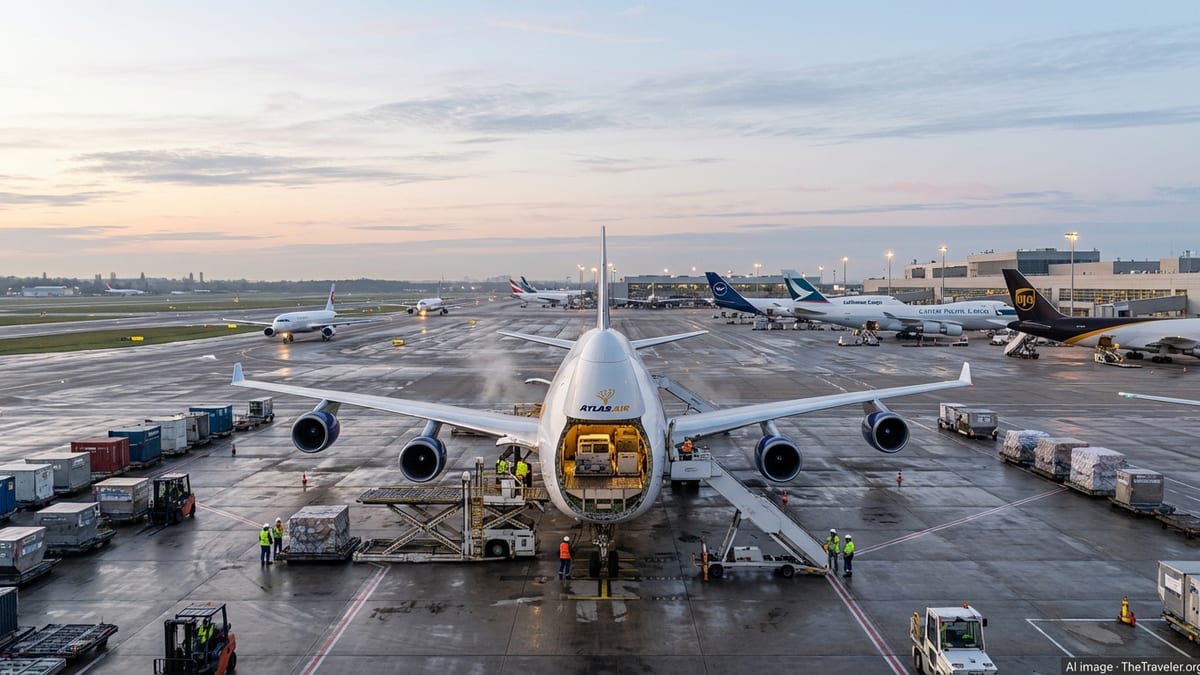
Runway overrun sparks cascading delays at major U.S. hub
Publicly available information shows that the accident occurred on Sunday afternoon, September 6, when a Boeing 767 cargo aircraft operating an Amazon Air service from Puerto Rico attempted to land at Miami International Airport and failed to stop within the available runway. The jet continued beyond the pavement, crossed a roadway and hit multiple vehicles before coming to rest in flames, leaving a trail of debris and a large emergency response around the northwest perimeter of the airfield.
Reports indicate that five people were killed and five others injured in the incident, including occupants of vehicles that were traveling on roads bordering the airport. Coverage from national outlets describes the aircraft as operating as Prime Air Flight 7598 for Amazon by North Carolina based cargo carrier 21 Air, part of the network that moves e-commerce packages through Miami’s busy cargo complex.
According to aviation specialists cited in industry coverage, the crash prompted an immediate ground stop at Miami International Airport on Sunday afternoon while emergency crews responded and investigators secured the scene. The halt in arrivals and departures, combined with the loss of one of the airport’s main runways, quickly translated into significant delays and cancellations across dozens of routes.
Two runways closed and schedule disruptions ripple outward
Freight and aviation trade reporting notes that two of Miami’s four runways remained closed into Monday morning as crews worked around the wreckage and assessed airfield damage. The overrun occurred on Runway 30, one of the airport’s key surfaces for both passenger and cargo operations, and the adjacent safety areas and approach equipment also required inspection.
With reduced runway capacity, the airport shifted traffic onto the remaining available runways, which created congestion during peak periods. Local television coverage and airport alerts cited ongoing delays and a rising number of cancellations on Monday, particularly on short-haul domestic and Caribbean routes that depend heavily on tight aircraft and crew rotations.
Flight-tracking data referenced by weather and news outlets indicated that roughly 250 flights experienced delays or cancellations on Sunday alone as a result of the ground stop and subsequent capacity constraints. Travelers connecting through Miami on Monday faced knock-on disruptions as aircraft arrived out of position and carriers adjusted schedules to account for longer taxi and hold times with fewer runways in use.
Impact on travelers and advice for upcoming flights
Local news organizations in South Florida reported images of crowded departure halls, long customer service lines and passengers attempting to rebook after their flights were delayed or canceled. With crews and aircraft scattered across the network following Sunday’s interruption, some travelers described multi-hour waits and overnight stays as airlines worked through the backlog.
Airport advisories reviewed by TheTraveler.org urge anyone flying into or out of Miami this week to monitor flight status closely before heading to the terminal. Passengers are being directed to check airline apps and websites for real-time updates, as conditions can change with short notice depending on weather, runway availability and the pace of the accident investigation at the crash site.
Travelers connecting onward to Latin America or the Caribbean through Miami might encounter longer layovers or re-routings via alternative hubs while airlines balance aircraft utilization. Industry analysts note that the airport already operates near capacity at peak times, so the temporary loss of runway infrastructure and the need to protect safety margins makes the operation more vulnerable to additional delays from summer thunderstorms or other routine disruptions.
Investigation focuses on landing, speed and braking conditions
According to published national coverage of the federal investigation, specialists from the National Transportation Safety Board and the Federal Aviation Administration are examining the jet’s flight data recorders, cockpit voice recorder and physical evidence from the runway and surrounding area. Early focus areas include the aircraft’s speed and touchdown point, braking performance, thrust reverser deployment and the weather and wind conditions present at the time of landing.
Public statements summarized in those reports indicate that the aircraft overran the end of the runway at relatively high speed before leaving the paved surface and crossing the road where it struck civilian vehicles. Investigators are expected to review maintenance records, crew training history and any possible issues with runway friction or standing water that might have affected stopping distance.
Amazon has acknowledged that the aircraft was operating within the Amazon Air network through a contracted carrier and expressed condolences for the victims, according to media reports. The company’s cargo operation relies on a mix of dedicated freighters flying under partner air operator certificates, a model that has drawn renewed attention from safety advocates after previous Amazon-related cargo accidents.
Broader questions about cargo operations at busy passenger hubs
The Miami overrun follows earlier cargo incidents associated with the Amazon network, including the 2019 crash of Atlas Air Flight 3591 near Houston, which investigators ultimately linked to pilot error. Aviation reference materials also note a long history of cargo accidents around Miami International Airport dating back to the 1990s, underscoring the complexity of mixing intense passenger traffic with heavy freighter operations on shared runways.
Analysts quoted in trade and mainstream outlets suggest that the latest crash is likely to renew scrutiny of approach and landing procedures for large freighters at major hubs, particularly regarding stabilized approaches, go-around decision making and runway overrun protection systems. Miami’s role as a key cargo gateway between the United States, Latin America and the Caribbean means that any extended runway restrictions could have implications beyond passenger travel, affecting supply chains for perishables and time-sensitive goods.
For now, public information indicates that two runways remain closed while investigators complete on-site work and airport engineers assess any structural damage. As additional details emerge from the investigation in the coming days and weeks, regulators, airlines and cargo operators are expected to evaluate whether additional safeguards or training changes are warranted to reduce the risk of similar runway overruns at high-traffic international airports.
Local 10: Delays, cancellations continue at MIA following Amazon cargo plane crash
FreightWaves: 2 Miami runways still closed after deadly Amazon cargo jet accident
ABC News: Investigation underway after Amazon cargo plane overrun at Miami airport
AccuWeather: At least 5 dead after Amazon cargo plane overruns runway in Miami