

More news on this day
A two-week ceasefire in the conflict involving the United States, Israel and Iran has prompted airlines to cautiously restore some Middle East services, yet widespread suspensions, diversions and airspace limits mean travelers still face a patchwork of disruptions across the region.
Get the latest news straight to your inbox!
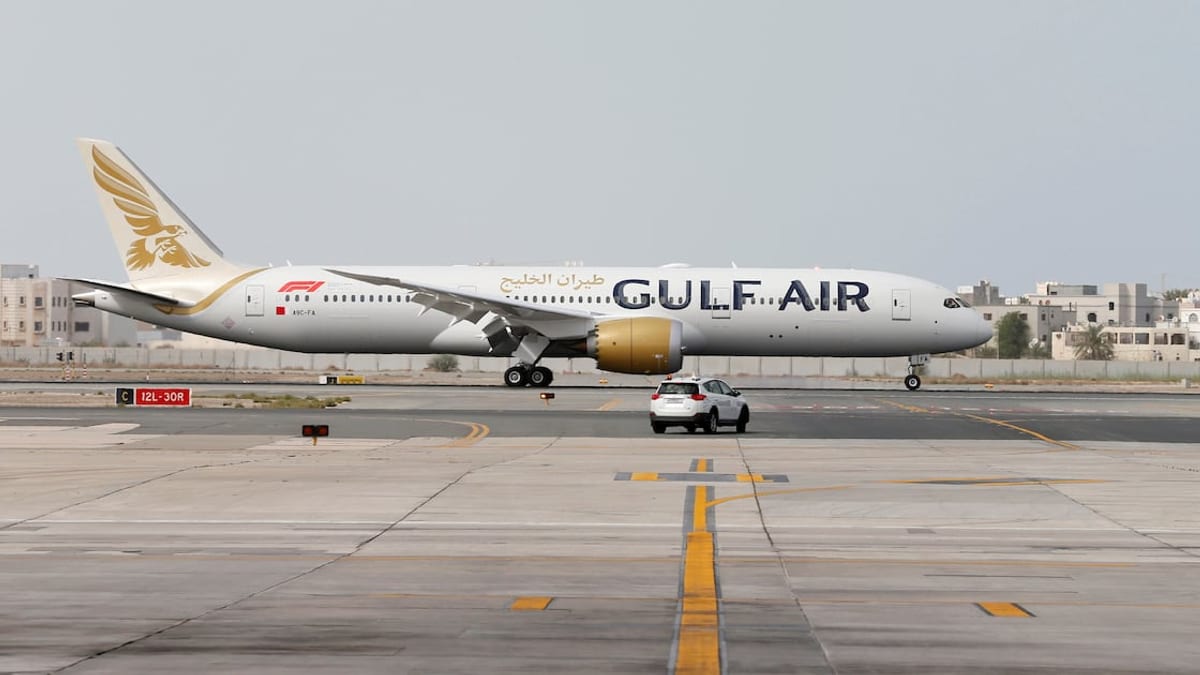
Selective resumptions at key hubs as conflict pauses
Following the ceasefire that took effect on April 8, 2026, major carriers in the Middle East and beyond have begun reintroducing limited services to some destinations while maintaining a broad set of suspensions. According to coverage in regional outlets, airlines are prioritizing routes seen as operationally viable within revised safety parameters, particularly those that can skirt the most sensitive airspace corridors.
Dubai, Abu Dhabi and Doha, which saw some of the heaviest disruption when airspace closures rippled across the Gulf earlier in March, are now handling increased but still reduced traffic. Reports indicate that Emirates and Qatar Airways are operating scaled-back schedules built around trunk routes, while continuing to warn passengers that flights remain subject to short-notice changes as airspace advisories are updated.
Other regional hubs, including Muscat, Jeddah and Riyadh, are also seeing gradual increases in activity. Oman Air has kept a larger share of its network running, with adjustments on routes transiting the most heavily restricted skies. Saudi carriers are rebuilding connectivity to major Asian and African cities, but many links to neighboring Gulf states remain paused or capped.
Industry analysis notes that the restart is being driven both by pent-up demand and by pressure to reconnect freight and business corridors between Europe, Asia and Africa. However, carriers are proceeding cautiously to avoid being forced into repeated last-minute cancellations should the ceasefire falter.
European and Asian airlines keep key suspensions in place
While some Middle Eastern operators are moving quickly to rebuild their schedules, several European and Asian airlines are keeping extended suspensions on routes into the conflict zone and surrounding states. Publicly available updates from carriers such as KLM, Air France and British Airways show continued cancellations to Dubai, Tel Aviv and a number of Gulf and Levant destinations well into late April and May.
In the Netherlands, reporting indicates that KLM is maintaining its suspension of flights to Dubai, Riyadh and Dammam despite the ceasefire, and is still routing services away from airspace over Iran, Iraq, Israel and large parts of the Gulf. The airline is relying on partners within its alliance to move affected passengers via alternative hubs farther from the conflict area.
British Airways has similarly extended suspensions on flights to Amman, Bahrain, Dubai and Tel Aviv until at least the end of May, reflecting lingering concerns about airspace stability and the risk of renewed hostilities. Lufthansa Group carriers continue to avoid several destinations in Israel, Lebanon, Jordan, Iraq and Iran, following earlier decisions to halt operations after missile and drone strikes in late February and early March.
From Asia, Korean Air has confirmed ongoing cancellations on its Seoul–Dubai route until at least mid-April, and other major carriers in Japan, South Korea and India are keeping detours and longer routings in place for flights to Europe and Africa. These measures are adding time and fuel costs to itineraries even where services are operating normally.
Ben Gurion and regional airports move toward partial normalization
Israel’s main international gateway at Tel Aviv’s Ben Gurion Airport, which saw sharp reductions in traffic during the height of the conflict, is preparing for a tentative ramp-up in activity. According to coverage in Israeli media, the Israel Airports Authority and the Transport Ministry are examining plans to expand flight operations following the ceasefire announcement, with local carrier Arkia outlining a schedule of services to European capitals and long-haul destinations.
Arkia plans to run flights in April to cities including Athens, Larnaca, Rome, Vienna, London, Amsterdam and Paris, alongside long-haul services to New York and Bangkok, with a goal of resuming a full schedule in early May. Other airlines serving Tel Aviv are also reviewing their timetables as insurance, security and regulatory conditions evolve, though many international carriers continue to list Tel Aviv among their suspended destinations.
Elsewhere in the region, airport operations remain uneven. Doha’s Hamad International Airport is gradually rebuilding its role as a long-haul transfer point after significant shutdowns in March, while airports in Jordan, Lebanon and parts of Iraq are operating with limited international connectivity. Damascus remains on a highly restricted schedule, and services in parts of the Gulf are still subject to abrupt closures when security alerts are raised.
Travel advisories from multiple governments continue to flag elevated risks across a broad arc of countries, from Israel and the Palestinian territories to the Gulf monarchies and Iran. These advisories, combined with conflict-related insurance clauses, are shaping how quickly foreign airlines are willing to return to specific airports even as local authorities seek to normalize traffic.
Rerouting, longer flight times and ongoing airspace limits
Even where flights are running, the airspace picture over the Middle East remains heavily constrained. Safety bulletins from European regulators and international aviation bodies still recommend that airlines avoid or severely restrict operations over the skies of Iran, Iraq, Israel, Jordan and several Gulf states. As a result, many carriers are using longer, more northerly or southerly paths to link Europe and Asia.
This rerouting is adding substantial flight time on key corridors. Services between Western Europe and destinations such as Bangkok, Singapore and Mumbai are in many cases avoiding traditional direct tracks across the Levant and the Gulf, instead looping over the Caucasus, Central Asia or the Arabian Sea. The result is extended journey times, tighter connections at hub airports and increased fuel burn.
Analysts note that these indirect routings are also having knock-on effects on aircraft and crew availability. With aircraft spending more hours in the air on each rotation, airlines have less flexibility to add extra frequencies, even as demand returns following the ceasefire. This is one reason many carriers are emphasizing reduced schedules rather than a rapid return to pre-conflict capacity.
Air cargo is feeling similar pressures. Freight operators that once relied on fast overnight routes through Gulf hubs have shifted to alternative pathways, sometimes combining air and sea legs. While the ceasefire has eased immediate concerns about further strikes on critical infrastructure, logistics planners remain wary of re-concentrating traffic in a region where the security outlook is still uncertain.
What travelers should expect in the coming weeks
For travelers planning trips to, from or through the Middle East, the current environment is one of gradual improvement coupled with persistent unpredictability. Publicly available information from airlines and travel agencies shows that more seats are becoming available on routes into major hubs, but schedules are still changing frequently as carriers react to evolving risk assessments and regulatory guidance.
Travel industry advisories recommend that passengers check flight status repeatedly in the 24 hours leading up to departure, including on the day of travel, and remain alert to schedule changes that might affect connecting flights. Many airlines, particularly in Europe and North America, continue to offer flexible rebooking waivers for itineraries touching cities such as Dubai and Tel Aviv, reflecting the possibility of renewed disruptions.
Pricing is also volatile. With capacity constrained by reduced schedules and longer routings, fares on some long-haul sectors that normally transit the Middle East have risen, while tickets on alternative connections through Europe, Central Asia or North Africa can sell out quickly. Travelers with fixed dates may find fewer options than usual, especially during late April and early May as airlines test demand under the ceasefire.
Industry observers stress that the trajectory of flight operations over the next two weeks will depend heavily on whether the ceasefire holds and whether airspace restrictions begin to ease in a coordinated way. Until then, the Middle East’s aviation map remains fragmented, with airlines inching toward normality but still hedging against the risk of a sudden reversal.