

More news on this day
MSC Cruises has cancelled all remaining winter sailings in the Arabian Gulf from Dubai, Abu Dhabi and Doha after a rapid escalation of conflict and airspace closures, stranding thousands of passengers and delivering a sharp setback to the region’s cruise-driven tourism plans.
Security Crisis Forces Sudden Shutdown of Gulf Itineraries
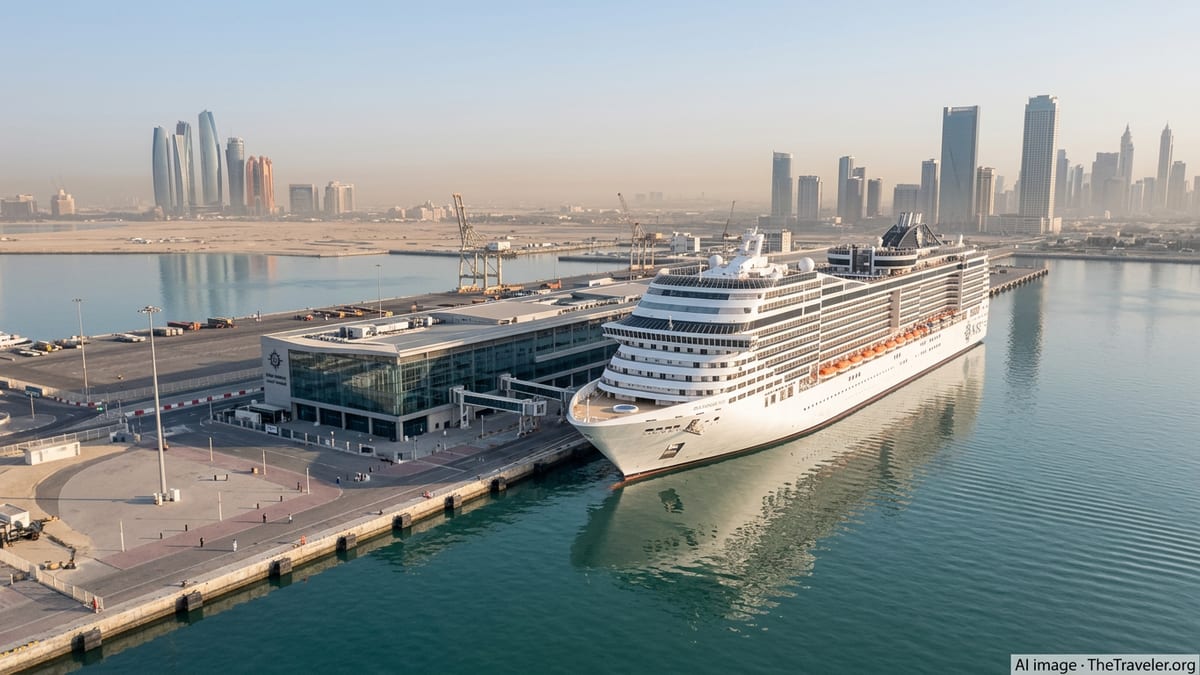
MSC Cruises this week confirmed it has scrapped the rest of its 2026 winter program for the MSC Euribia in the Arabian Gulf, citing a fast-deteriorating security environment and extensive airspace restrictions over the United Arab Emirates and Qatar. The ship has been held in Dubai since late February under the guidance of regional military and port authorities as governments respond to missile and drone threats in and around the Strait of Hormuz.
The move affects all remaining seven night voyages that were due to sail from Dubai, Abu Dhabi and Doha through late March and early April, itineraries that typically include calls at Sir Bani Yas Island in the UAE and Khalifa Bin Salman port in Bahrain. What began as the cancellation of individual departures from Doha at the start of March quickly widened into a blanket suspension of Gulf operations as the conflict and transport disruption intensified.
In statements shared with media and booked guests, MSC Cruises said its priority is the safety and security of passengers and crew, and that it is working closely with national authorities and security experts. The company had been monitoring the situation for days as airlines rerouted or suspended flights, before concluding that reliable and safe cruise operations involving Dubai, Abu Dhabi and Doha were no longer feasible for the rest of the season.
Stranded Guests, Repatriation Flights and Refund Options
The sudden shutdown left thousands of holidaymakers scrambling to get home or rebook journeys. With MSC Euribia effectively immobilised in Dubai, many guests ended their cruises earlier than planned or found that their upcoming sailings simply no longer existed, often with only days of notice. Travel agents across key source markets in Europe and the UK have been fielding urgent calls from clients trying to rework long planned Gulf holidays that included time in Dubai and Abu Dhabi before or after their cruise.
MSC Cruises has pledged full refunds for passengers on the cancelled sailings and is offering future cruise credits or rebooking options on other itineraries where possible. The line is also coordinating with major Gulf based carriers, including Emirates and Etihad Airways, to secure outbound flights for guests already in the region. In some cases, charter flights or alternative departure points such as Muscat in Oman are being explored to bypass the most affected airspace.
Travel industry observers note that while refund and credit policies appear relatively generous given the circumstances, the timing of the cancellations during peak late winter holiday weeks has created major disruption. Some passengers had combined their cruise with hotel stays on Dubai’s beachfront, desert excursions in Abu Dhabi or city breaks in Doha, meaning the impact extends well beyond the sailing itself.
Tourism Hit for Dubai, Abu Dhabi and Doha
The collapse of MSC’s remaining Gulf season is a significant blow to tourism planners across the United Arab Emirates and Qatar, which have invested heavily in cruise infrastructure as part of broader diversification strategies. Dubai, Abu Dhabi and Doha have all built or expanded modern cruise terminals in the past decade and marketed the Arabian Gulf as a warm winter alternative to the Caribbean and Mediterranean.
Each turnaround call from a large ship such as MSC Euribia typically delivers thousands of passengers into the local economy for pre and post cruise hotel stays, shopping, dining and excursions. The cancelled sailings mean lost room nights for waterfront resorts, fewer visitors for attractions from Dubai’s theme parks to Abu Dhabi’s museums, and reduced demand for local tour operators offering desert safaris, city tours and cultural visits.
Regional tourism officials had been counting on a strong 2025 to 2026 Gulf cruise season to build on record visitor numbers to Dubai and Doha linked to major events and growing air connectivity. Instead, they now confront a near term vacuum in cruise traffic just as many operators were planning to expand capacity. Analysts say the perception of instability, coupled with practical challenges around airspace and insurance, could weigh on cruise bookings to the Gulf even after the current conflict subsides.
How the Cancellations Affect Future Cruise Plans
For prospective cruisers, MSC’s decision raises broader questions about the viability of near term sailings in Middle East waters and the flexibility of booking conditions. So far, the company has framed the action as a temporary response limited to the current winter season, but it has not yet detailed any revised deployment plan for MSC Euribia or confirmed when Gulf itineraries from Dubai, Abu Dhabi and Doha might resume.
Travel advisors are urging clients with future Gulf bookings to monitor communications closely and to consider itineraries that do not depend on constrained air corridors or sensitive choke points such as the Strait of Hormuz. Some may choose to switch to Mediterranean, Northern Europe or Caribbean routes offered by MSC and rival cruise lines until there is greater clarity around regional security and flight operations.
The situation also highlights the importance of robust travel insurance and careful reading of force majeure clauses in cruise contracts. While MSC and other operators are generally providing refunds or credits where voyages are cancelled outright, compensation for additional expenses such as independently booked flights and hotels can vary. Passengers planning complex Gulf trips that route through Dubai, Abu Dhabi or Doha may want to build in extra flexibility on flights and accommodation, as well as choosing policies that explicitly cover disruptions caused by conflict and airspace closures.
What Travelers Should Watch in the Coming Weeks
In the short term, the key variables for would-be Gulf cruisers are the trajectory of the conflict, the status of regional airspace and the stance of major cruise brands beyond MSC. Industry sources indicate that other European lines have already curtailed or reconfigured Arabian Gulf deployments, and a prolonged shutdown of cruise calls in Dubai, Abu Dhabi and Doha would ripple through winter 2026 to 2027 planning cycles now under way.
Travel experts recommend that anyone booked on a Middle East sailing in the months ahead stay in close contact with their cruise line or agent, ensure that the company has up to date contact details, and avoid making non refundable add on arrangements around ports such as Dubai and Doha until the picture clears. Flexible airfares, hotels with generous change policies and clear documentation of all bookings will make it easier to respond quickly if more schedule changes are announced.
For the tourism economies of the UAE and Qatar, the suspension of MSC’s remaining Gulf cruises underscores both the opportunities and vulnerabilities inherent in cruise led growth strategies. If the security situation stabilises and airspace reopens, cruise traffic could rebound relatively quickly, helped by the region’s strong air links and modern infrastructure. Until then, the sudden halt at Dubai, Abu Dhabi and Doha provides a stark reminder of how fast global events can reshape even the most carefully planned travel seasons.