

Choosing between MSC Cruises and Royal Caribbean is no longer a simple decision about price or ports. Both lines operate some of the world’s biggest ships, both are aggressively expanding private islands in the Caribbean, and both market heavily to families, couples and international travelers. Yet their onboard experiences, pricing philosophies and overall vibe are distinct. Understanding those differences will help you decide which brand fits your style and budget before you commit to a week at sea.
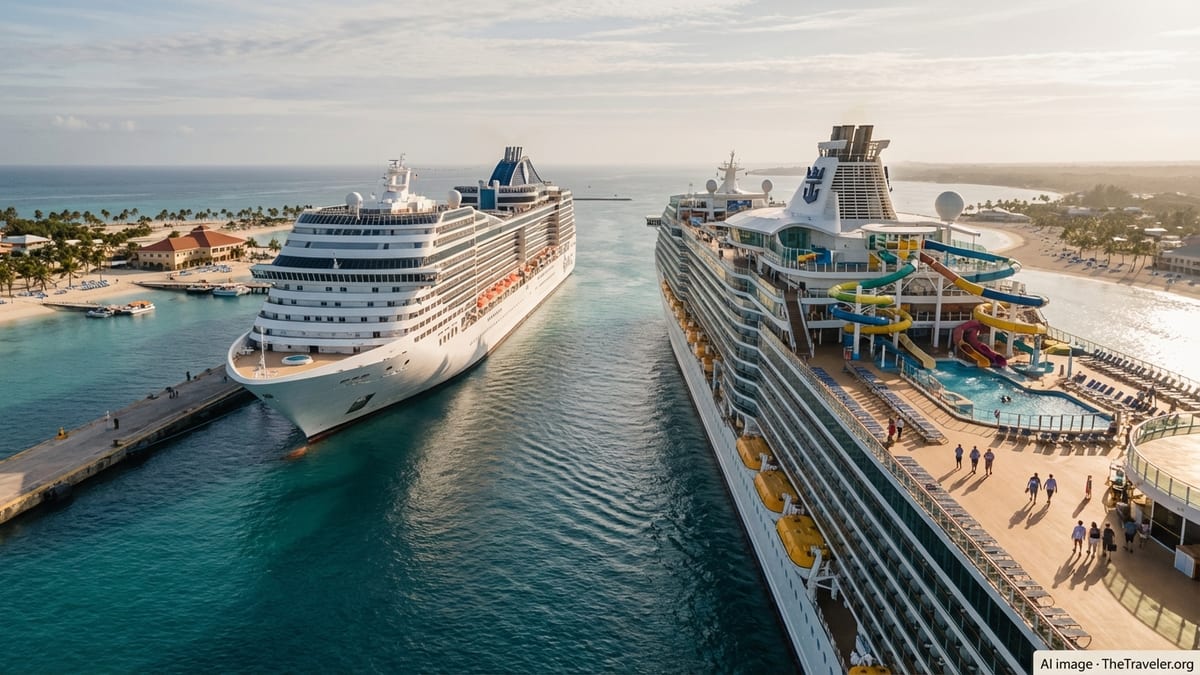
Overall Brand Personality and Atmosphere
MSC Cruises and Royal Caribbean share some surface similarities. Both are mainstream, mass market cruise lines with large fleets, water parks, and big production shows. The key difference is that Royal Caribbean feels very North American in style, while MSC leans distinctly European, even on ships sailing from U.S. ports. That influences everything from dining times and entertainment to the mix of languages you hear onboard.
On Royal Caribbean, announcements, activities and service norms are calibrated primarily for U.S. and Canadian guests, with a casual, resort style atmosphere that will feel familiar if you have vacationed at large Caribbean all inclusive properties. MSC, by contrast, operates from a European hospitality playbook. Passengers are typically more international, dinner skews later, and the mood can be more cosmopolitan and at times slightly formal, especially on Mediterranean itineraries.
That cultural contrast is one of the most important factors when choosing between the two. Travelers who enjoy a multilingual environment and a more European pace often gravitate to MSC. Those who prefer an English first, American style family resort experience tend to feel more at home with Royal Caribbean.
Demographically, both attract many families and multigenerational groups, but Royal Caribbean remains the default choice for first time cruisers from North America, especially families with children and teens. MSC is growing quickly in the U.S. market but still draws a somewhat higher share of Europeans and value focused cruisers who do not mind a less standardized onboard experience across ships.
Fleet, Ship Design and Onboard Innovations
Royal Caribbean has long marketed itself as the innovator in big ship cruising, and its newest vessels support that image. The Oasis and Icon Class ships pack in towering water slides, multi deck entertainment neighborhoods, large parks filled with real trees, and some of the biggest pool decks and theaters at sea. These mega ships are designed so that the ship itself is the destination, with many passengers spending entire days onboard even when the ship is in port.
MSC’s newer ships, including the Meraviglia, Seaside and World classes, also offer multiple pools, ropes courses, water slides and indoor promenades with LED sky domes. They tend to feel slightly more compact and design forward, with dramatic atriums, Swarovski crystal staircases and a strong emphasis on interior styling. The hardware is impressive, but in most cases Royal Caribbean still offers more headline grabbing features such as huge surf simulators, sky diving simulators and multi level aqua theaters with diving shows.
When comparing fleets, it is important to look carefully at individual ships rather than just the brand. Both lines still sail older, smaller vessels alongside their new flagships. On Royal Caribbean, older Vision or Radiance class ships feel more traditional and low key than an Icon Class giant. On MSC, a classic ship in the Lirica class will deliver a very different experience compared with one of the latest Seaside or World class vessels. For first time cruisers who want the most modern amenities, choosing one of the newest ships from either line will make a bigger difference than the logo on the funnel.
Cabin design tilts slightly in MSC’s favor on the newest ships, where many staterooms feel quite contemporary, with clever storage and sleek finishes. Royal Caribbean cabins are comfortable and functional but can feel more conventionally hotel like. Suite products are strong on both lines, with Royal Caribbean’s Royal Suite Class and MSC’s Yacht Club offering their own private lounges, dining rooms and sundecks at the top of the ship.
Itineraries, Destinations and Private Islands
Both cruise lines offer a broad selection of Caribbean sailings from Florida and other North American ports, along with itineraries in Europe, and to a lesser extent in the Middle East, South America and Asia. Royal Caribbean’s network is deeper in North America and the Caribbean, with many short three and four night sailings that appeal to first time cruisers, plus longer itineraries that combine classic Caribbean ports with its own private islands.
MSC has a strong presence in the Mediterranean and Northern Europe, reflecting its European heritage, and continues to expand its Caribbean deployment. If you want an Italian Riviera, Greek Islands or Canary Islands cruise, MSC often prices very competitively and offers frequent departures from several European embarkation ports. Royal Caribbean also sails Europe in summer but its network there is generally less dense than MSC’s.
Private islands have become one of the biggest differentiators. Royal Caribbean’s Perfect Day at CocoCay in the Bahamas is a high energy resort style island with a large water park, multiple beaches, a huge pool complex and an adults only beach club area. It has been heavily marketed as a highlight of many short Caribbean itineraries and has a reputation for thrill rides, beach club cabanas and significant opportunities for extra spending on food and activities.
MSC’s Ocean Cay MSC Marine Reserve, also in the Bahamas, offers a different vibe. Redeveloped from a former industrial site into a beach focused reserve with multiple stretches of sand and more than one main bar and dining area, it leans toward a laid back beach day that emphasizes swimming, sunbathing and simple activities. There are still paid extras, but the overall feeling is more relaxed and less theme park like than CocoCay. Travelers seeking a big resort atmosphere with water slides and loud music may prefer CocoCay, while those who want a quieter beach escape may appreciate Ocean Cay’s design.
Pricing, Value and What Is Included
MSC generally positions itself as a value leader, often advertising lower base fares than Royal Caribbean on similar itineraries, especially out of U.S. ports where it is building market share. However, the structure of what is included and what costs extra can be more complex, which occasionally leaves first time guests surprised by add ons such as daily service charges and extra fees for certain activities or dining experiences.
Royal Caribbean’s fares are often higher, particularly on its newest and largest ships, but the pricing and inclusions are usually presented in a way that feels straightforward to North American travelers familiar with resort fees and service charges. Both lines add daily gratuities or service charges to passenger accounts, which can be prepaid or settled at the end of the cruise, and both charge extra for specialty dining, premium coffee and certain activities.
Where MSC can deliver strong value is in its frequent promotions that bundle drinks, Wi Fi or onboard credit into modestly priced packages. Its inclusive experiences, especially in Europe, can make the total trip cost attractive compared with airlines and hotels on land. Royal Caribbean also runs sales and offers cruise planner discounts for prebooking drink packages, Wi Fi and shore excursions, helping guests manage their budget before sailing.
For many travelers, the key question is whether the lower base price on an MSC sailing will still make sense after adding the extras you care about. If you enjoy specialty restaurants, cocktails by the pool and organized shore excursions, the gap between the two lines can narrow. Solo travelers and couples who are happy with included dining and a few modest extras may find MSC particularly wallet friendly.
Dining, Drinks and Culinary Style
Food is one of the areas where the two brands feel most different. Royal Caribbean’s main dining rooms and buffets lean into crowd pleasing American and international dishes, with plenty of familiar favorites like steaks, burgers, tacos and pasta, alongside vegetarian and healthier options. Specialty restaurants vary by ship but often include recognizable concepts such as steakhouses, Italian trattorias and casual barbecue or burger joints.
MSC’s culinary identity is anchored in its European roots. On Mediterranean sailings especially, you can expect strong Italian influences, with good quality pasta, risotto, pizza and espresso included in the main dining rotation. Menus may feel a bit more continental, and the buffet tends to offer a broader range of European dishes. Some North American guests praise the pizza and pasta as standouts, while others find the overall selection slightly less tailored to American tastes than on Royal Caribbean.
Both lines have embraced specialty dining, with extra charge venues that range from upscale steakhouses and seafood restaurants to teppanyaki shows and chocolate themed cafes. On Royal Caribbean, these venues are heavily integrated into the marketing of each ship and often require advance reservations, particularly on sea days. MSC has expanded its specialty lineup on newer ships, but availability and concepts can vary more across the fleet.
Drinks packages are another key part of the onboard experience. Royal Caribbean typically sells several levels of beverage packages, from soda only to comprehensive deluxe packages that include most alcoholic drinks up to a set price limit. An automatic gratuity percentage is charged on top of the package price. MSC offers a similar tiered system of drink packages, and its published terms make clear that gratuities on pre paid drink packages are included in the package cost. In practice, both lines allow you to cruise quite comfortably without buying a package if you are a light drinker, but regular soda and cocktail drinkers often find packages more economical.
Onboard Entertainment, Families and Nightlife
Royal Caribbean has built its brand around entertainment and activities that appeal to all ages. Large ships feature Broadway style shows, ice skating spectaculars, aqua theater diving productions, comedy clubs, late night music in multiple bars and lounges, and outdoor attractions such as rock climbing walls and zip lines. Daily schedules are packed, and it is easy to go from activity to activity from morning until late at night.
MSC’s entertainment program includes production shows, live music in lounges, dance parties and theme nights, but the format and style can feel more European. Some shows rely less on narrative and more on costume, dance and acrobatics, with fewer English language musicals. Nightlife can run late, especially on European deployments, with popular venues staying busy well past midnight.
Both lines offer kids clubs and teen programs at no extra charge, divided by age group. Royal Caribbean’s children’s facilities are among the largest at sea on its newest ships, with dedicated play areas, science programs and character appearances that tie into well known brands on certain vessels. MSC also has robust children’s programming, often developed in partnership with toy brands, and family cabins are widely available, particularly on the newest ships.
For families, the choice often comes down to the balance between structured entertainment and cultural style. Royal Caribbean is usually the safer pick for first time family cruisers from North America, thanks to its familiar entertainment formats, expansive water parks and strong kids club reputations. MSC is attractive to families who want a more international feel, do not mind occasional language differences in activities, and appreciate lower fares that make it easier to cruise during school holidays.
Service, Crowd Management and Passenger Mix
Service experiences can vary widely on both lines depending on the ship, itinerary and how full the sailing is. Royal Caribbean crew are generally praised for friendly, informal service that matches the resort style atmosphere, though on the largest ships occasional queues for guest services, dining or popular attractions are common at peak times. The line has invested heavily in crowd management, with timed reservations for some shows and activities helping to spread guests throughout the day.
MSC’s service reputation is more mixed, in part because its rapid expansion has outpaced the ability of some ports and crews to standardize the experience. On many sailings the staff earn high marks for effort and warmth, but some guests report slower bar service or occasional communication challenges, especially on itineraries with a very international passenger mix and many languages in use. Service norms can also feel more formal in certain venues compared with Royal Caribbean’s easygoing style.
Both lines automatically add daily service charges or gratuities to guest accounts, which are shared among crew in key service positions. On MSC, corporate messaging emphasizes that service charges are part of the cruise fare, reflecting a European approach to tipping where guests are not expected to hand over cash at every interaction. Royal Caribbean is more aligned with U.S. tipping culture, and many guests choose to tip extra in cash to stateroom attendants or favorite waiters on top of the automatic charges.
Passenger mix is another important factor. On Royal Caribbean sailings out of Florida and other U.S. ports, the majority of guests are typically from North America, with a growing number from Europe and Latin America. On MSC, even Caribbean cruises often have a more even blend of Europeans, North Americans and South Americans. That mix can be a positive if you enjoy a truly global environment, but it can also lead to different social norms on topics like queuing, dress codes and pool deck behavior.
The Takeaway
Neither MSC Cruises nor Royal Caribbean is objectively better for every traveler. Instead, each brand excels for different types of cruisers and priorities. Royal Caribbean focuses on big ship innovations, a familiar North American resort atmosphere and high energy entertainment, especially on its newest and largest ships. MSC emphasizes European style, competitive pricing and a broad range of itineraries, particularly in the Mediterranean, while bringing newer ships and its Ocean Cay private island to the Caribbean market.
If you are a first time cruiser from North America, traveling with children or teens and looking for a predictably high energy, activity rich vacation where the ship and private island feel like a theme park at sea, Royal Caribbean is usually the safer and more satisfying bet. Its entertainment, kids clubs and Perfect Day at CocoCay are designed to deliver that style of trip.
If you are more price sensitive, curious about a European flavored onboard experience, or primarily interested in exploring ports rather than spending all day on waterslides, MSC can offer excellent value. Its newer ships are stylish, Ocean Cay provides a relaxed beach day, and itineraries in Europe are especially appealing for travelers who want to combine classic ports with a floating hotel.
The best way to decide is to start with your own priorities. Think about whether you care more about price or onboard thrills, about a familiar environment or a multicultural one, and about late night European style nightlife or Broadway hits and water parks. Once you know those answers, compare specific ships and itineraries within each fleet. In many cases, you may find that trying both lines on different trips is the most rewarding way to discover which one truly feels like your home at sea.
FAQ
Q1. Is MSC cheaper than Royal Caribbean?
In many cases MSC advertises lower base fares, especially in Europe and on some Caribbean sailings, but final costs depend on ship choice, travel dates and which extras you add.
Q2. Which cruise line is better for families with kids?
Royal Caribbean is often better for first time families because of its large water parks, kids clubs and familiar entertainment, while MSC appeals to families seeking value and a more international vibe.
Q3. How do MSC and Royal Caribbean compare on private islands?
Royal Caribbean’s Perfect Day at CocoCay feels like a resort and water park destination, while MSC’s Ocean Cay focuses more on beaches and a relaxed, low key island atmosphere.
Q4. Is the food better on MSC or Royal Caribbean?
Royal Caribbean tends to favor American style favorites and variety, while MSC leans European with strong Italian options. Which is better depends largely on your personal taste.
Q5. Do both cruise lines include gratuities in the fare?
Both add daily service charges to passenger accounts that can be prepaid or paid onboard. Drink and specialty dining gratuities are handled through separate policies and package pricing.
Q6. Which is better for a Mediterranean cruise?
MSC has a particularly deep presence in the Mediterranean and often offers very competitive pricing, though Royal Caribbean also runs attractive summer itineraries in the region.
Q7. Are MSC ships as modern as Royal Caribbean’s?
MSC’s newest ships are very modern and design focused, but Royal Caribbean’s latest classes still offer more headline grabbing attractions like surf simulators and aqua theater shows.
Q8. Is there a big language barrier on MSC?
English is widely spoken on MSC, but announcements and social life can involve several languages, creating a more international atmosphere than on most Royal Caribbean sailings from U.S. ports.
Q9. Which cruise line is better for nightlife?
Royal Caribbean offers a broad mix of bars, clubs and late shows catering to many tastes, while MSC’s nightlife can feel more European, often centered on music, dancing and late hour socializing.
Q10. How should I choose between MSC and Royal Caribbean for my first cruise?
Consider your budget, whether you prefer a North American or European atmosphere, how important big ship attractions are to you and which itineraries fit your schedule, then compare a few specific ships from each line.