

More news on this day
MSC Cruises is betting big on Brazil for the 2026–27 Southern Hemisphere summer, positioning the refurbished MSC Musica across multiple regional homeports in a move expected to energize South American tourism and broaden access to cruising for local travelers.
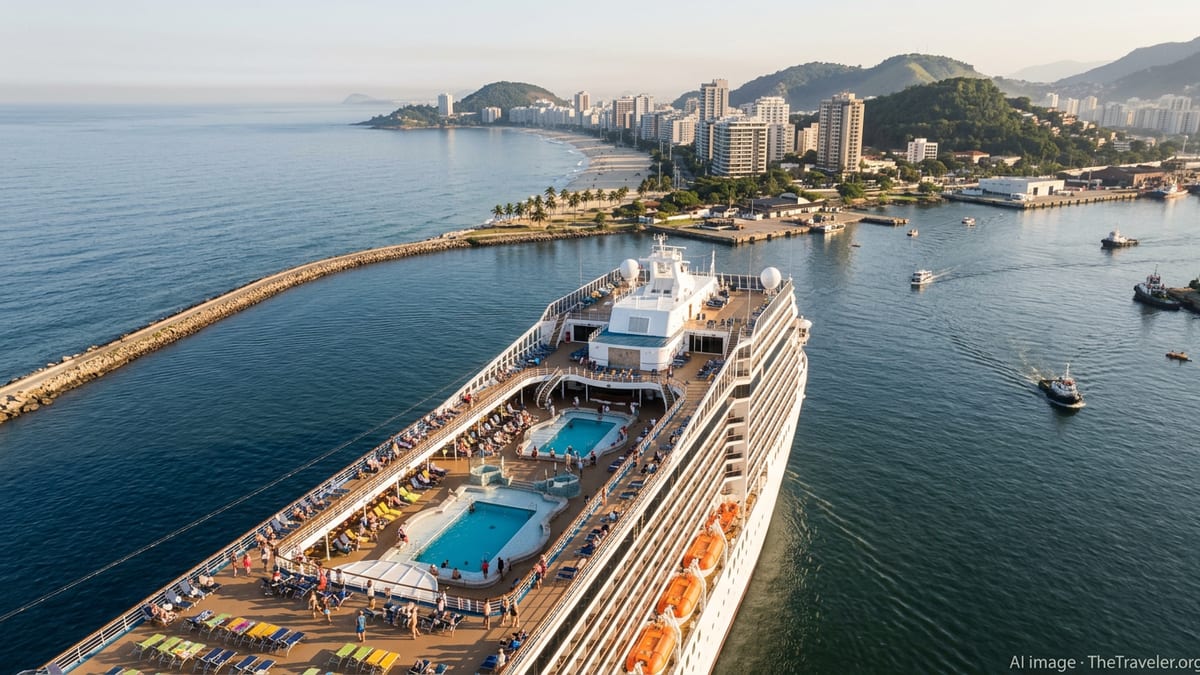
A Renewed Ship at the Heart of MSC’s South America Push
The 2006-built MSC Musica will play a central role in MSC Cruises’ South America strategy between November 2026 and April 2027, operating a mix of short coastal breaks and longer South America itineraries tailored to the Brazilian market. The ship joins the larger MSC Virtuosa, MSC Divina and MSC Splendida in the region, but stands out as the line’s most flexible vessel on the Brazilian coast, shifting between several embarkation ports across the season.
According to the company’s 2026–27 deployment details, Musica returns to South America with a refit that introduces MSC Yacht Club, the brand’s ship-within-a-ship luxury concept, along with refreshed public spaces and upgraded technical systems. The addition of Yacht Club on a mid-sized vessel is designed to capture higher-spend Brazilian and regional guests who want a premium experience while still sailing close to home.
MSC executives have framed the broader South America program as one of the line’s most ambitious to date, with more than 100 cruises scheduled across the five-ship deployment. Within that, Musica is positioned as a bridge between mass-market and upscale demand, offering a blend of family-friendly facilities and new high-end accommodation that reflects the maturing Brazilian cruise segment.
The deployment also underscores how quickly the South American market has rebounded and expanded after the pandemic pause. By assigning a refreshed, feature-enhanced ship like Musica to Brazil and surrounding countries, MSC is signaling long-term confidence in the region’s ability to fill cabins with both domestic and international guests.
Regional Homeports Bring Cruising Closer to Brazilian Travelers
One of the most significant shifts in the 2026–27 plan is MSC Musica’s use of multiple regional homeports beyond traditional hubs such as Santos and Rio de Janeiro. Between January and February 2027, the ship is scheduled to operate embarkations from ports including Paranaguá and Itajaí, in addition to Rio, giving millions of residents in southern and southeastern Brazil easier access to cruises without the need for long domestic flights.
This multi-homeport strategy is designed to unlock new demand from cities that have historically sent travelers to São Paulo or Rio to board ships. By bringing embarkation closer to home, MSC reduces travel costs and time for local guests, making short three- and four-night itineraries especially attractive for first-time cruisers and families seeking long weekend escapes along the Brazilian coast.
For port cities, the deployment represents a direct economic stimulus. Turnaround days bring a surge of passenger traffic for hotels, restaurants, taxis, ride-hailing services and local tour operators, while provisioning calls increase demand for fresh produce, beverages and technical supplies sourced from regional suppliers. Municipal and state tourism bodies are positioning the Musica calls as an opportunity to showcase beaches, cultural districts and nature reserves to both Brazilians and visiting South Americans.
The move also fits into a broader trend of cruise lines decentralizing operations in Brazil, experimenting with new embarkation points to spread visitor flows more evenly. If Musica’s performance from secondary homeports is strong, industry analysts expect other brands to follow, potentially turning ports like Paranaguá and Itajaí into fixtures of future summer seasons.
Itineraries Linking Brazil, Argentina and Uruguay
MSC Musica’s 2026–27 program includes a mix of mini-cruises along the southeast Brazilian coastline and longer eight- and nine-night itineraries to the River Plate region. Typical sailings are set to link Santos or other Brazilian ports with Montevideo and Punta del Este in Uruguay, as well as Buenos Aires in Argentina, often combining beach time with city-focused cultural experiences.
These longer itineraries are aimed at travelers who want a more in-depth regional journey without the cost or complexity of long-haul flights. Passengers can explore tango culture and historic neighborhoods in Buenos Aires, riverside promenades and wine bars in Montevideo, and resort beaches in Punta del Este, while still departing and returning to a Brazilian port that feels familiar and logistically convenient.
Shorter coastal routes, typically three to five nights, concentrate on Brazilian destinations such as Balneário Camboriú and other popular seaside resorts. These sailings are expected to attract large numbers of Brazilian families, groups of friends and corporate incentive trips, many of whom are new to cruising and test the experience on a long weekend before committing to longer voyages.
For regional tourism boards, being included on Musica’s itineraries during a high-capacity summer season is an important visibility boost. It offers a pipeline of repeat visitors who may later return for land-based vacations after first discovering a city on a cruise call, reinforcing the symbiotic relationship between cruise lines and shore destinations.
Onboard Experience Tailored to a South American Crowd
Onboard, MSC Musica’s hardware and programming are being calibrated to South American tastes and travel patterns. The ship’s pool decks, sports courts and family areas cater to multigenerational groups, while a wide choice of bars and lounges supports a late-night social atmosphere typical of Brazilian and Argentine guests, with live music and dancing often continuing into the early hours.
The addition of MSC Yacht Club on Musica introduces private suites, a dedicated restaurant, lounge and sundeck, along with butler service and priority embarkation. While Yacht Club has long been a feature on newer MSC vessels, bringing it to Musica in Brazil broadens the range of price points in the region, giving affluent travelers an option that combines exclusivity with the energy and entertainment of a large resort-style ship.
Culinary offerings are expected to lean heavily into regional preferences, with churrasco-style meats, seafood and familiar Brazilian dishes alongside international favorites. Beverage menus mirror local trends, from caipirinhas and craft beers to international wine lists that spotlight Argentine and Chilean labels, reflecting the cross-border nature of Musica’s routes.
Crucially, the onboard product is being marketed as a complement to, rather than a replacement for, land vacations. MSC is promoting pre- and post-cruise stays in homeport cities, packaging Musica sailings with hotel nights, cultural tours and beach excursions to deepen visitor engagement and spending in Brazil and neighboring countries.
What Travelers Need to Know Before Booking
With bookings for the 2026–27 South America season already open, would-be passengers eyeing MSC Musica should pay close attention to embarkation port, itinerary length and cabin type, as the ship’s role as a regional workhorse means its schedule varies significantly across the summer. Some sailings focus on quick coastal getaways from Brazilian ports, while others add international calls in Argentina and Uruguay, so travelers should confirm visa and documentation requirements based on their chosen route.
Given the growing popularity of Brazil-based cruises among domestic travelers, peak holiday periods around Christmas, New Year and Carnival are likely to sell out early and command higher prices. Travel agents are advising guests to secure preferred dates and cabin categories well in advance, particularly if they are targeting the newly added Yacht Club suites or specific family stateroom layouts.
Weather is another consideration. The November to April window corresponds to the Southern Hemisphere summer, with hot, humid conditions common along much of the Brazilian coast. Travelers are encouraged to pack light clothing, strong sun protection and motion-sickness remedies if they are new to sailing in the South Atlantic, where occasional swells can be more noticeable than in some other cruise regions.
For South American tourism stakeholders, the Musica deployment is being watched closely as a bellwether for how far the regional cruise market can grow beyond traditional hubs. If the 2026–27 season delivers sustained demand from multiple Brazilian homeports, it could usher in a new phase where ships, itineraries and onboard products are increasingly designed around local expectations, further anchoring cruising as a mainstream vacation choice in Brazil and across the continent.