

More news on this day
Travelers moving through Nashville International Airport on April 8 faced a fresh wave of disruption as dozens of delayed departures and a small number of cancellations hit major routes to Atlanta, New York, Dallas and other U.S. cities, affecting operations for Southwest, Spirit, Delta and American Airlines.
Get the latest news straight to your inbox!
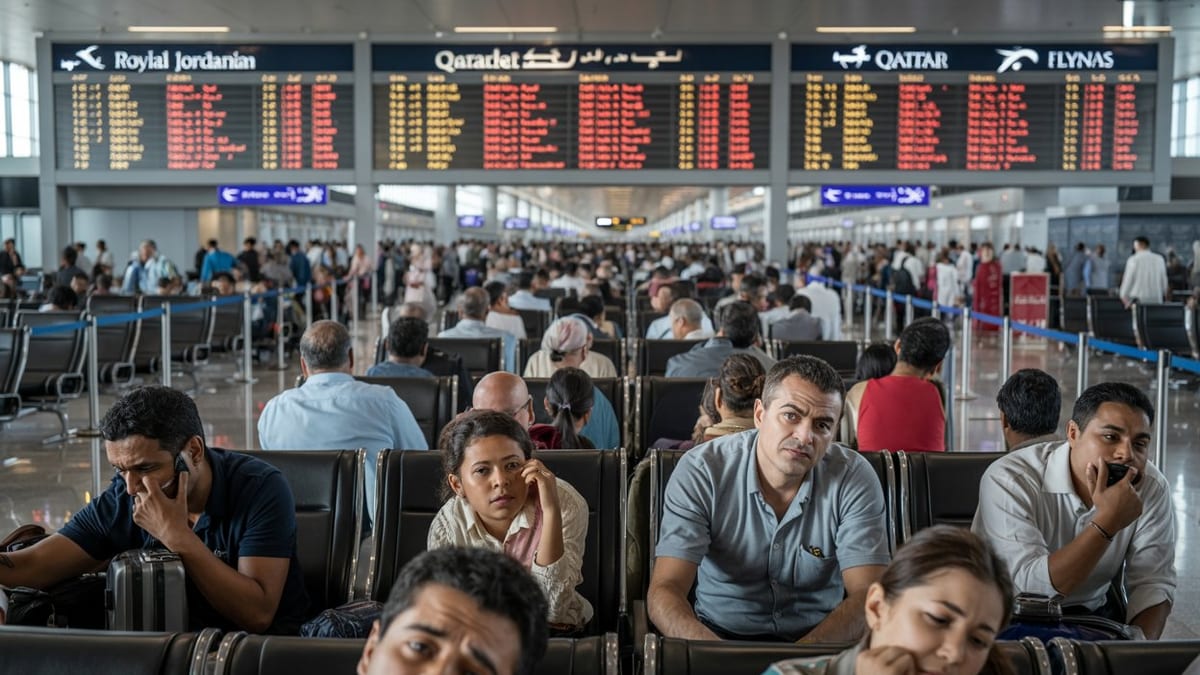
Delays Mount at Nashville as National Disruptions Continue
Publicly available flight-tracking dashboards and operational summaries for April 8 indicate that Nashville International Airport recorded roughly 72 delayed flights and two cancellations over the course of the day, affecting a mix of departures and arrivals. The impact was felt most clearly on popular domestic routes, where relatively modest schedule changes cascaded into missed connections and extended time on the ground for many travelers.
The disruption in Nashville came on the heels of a broader pattern of U.S. flight delays and cancellations reported in early April. Recent nationwide tallies compiled from aviation data providers show thousands of delayed flights and hundreds of cancellations across large hubs including Atlanta, New York, Chicago, Los Angeles, Orlando and Houston, underscoring the fragility of the current spring travel period.
Within that national picture, Nashville appears as a mid sized but clearly affected node. Aggregated delay metrics published this week list the airport among facilities recording dozens of schedule disruptions in a single day, reflecting heavier traffic, ongoing construction in terminal areas and operational pressures in the wider air traffic system.
For passengers, the numerical totals translated into crowded gate areas, longer waits at ticket counters and tight margins for onward connections, particularly on heavily traveled evening bank departures to major hubs in the Southeast and Northeast.
Major Carriers Hit: Southwest, Spirit, Delta and American
Reports from airline status tools and aviation data sites show that the disruptions in Nashville were not confined to a single carrier. Southwest, Spirit, Delta and American all recorded delayed flights into and out of the city, with schedule changes ranging from minor holds at the gate to extended waits of an hour or more.
Southwest, which maintains a significant presence at Nashville, featured prominently in the delay statistics. Flight tracking entries for the carrier’s services from Nashville to Atlanta and other regional hubs showed pushed back departure times and revised arrival estimates, consistent with the broader pattern of operational strain Southwest has experienced on busy travel days across the country in recent weeks.
Spirit and Delta also appeared in lists of affected airlines linking Nashville to large coastal and Midwestern markets. Both carriers have been cited in national roundups of recent disruptions, with data showing elevated levels of delayed services on select days at major hubs such as Atlanta and New York. American Airlines, another key operator on Nashville routes, similarly logged late departures and arrivals as the ripple effects of congestion and earlier weather systems worked through its network.
Although only two Nashville flights were recorded as outright cancellations on April 8, the combination of late departures, rolling crew and aircraft rotations, and tight turnarounds meant that even passengers whose flights ultimately operated could encounter significant itinerary changes.
Key Routes to Atlanta, New York and Dallas Affected
The primary routes affected by the Nashville disruption included connections to Atlanta, the New York area and Dallas, alongside other domestic destinations. Atlanta, as the country’s busiest hub airport, has been central to recent nationwide travel challenges, with published coverage documenting both cancellations and heavy delay volumes there over the past several days.
New York’s major airports, including John F. Kennedy International and LaGuardia, have likewise recorded elevated delay counts since the start of April, driven by a combination of volume, residual weather impacts and air traffic management programs. Flights between Nashville and these airports were among those showing revised departure and arrival times, creating knock on effects for travelers bound for transcontinental and international connections.
Dallas, served from Nashville by multiple large carriers, has also seen its share of schedule pressures, particularly where storms and congestion intersect with tightly planned bank structures. Delays on Nashville to Dallas services can quickly ripple into subsequent legs, increasing the likelihood that a single hold on departure will affect travelers far from Tennessee by the end of the day.
Other U.S. cities with nonstop service from Nashville, including Orlando, Chicago and various East Coast and Midwest destinations, were listed among those experiencing delayed arrivals or departures, underlining how interconnected domestic travel has become during peak spring periods.
Weather, Airspace Management and Local Constraints Combine
While no single cause fully explains the April 8 disruptions, recent analyses of U.S. air travel patterns point to a familiar mix of factors. Earlier in the spring, a powerful storm system contributed to significant cancellations and ground delays across multiple regions, and operational data suggests that knock on effects from such events can persist for days. When combined with seasonal thunderstorms, low clouds or wind constraints in busy corridors, even modest weather disturbances can push airports into delay programs.
In parallel, air traffic management initiatives intended to keep flows safe and orderly have at times required metered departures into congested airspace, particularly around major hubs. Industry focused reports describe these programs as necessary for safety but occasionally disruptive for schedules, especially when staffing and sector capacity are already tight.
Closer to home, Nashville International Airport is in the midst of an extended period of growth and infrastructure work. Public information from the airport highlights terminal upgrades and airfield enhancements that, while designed to improve capacity and passenger experience over the long term, can temporarily complicate operations, especially during overnight construction windows and peak demand periods.
The result on April 8 was a convergence of national and local pressures that left Nashville aligned with many other U.S. airports experiencing elevated delay counts as spring travel demand builds.
What Travelers Can Expect in the Coming Days
Looking ahead to the remainder of the week, aviation data services continue to flag the potential for rolling disruptions across parts of the U.S. network, particularly if unsettled weather returns to key hubs or if demand outpaces available staffing and aircraft utilization plans. For travelers using Nashville as an origin, destination or connection point, that means remaining prepared for further schedule adjustments.
Publicly accessible guidance from airlines and consumer advocates continues to emphasize basic precautions: monitoring flight status frequently, enabling app notifications, and allowing extra time between connections whenever possible. While a delay does not guarantee missed onward travel, tighter schedules leave less room to absorb even modest holds on departure.
For those heading to or from Atlanta, New York, Dallas and other large hubs, recent experience suggests that early morning departures can sometimes offer slightly more reliability before daily congestion peaks. However, the broad based nature of recent disruptions also serves as a reminder that even traditionally dependable time slots can be affected when the system is under stress.
As Nashville’s traffic continues to grow and national carriers shuffle fleets and schedules for the busy spring and summer seasons, passengers are likely to see further periods of strain. The events of April 8 highlight how quickly routine operations can tip into visible travel chaos when multiple carriers, popular routes and tight timetables all feel pressure at once.