


More news on this day
Nigeria’s Civil Aviation Authority (NCAA) is urging Nigerian passengers stranded at Nairobi’s Jomo Kenyatta International Airport to avoid staging protests inside airport terminals, advising them instead to use formal complaint and resolution channels as regional flight disruptions and visa issues continue to affect travel plans.
Get the latest news straight to your inbox!
Regulator cautions against protests in sensitive airport zones
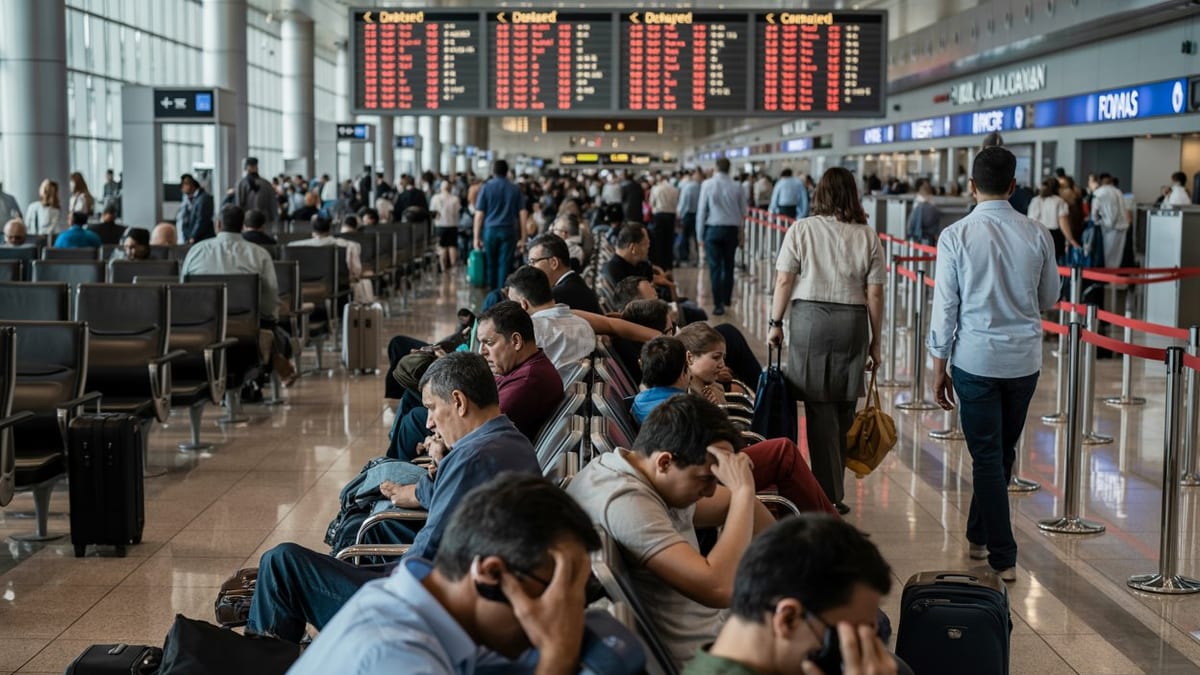
According to publicly available information, the advisory follows reports of Nigerian travelers in Nairobi facing extended delays, missed connections and uncertainty over onward flights. Some stranded passengers had reportedly considered or attempted sit-ins and group demonstrations in terminal areas to draw attention to their predicament.
Published coverage indicates that the NCAA is reminding passengers that airports are highly regulated, security-sensitive environments where large, unplanned gatherings can quickly create operational and safety challenges. Aviation authorities in many countries, including Kenya, generally restrict protests and other crowd actions in secure zones, particularly around check-in, immigration, and boarding gates, where passenger flows are carefully managed.
The current situation in Nairobi is unfolding against a backdrop of wider regional disruptions, with industrial actions and staffing challenges periodically affecting schedules across East Africa. As a result, some Nigerian passengers have found themselves stranded in transit, particularly at major hubs such as Jomo Kenyatta International Airport.
Publicly available guidance from aviation regulators stresses that while passengers have the right to express dissatisfaction and seek redress, activities that could block access routes, interfere with security screening or obstruct emergency exits are viewed as incompatible with international aviation safety norms.
Stranded Nigerians weigh options as disruptions persist
Recent media reports from Nairobi describe groups of Nigerian travelers who have spent long hours at the airport after delayed or cancelled flights, or who encountered visa and documentation complications while trying to connect onward. Some accounts describe tensions between passengers and airline staff over rebooking arrangements, meal vouchers and temporary accommodation.
Coverage from Nigerian outlets has highlighted previous episodes in which passengers responded to cancellations or extended delays with on-site demonstrations, including chanting, occupying gate areas or confronting airline counters in large groups. In several of those incidents, airport operations were partially disrupted, with implications for other travelers and staff.
In the Nairobi case, the NCAA is positioning its message as both a safety reminder and a practical recommendation. By steering Nigerians away from public protests inside terminals, the regulator aims to reduce the risk of clashes with airport security personnel and to prevent situations that could escalate into disciplinary or legal action under local regulations.
Reports from Kenya also note that authorities there have been mindful of the broader context of public demonstrations in the country in recent months. Security planning at key transport hubs remains heightened, and aviation stakeholders appear keen to avoid any additional strain on facilities already managing heavy passenger volumes.
Formal complaint channels emphasized for affected passengers
The NCAA advisory highlights the availability of structured complaint and mediation mechanisms for air travelers, particularly when disruptions involve Nigerian carriers or Nigerian passengers using foreign airlines. Publicly available information on the regulator’s website outlines step-by-step procedures for filing complaints with airlines and, if necessary, escalating unresolved issues to NCAA consumer protection units.
Under these procedures, passengers are generally encouraged to first seek resolution directly from the airline, including requests for written explanations, rebooking, refunds where applicable, and compensation in line with applicable regulations or airline policies. If those efforts fail, travelers can lodge a complaint with NCAA using online forms or consumer desks at Nigerian airports when they return.
For Nigerians currently stranded in Nairobi, the regulator’s message suggests a similar approach: document interactions with airlines, retain boarding passes and receipts, and pursue redress through established structures rather than through spontaneous group actions inside terminals. Available guidance from other travel and security advisories also typically recommends avoiding protest areas in and around airports, both for personal safety and to prevent immigration or security complications.
While foreign regulators such as Kenya’s aviation agencies have their own complaint and enforcement systems, Nigerian passengers are being reminded that NCAA can still play a role in engaging airlines and counterparts, especially in cases involving Nigerian-registered carriers or systemic issues affecting large numbers of citizens.
Growing focus on unruly passenger behavior and airport safety
The NCAA’s latest advisory fits into a broader pattern of regulatory concern about unruly behavior at airports and on aircraft. In previous public statements, the authority has drawn attention to rising reports of disruptive passengers, confrontations with airline staff and attempts to obstruct airport operations in Nigeria and beyond.
Past circulars cited in Nigerian media have warned that disruptive conduct in aviation settings can carry serious consequences, including denial of boarding, removal from flights, blacklisting by airlines or referral to law enforcement agencies under national aviation laws. Similar standards exist internationally, with airport operators and airlines empowered to refuse service to passengers whose actions are deemed to threaten safety or order.
Aviation analysts note that the combination of crowded terminals, high stress, fatigue and financial loss can make airports flashpoints when large numbers of travelers are stranded. Regulators and industry stakeholders have therefore been investing in clearer communication, more visible customer service teams and dedicated mediation channels in an effort to defuse situations before they deteriorate.
Within this context, the NCAA’s message to Nigerians in Nairobi underscores a preference for de-escalation and procedural remedies over confrontational tactics. By framing airport protests as a risk both to safety and to travelers’ own legal standing, the regulator is signaling that even understandable frustration should be channeled through formal pathways.
Travelers urged to monitor advisories and plan for contingencies
The challenges facing Nigerians stranded in Nairobi also highlight the importance of monitoring travel advisories and building flexibility into itineraries, especially when connecting through major hubs that may be affected by industrial action or regional instability. International travel guidance for various destinations consistently advises passengers to keep abreast of potential protests, strikes or security incidents that could affect airport access.
Industry observers indicate that travelers transiting through Nairobi and other regional hubs may benefit from additional contingency planning, such as longer layovers, comprehensive travel insurance and backup communication channels with airlines and travel agents. When disruptions do occur, passengers who have prepared for possible delays, including access to funds for extended stays and digital copies of key documents, may be better positioned to navigate unexpected obstacles.
For Nigerian travelers in particular, the latest NCAA advisory serves as a reminder to blend awareness of local conditions with adherence to international aviation rules. Staying calm, avoiding participation in protests inside airport facilities and using the established complaint and mediation systems are being promoted as the safest and most effective ways to seek solutions while preserving onward travel options.
Relevant public resources for affected passengers include the NCAA website, airline customer service contacts, and official travel advisories, which are updated as conditions evolve in Nairobi and other major transit points.
Punch: Nigerian passengers protest alleged neglect at Nairobi airport
Nigeria Civil Aviation Authority official website
TheTraveler.org: NCAA urges stranded Nigerians in Nairobi to avoid airport protests