

More news on this day
Heightened spring storm patterns and flooding risk across large parts of the United States are raising new concerns for the 2026 NCAA basketball tournaments, with travel planners warning that increasingly volatile March and April weather could disrupt team flights, fan travel and television schedules.
Get the latest news straight to your inbox!
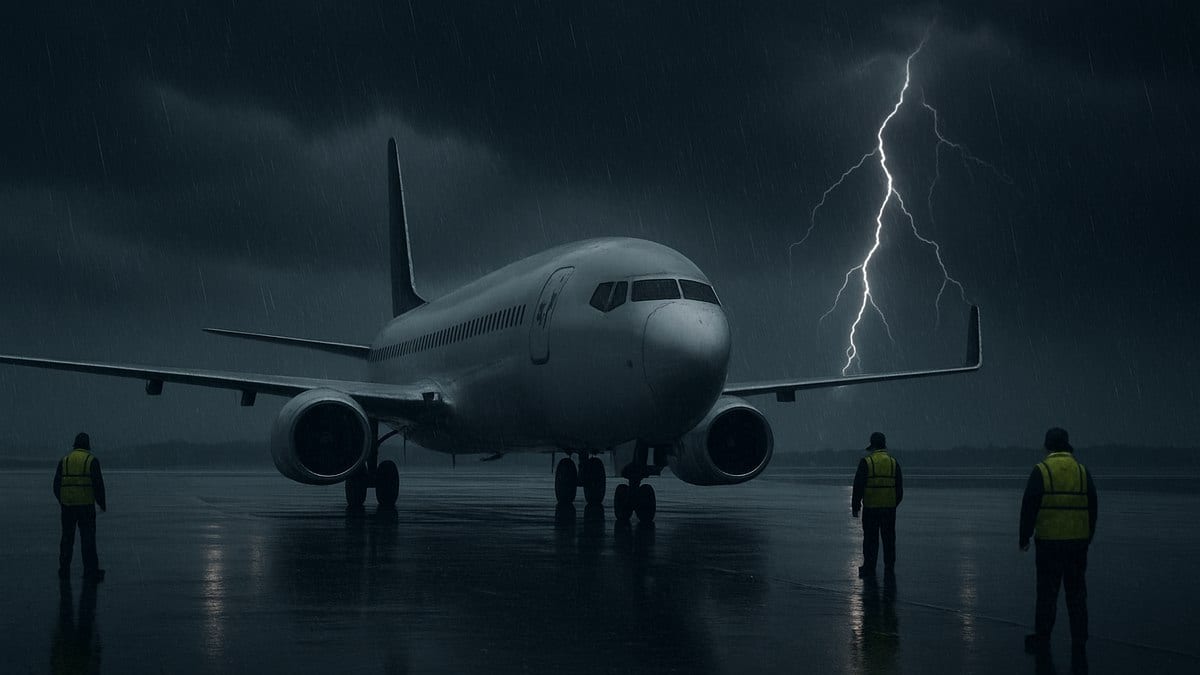
Stormier Spring Sets a Difficult Backdrop for 2026 Tournaments
Seasonal outlooks for spring 2026 point to a wetter, more unsettled pattern across key regions that host early-round and regional NCAA men’s and women’s tournament sites. Recent hydrologic assessments from federal weather agencies highlight elevated flood potential on portions of major river systems in the Midwest and Upper Mississippi basin, alongside repeated storm systems tracking across the central and eastern United States.
Short- and medium-range climate outlooks indicate above-normal precipitation probabilities through much of the tournament window, particularly across the Plains, Midwest and parts of the South. Those corridors overlap with several major aviation hubs and tournament cities, increasing the risk that heavy rain, wet snow, low clouds and thunderstorms could trigger cascading delays across the national air network just as teams and fans move between rounds.
Early March reporting has already documented how powerful storms have snarled air travel during the spring break period, with thousands of flights canceled or delayed at major hubs in Chicago, Atlanta and other central gateways. The same storm tracks that upend general leisure travel are expected to intersect with the compressed travel calendars of March Madness, where teams typically fly within hours of learning their destinations.
Recent Weather Disruptions Offer a Cautionary Template
Travel analysts note that the tournament is heading into 2026 on the heels of several high-profile weather disasters that exposed vulnerabilities in U.S. aviation resilience. A record-setting winter storm in late January 2026 produced historic snowfall and ice from northern Mexico to New England, briefly making one day among the worst on record for weather-related flight cancellations and stranding thousands of passengers nationwide.
In mid-March, a powerful blizzard and severe weather outbreak again swept the central United States during the selection and opening-round period, dumping several feet of snow on parts of the Upper Midwest while spawning thunderstorms and tornado risks farther south. Coverage from national outlets described widespread delays at major airports and highlighted how quickly airline operations can seize up when storms strike multiple hubs in succession.
These events followed earlier episodes in 2024 and 2025 in which winter storms and heavy summer convection caused thousands of flight disruptions in a single day, prompting travel waivers and large-scale schedule adjustments by major carriers. Publicly available reporting on those disruptions underlines how modern airline networks operate with limited slack, meaning severe weather in one region can ripple across the system, including to cities with clear skies but shared aircraft and crew rotations.
NCAA Travel Policies Face Climate and Capacity Pressures
Public documents outlining NCAA team travel guidelines for the 2025–26 academic year show a system that already runs on tight margins. Many men’s and women’s basketball teams are booked on charter or commercial flights departing within hours of selection announcements, and policies often anticipate same-night or next-day departures after games, leaving little flexibility when storms ground aircraft or close runways.
Memoranda describing women’s championship travel for 2026, including arrival requirements for the Final Four in Phoenix, reflect fixed reporting dates and limited windows for teams to reach host cities. While such standards help television partners and host venues plan, they also increase the stakes if a line of thunderstorms or a late-season snowstorm shuts down a key connection point during a narrow travel window.
Observers note that wetter spring patterns raise additional concerns beyond direct flight delays. Greater flood risk can affect access roads, airport parking and public transportation links, while more frequent severe weather days can require longer routings around convective storms, adding time and complexity to already crowded itineraries. For tournaments that depend on moving 68 men’s teams and 68 women’s teams, along with bands, cheer squads and officials, even minor timing shifts can quickly compound.
Host Cities, Airlines and Fans Confront Higher Travel Risk
The 2026 men’s tournament schedule places first- and second-round games and regionals in a mix of traditional basketball markets and large air hubs, including cities served by some of the nation’s busiest airports. The combination is usually an advantage for accessibility, but in a wetter, stormier spring, it also concentrates exposure to systemwide aviation disruptions just when aircraft demand is peaking.
Airlines that contract with schools for charter operations are simultaneously managing full commercial schedules filled with spring break and business travelers. During recent major storms, carriers have prioritized safety and network recovery by preemptively canceling flights, consolidating routes and repositioning crews, according to published coverage from national news outlets. Similar decisions during the 2026 tournament could leave some traveling parties waiting hours or days to secure new departure slots.
Fans who follow their teams city to city face similar exposure. Travel advisories from consumer groups and aviation-focused publications increasingly urge passengers to build additional buffers into spring itineraries, book earlier morning departures when possible, and avoid tight connections through historically congested hubs. For supporters intent on seeing multiple rounds, those strategies may now be essential rather than optional.
Planning Shifts as Climate Volatility Becomes the New Normal
Climate and water reports released in early 2026 characterize the current pattern as part of a broader trend toward more frequent and intense precipitation events across parts of the United States. Studies focusing on extreme rainfall in the eastern half of the country point to nonstationary behavior in storm intensity and distribution, complicating efforts to rely on past climatology when planning large-scale events that depend on timely aviation.
Within that context, logistics specialists expect tournament organizers, schools and travel partners to gradually adjust strategies. Potential shifts include reserving backup charter slots, staging teams closer to likely regional assignments, and coordinating more closely with meteorological services to time departures around storm systems. Some travel planners also anticipate growing use of rail or bus transfers between nearby sites when severe weather makes short-hop flights less reliable.
For now, publicly available guidance emphasizes awareness rather than alarm. Teams and fans are being encouraged through open communications and planning documents to monitor forecasts more closely, remain flexible with itineraries and prepare for longer travel days. As the 2026 tournaments approach, the central message from those tracking both climate data and aviation performance is clear: springtime college basketball is increasingly sharing the stage with a more volatile atmosphere, and everyone on the road to the Final Four may need to plan accordingly.