

More news on this day
Travel planners around this year’s NCAA championships are being urged to prepare for a turbulent 2026 tournament season, as wetter, more volatile spring weather and a strained airline system raise the risk of flight disruptions for teams and fans.
Get the latest news straight to your inbox!
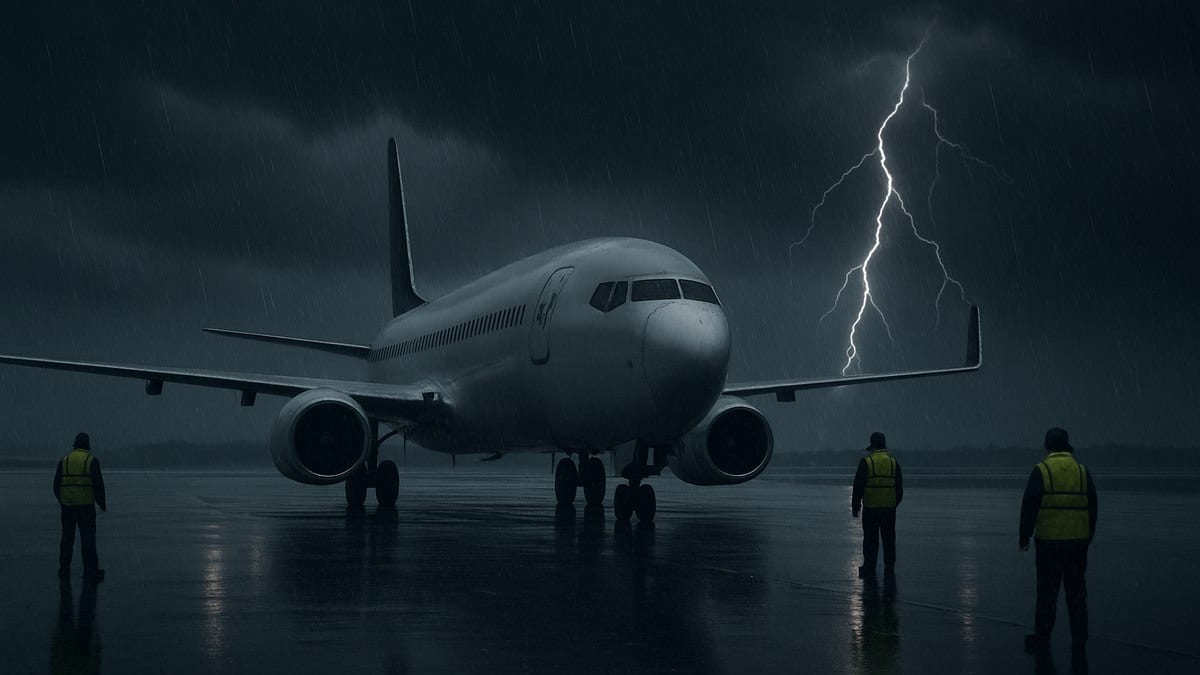
Travel Alerts Follow a Season of Weather Chaos
Recent coverage of NCAA guidance for athletic departments highlights growing concern that the 2026 men’s and women’s basketball tournaments, along with other spring championships, will unfold against a backdrop of fragile air travel and increasingly unsettled weather. A memo circulated in advance of March Madness outlined potential bottlenecks around charter availability, congestion at key hubs and the knock-on effects of storms during an already busy spring break travel period.
The warnings arrive after a series of high-impact systems across North America in early 2026 exposed how quickly aviation networks can unravel. A sprawling January winter storm produced widespread ice and snow from northern Mexico through the southern and northeastern United States, prompting travel bans in some regions and generating one of the most significant single-day tallies of weather-related flight cancellations in recent memory. Airlines were still recalibrating schedules when another major system followed in March.
That March blizzard, tracked as a powerful extratropical cyclone, buried parts of the Upper Midwest and High Plains under several feet of snow while unleashing severe weather across the Lower Mississippi Valley and the Southeast. Major corridors such as Interstate 90 closed temporarily, and air travel through large hubs in the central United States experienced cascading delays. Reports from affected airports described operations hampered by visibility limits, crew time-out rules and equipment out of position, rather than isolated runway closures alone.
By early April, additional reporting from travel outlets described rolling disruption at major U.S. hubs as spring storms collided with holiday demand. The pattern reinforced the NCAA’s message that tight scheduling windows for tournament games leave little room to absorb even routine weather issues when the broader aviation system is under stress.
Wetter Springs and Climate Trends Add New Uncertainty
Climatological summaries for recent years show that spring in many parts of the United States has become warmer and, in some regions, noticeably wetter, with a greater share of precipitation falling in heavy downpours. Research on North American storm systems indicates that a warming atmosphere can hold more moisture, contributing to intense rain events, while still supporting powerful late-season snowstorms when cold air is present. For air travel, this mix raises the likelihood of thunderstorms, low ceilings, icing conditions and rapid shifts in wind that can slow or halt operations.
Climate-focused analysis of large sporting events has also highlighted the exposure of tournaments such as March Madness to transportation disruption. Studies examining the carbon footprint of previous NCAA basketball tournaments note that air travel for teams and fans is both the largest emissions source and a key operational vulnerability. As seasonal storm patterns change, organizers face a twofold challenge: limiting environmental impact while also building more buffer into travel plans that are already highly choreographed.
Publicly available weather data for early 2026 illustrates how quickly conditions can swing. The January winter storm was followed by episodes of heavy rain in parts of the Pacific Northwest and the South, while the March system combined blizzard conditions in the north with severe convective storms in the central and eastern states. For a tournament that moves hundreds of players, staff and officials between sites over a compressed three-week span, these overlapping hazards complicate everything from charter scheduling to last-mile bus transfers.
Reports from meteorologists and climate researchers caution that individual storms cannot be attributed solely to broader climate trends, yet they add to a pattern of more frequent extremes. For sports travelers building itineraries around the 2026 tournaments, the key takeaway is that “typical” spring weather no longer guarantees smooth flying conditions, particularly when games are spread across multiple regions and time zones.
NCAA Logistics Under Pressure from Charter Shortages
The NCAA’s recent travel communication emphasized practical constraints that go beyond the weather itself. Coverage of the memo notes that charter aircraft are in higher demand across the aviation market, with sports, corporate and leisure clients competing for limited capacity. Tournament organizers traditionally rely on charters to move teams quickly between early-round sites and later regional or Final Four venues, but tighter supply means fewer backup options when storms force last-minute changes.
Industry reporting indicates that pilot availability and crew scheduling rules are also pinching capacity. Airlines facing their own network challenges have been cautious about dedicating additional aircraft and crews to one-off sporting operations at the height of the spring schedule. When combined with stricter duty-time limits and maintenance requirements, these pressures can turn a modest delay into an overnight disruption if no spare aircraft or rested crew are available.
Public documents from previous seasons show that the NCAA has long provided detailed travel guidance on topics such as preferred airports, ground transportation coordination and contingency planning. What appears different for 2026 is the degree to which broader structural strains in commercial and charter aviation are influencing those recommendations. The memo’s emphasis on flexibility, early booking and detailed backup routing reflects a recognition that traditional assumptions about readily available lift may no longer hold.
Venue selections for the 2026 men’s and women’s tournaments, including early rounds in cities such as Portland and later stages in Phoenix and Indianapolis, underscore both the opportunities and risks. These locations offer established sports infrastructure and strong tourism appeal, but they also depend heavily on large hub airports where any disruption can ripple quickly across multiple connecting markets.
What Wetter Springs Mean for Fans and Sports Tourists
For the millions of travelers who treat March Madness and other NCAA championships as anchors for spring trips, the evolving risk profile is significant. Tourism analysts tracking the 2026 tournaments report surging demand for flights and hotel rooms in host cities, particularly around the men’s and women’s Final Fours. At the same time, accounts of repeated spring storm disruptions have prompted more travelers to seek flexible fares, refundable lodging and travel insurance that explicitly covers weather-related delays.
Economic impact studies from recent tournament hosts point to sizable gains for local hospitality sectors, from hotels and short-term rentals to restaurants and entertainment venues. Yet those benefits are increasingly intertwined with the resilience of the air networks that feed visitors into the city. When storms ground flights or push arrivals into the early morning hours, occupancy patterns, staffing schedules and local transport systems all feel the strain, sometimes eroding the very gains the events are meant to deliver.
Observers in the travel industry have noted a shift in advice being offered to fans planning 2026 trips. Recommendations now commonly include arriving at least a full day before critical games, favoring non-stop flights where possible and packing light to improve chances of rebooking during irregular operations. The experience of early 2026 has shown that tightly timed same-day connections carry greater risk when even minor convective cells or wind shifts can slow departures across a region.
For destination marketing organizations, the NCAA’s weather-focused warnings offer both a challenge and an opportunity. Cities that can demonstrate robust airport operations, diverse routing options and coordinated ground transport stand to differentiate themselves in future bid cycles. However, as climate variability shapes wetter and less predictable springs, even well-connected hubs will need to invest in communication, passenger care and contingency planning to keep marquee sports events attractive to traveling fans.
Looking Ahead to the Remainder of the 2026 Championship Calendar
While the spotlight often falls on the Division I basketball tournaments, the NCAA’s spring calendar spans a broad range of championships in sports such as swimming and diving, gymnastics, hockey, baseball and softball. Many of those events rely on similar travel patterns, with teams and supporters navigating a patchwork of regional airports and connecting hubs during the same storm-prone months.
Schedules released for 2026 show national championships stretching well into May, meaning that any prolonged period of unsettled weather could affect not only basketball but also later tournaments. The January and March storms served as early tests of how quickly airlines can restore normal operations after large-scale disruption, and the results were mixed, with some hubs recovering in a day while others struggled with backlogs for much longer.
Travel risk specialists observing these developments argue that flexibility and redundancy are becoming central features of successful sports tourism planning. That may involve teams blocking extra time between games, conferences staggering travel dates where possible, or fans opting for alternative airports that offer more routing choices. The NCAA’s own messaging encourages participants and spectators to view itineraries as living documents that may require on-the-fly adjustments if the forecast shifts.
As the 2026 championship cycle advances, the intersection of wetter spring seasons, climate variability and aviation constraints is likely to remain a defining storyline. For travelers, the lesson from the latest NCAA travel advisories and recent storm seasons is clear: March and April still offer some of the most compelling moments in college sports, but reaching those moments now demands more preparation, patience and attention to the skies.