

New England has a reputation for postcard scenery and polished small towns, but also for prices that can surprise unprepared travelers. From some of the most expensive hotel rates in the United States in Boston to relatively gentle costs in the rural corners of Maine and Vermont, the region’s six states span a wide range of budgets. As of early 2026, inflation has cooled a little but has left a lasting mark on travel prices, especially for lodging and dining. Understanding the main cost drivers before you go can help you choose where to splurge, where to save, and how to shape an itinerary that fits your budget.
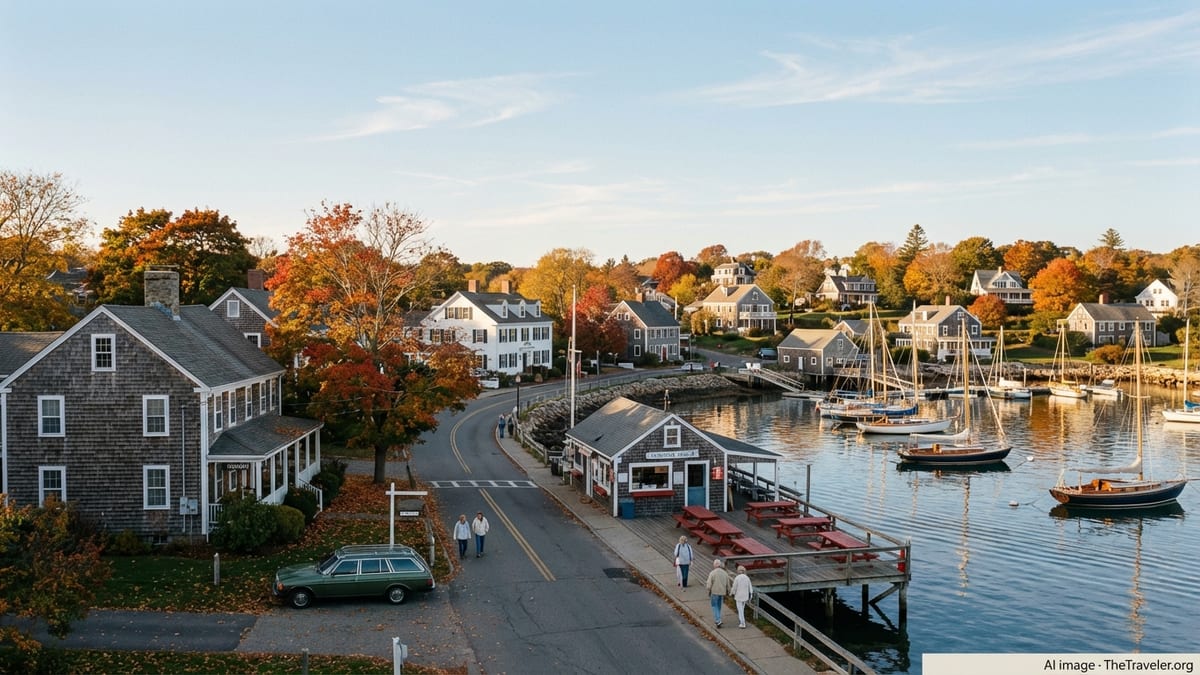
How Overall Costs Compare Across New England
New England is compact on the map, but prices can shift significantly as you move from one state or city to another. Massachusetts and Connecticut tend to be the most expensive overall, driven by Boston and coastal resort towns. New Hampshire and Vermont generally sit in the middle of the pack, with higher prices in ski and foliage destinations and lower ones in smaller towns. Maine and Rhode Island can be relatively moderate outside of peak summer weekends, though popular coastal hubs like Bar Harbor and Newport command a premium.
Travelers who have visited other large U.S. cities recently will find that major New England hubs feel broadly similar. Boston, in particular, now ranks among the priciest hotel markets in the country, with average rates for central properties well over two hundred dollars per night in 2024 and 2025. By contrast, inland areas in Maine, northern New Hampshire, and much of Vermont still offer motels and small inns that can be considerably more affordable, especially midweek and outside ski or foliage seasons.
If you are looking at a weeklong trip that mixes at least one city with several rural or small-town stops, a rough planning benchmark for 2026 might be a daily budget in the low to mid hundreds of dollars per couple for comfortable midrange travel. That figure can jump higher if you spend most nights in Boston or inside the marquee coastal towns, or drop if you base yourself in inland areas and self-cater some meals. For solo travelers and families, shifting the mix of lodging types and transportation can have an outsized impact on the bottom line.
New England’s compact size makes it tempting to “do it all,” but each extra destination adds transportation, parking, and often higher nightly rates. Building your itinerary around two or three bases, rather than a new hotel every night, is one of the simplest ways to keep costs in check while still sampling different parts of the region.
Lodging: The Biggest Line Item
Lodging is almost always the largest share of a New England travel budget, and the gap between city and countryside is especially pronounced here. In Boston, surveys of centrally located hotels with at least three stars show average nightly rates for the most affordable double rooms in the mid to high three hundreds during peak months, with many properties pricing higher on busy weekends or around major events. In 2024 the city’s average daily room rate across the market was already above two hundred dollars, and prices rose again into 2025, leaving Boston among the most expensive hotel markets in the United States.
Elsewhere in the region, typical nightly prices are gentler but still reflect the effects of recent inflation. In popular mid-sized cities such as Portland, Maine; Burlington, Vermont; and Providence, Rhode Island, budget-conscious travelers can still find basic chain hotels or older motels that may hover around or modestly above one hundred dollars per night outside of peak periods, with midrange boutique properties commonly landing in the low to mid two hundreds. In smaller inland towns, especially those away from ski resorts or major lakes, independent motels and inns can dip below that level, particularly midweek or in shoulder seasons.
On the coasts and in resort areas, rates climb sharply when demand spikes. Bar Harbor, coastal Cape Cod towns, Newport, the White Mountains during foliage season, and major ski resorts in Vermont and New Hampshire commonly see nightly prices that rival or approach Boston for the most desirable weekends. Minimum stays of two or three nights are also more frequently imposed in summer and during holiday or foliage periods, which can raise the total cost of a getaway even if the nightly rate itself seems manageable.
Travelers willing to be flexible about location and style usually have the best luck managing lodging costs. Staying a short drive from the shoreline on Cape Cod, choosing inland Maine instead of the busiest harbor towns, or looking just outside Boston’s core in areas served by public transit can trim nightly costs without sacrificing access. Booking several months in advance for summer and fall, or accepting smaller rooms and older properties in exchange for lower prices, are among the most reliable strategies for keeping this category from consuming your entire budget.
Food and Drink: From Lobster Rolls to Farm-to-Table
Dining in New England ranges from inexpensive diners and clam shacks to high-end tasting menus, and many travelers find this category easier to flex than lodging. In city centers and resort towns, a sit-down dinner at a midrange restaurant commonly costs in the mid twenties to mid forties per person before tax and tip, depending on what you order. In Boston, for example, a casual meal in central neighborhoods typically lands in that band, while cocktails, raw bars, and seafood-focused menus can quickly push a night out higher.
In small towns and inland areas, particularly in northern New England, prices can be somewhat lower, although the difference has narrowed in recent years as ingredient and labor costs have risen. Expect to pay cafe-level prices for coffee and snacks that are broadly similar across the region. A specialty coffee and pastry in a popular bakery may easily approach or exceed ten dollars, especially in touristy neighborhoods or historic downtowns.
New England’s strong farm-to-table culture, especially in Vermont and parts of Maine and western Massachusetts, influences both the availability and the cost of meals. Many visitors are happy to pay a bit more for locally sourced ingredients and seasonal menus in these areas, but it is still possible to eat affordably by mixing restaurant meals with picnics and self-catered breakfasts. Grocery prices in New England run somewhat higher than the U.S. average, yet buying simple staples and prepared foods is usually more economical than three restaurant meals a day.
Alcohol can significantly affect the daily food and drink budget. Craft beer, cider, and regional spirits are a big draw in many New England destinations, and tastings, brewery flights, and cocktails add up quickly. Travelers who want to sample these without overspending often limit pricey drinks to a few standout venues and lean on supermarket or takeout options otherwise. Tipping is customary and expected, with 18 to 20 percent now standard for full-service dining, and that should be factored into any realistic estimate of total food costs.
Transportation: Driving, Transit, and Getting Around
New England’s compact geography makes it feasible to cover multiple states in a single trip, but transportation choices shape both the budget and the overall experience. Many visitors fly into Boston and either stay car-free in the city or rent a vehicle for the rural legs of their journey. As of early 2026, the regional average price for gasoline has hovered around the low three dollars per gallon, with some month-to-month fluctuations. That level is not extreme by recent standards but is still material for longer road trips, especially when combined with tolls and parking.
Car rental rates have moderated somewhat from their post-pandemic peaks but remain a substantial line item, particularly in summer. In and around Boston, daily rates for a standard vehicle often sit in the mid double digits before taxes, fees, and insurance, with higher prices during busy travel periods. Renting from airport locations can add surcharges compared with off-airport depots. If you are traveling as a couple or group and plan to explore smaller towns, national parks, and ski or lake regions, a car is usually the most practical option despite these costs.
Within Boston and Providence, visitors can rely on public transportation for much of their stay. Boston’s subway system, the T, currently charges a little over two dollars for a standard one-way ride, and day passes remain a cost-effective choice for heavy users. Commuter rail and regional buses connect many suburbs and smaller cities, though service can be infrequent on weekends and in more rural stretches. Rideshare services and taxis fill in gaps but should be budgeted as occasional rather than primary modes of transport if you are cost conscious.
Parking and tolls are easy to overlook during trip planning but are important in New England. Hotel parking in Boston and other cities can climb into the twenty to forty dollar per day range or higher, and popular coastal towns often charge for municipal lots during the peak season. Tolls on key routes, such as those entering or passing near major metro areas, can add up over the course of a weeklong driving itinerary. Factoring these ancillary costs into your budget can prevent unwelcome surprises at the end of the trip.
Seasonality: When Prices Spike and When They Soften
New England’s four distinct seasons are part of its charm, but they also create pronounced swings in travel costs. In much of the United States, summer is simply high season. In New England, high season fragments into multiple expensive windows: late spring graduations in college-heavy cities, the summer beach season, prime foliage weeks in late September and early October, and winter holidays and ski periods in the mountains. Each of these brings its own price patterns for flights, hotels, and rental cars.
In Boston, hotel rates peak in October and during marquee events such as the Boston Marathon and major university graduations, when even basic rooms in central areas can climb to several times their low-season prices. Coastal areas such as Cape Cod, the islands, Bar Harbor, and Newport see similar surges from roughly late June through August, with weekend stays especially costly and minimum-night requirements common. Mountain resorts in Vermont and New Hampshire raise rates in winter and again during the short but intense foliage window.
For cost-conscious travelers, shoulder seasons can offer the best balance of lower prices and enjoyable weather. Late April into early June, and again from roughly late October into early December, often bring softer hotel rates and fewer crowds, though certain weekends still sell out around local festivals and university calendars. Winter outside of holidays and prime ski weekends can also be surprisingly affordable in cities and along the coast, with the trade-off of shorter days and a real chance of snow and cold.
The most expensive mistake many visitors make is assuming that a quick weekend in peak season will be only marginally pricier than a weekday stay. In reality, Friday and Saturday nights in popular destinations during summer or foliage can cost dramatically more than midweek nights, and those higher nightly rates ripple through the total budget. If your dates are flexible, shifting even a day or two away from the busiest periods can unlock notable savings on both flights and lodging.
Activities, Attractions, and Hidden Extras
Compared with lodging and transportation, many of New England’s core experiences are reasonably priced, and some are free. Hiking in the White Mountains, walking coastal trails in Maine, wandering historic town centers, and enjoying lake beaches and state parks can all be done at low cost aside from parking or modest day-use fees. This is one reason travelers who lean into outdoor activities often report more moderate daily budgets even when lodging prices are high.
City attractions, by contrast, require more careful budgeting. Museum admissions in Boston, Providence, and Hartford are broadly in line with other large U.S. cities, with headline institutions often charging a significant per-person fee and special exhibitions costing extra. Historic sites, harbor cruises, whale watching excursions, and guided walking tours contribute both to the richness of a trip and to the overall cost. In coastal areas and on the islands, boat trips and water-based tours can be among the higher-ticket items on an itinerary.
Family travelers should be especially mindful of cumulative costs. Multiplying every museum ticket, boat ride, and ice cream stop by several people quickly inflates the daily spend. Many destinations in New England offer combined passes, discount cards, or free-admission days for certain attractions. Taking advantage of these, and spacing out paid activities with free outdoor time, can keep the trip enjoyable without a constant sense of watching the clock or the wallet.
There are also quiet extras that do not always show up in headline budgets. Resort fees at some hotels, parking charges at trailheads, increased restaurant service fees in certain cities, and higher prices for basic necessities in isolated or heavily touristed towns can add up. Building a small buffer into your daily budget for these unglamorous but real expenses provides breathing room and helps avoid the feeling of “nickel and diming” once you are on the ground.
Sample Daily Budgets and Ways to Save
Because every traveler’s style is different, any sample budget for New England should be treated as a rough framework rather than a promise. That said, it is possible to outline broad ranges. A frugal solo traveler willing to stay in hostels or older motels, rely on public transport or shared rides, and mostly self-cater meals might target a daily budget starting in the low hundreds of dollars in Boston and somewhat lower in smaller cities and rural areas. Couples or friends sharing lodging can sometimes keep per-person costs similar by splitting hotel rooms and car rentals.
Midrange travelers who prefer centrally located hotels, a mix of casual restaurants and occasional splurge meals, and a handful of paid activities should expect higher daily outlays, especially if much of the trip is anchored in Boston, coastal resort towns, or ski areas. In practical terms, this might mean planning for a comfortable but not luxurious budget that reflects recent increases in hotel and restaurant prices. Luxury travelers seeking high-end hotels, fine dining, private tours, and peak-season dates can easily spend several times as much, particularly in the region’s marquee destinations.
Regardless of budget level, certain strategies tend to pay off. Booking lodging early for peak periods, being flexible on arrival and departure days, and mixing a few nights in premium locations with more time in less expensive bases are all powerful levers. Using public transit in cities instead of renting a car the entire time, traveling in shoulder seasons, and focusing on free or low-cost outdoor activities can also produce meaningful savings without diminishing the experience.
Above all, clarity about your own priorities is the best cost-control tool. New England rewards travelers who know where they want to invest: perhaps that means a splurge on a harbor-view inn with simpler meals and self-guided hikes, or conversely, modest lodging that frees up funds for concert tickets, whale watching, or celebrated restaurants. By aligning spending with what matters most, the region’s relatively high baseline costs become more manageable and more satisfying.
The Takeaway
Traveling in New England in 2026 is rarely inexpensive, but it does not have to feel out of reach. The region combines some of the highest hotel prices in the country in Boston and select resort towns with more approachable costs in inland and lesser-known areas. Lodging almost always dominates the budget, while food, transportation, and activities are more flexible depending on your choices.
Seasonality is a key driver of what you will pay, with sharp peaks during summer, foliage, and major city events, and noticeable relief during shoulder periods and off-peak months. Travelers who can be flexible on timing, location, and style of accommodations have the best chance of shaping a trip that fits their financial comfort zone while still delivering the landscapes, history, and culture that make New England special.
Homework before you book goes a long way. Comparing nightly rates across nearby towns, checking public transit options, and penciling out realistic daily food and activity costs can prevent sticker shock and help you build a balanced itinerary. With a realistic sense of what to expect and a willingness to make a few strategic tradeoffs, New England remains a richly rewarding region to explore.
FAQ
Q1. Is Boston really that expensive compared with the rest of New England?
Yes, Boston consistently ranks among the priciest hotel markets in the United States, with average central hotel rates well above most other New England cities. Food and parking are also noticeably higher, so even short stays can have a significant impact on a trip budget.
Q2. Which New England destinations are most affordable for a road trip?
In general, smaller inland towns in Maine, New Hampshire, and Vermont, as well as parts of western Massachusetts, offer more moderate lodging and dining costs. Avoiding the most famous coastal and ski resorts, and visiting outside peak weekends, usually leads to the best value.
Q3. How much should I budget per day for a midrange New England trip?
For a couple, a midrange daily budget that allows for comfortable lodging, meals at casual restaurants, and a few paid activities typically falls in the low to mid hundreds of dollars, depending heavily on how many nights you spend in Boston or premium resort towns.
Q4. When is the cheapest time of year to visit New England?
Late fall after peak foliage, parts of winter outside ski holidays, and early spring before graduation season tend to bring softer hotel rates and fewer crowds. Shoulder periods can be cooler and less predictable weather-wise, but they often provide the best value.
Q5. Do I really need a car, or can I rely on public transportation?
In Boston and Providence, public transit and rideshares work well for most visitors, and going without a car saves on parking and rental fees. For exploring rural regions, small towns, and many coastal and mountain areas, however, a car remains the most practical option.
Q6. Are there ways to save on food without missing out on local specialties?
Yes. Many travelers eat a light or self-catered breakfast, choose casual spots for most lunches, and then reserve restaurant splurges for a few memorable dinners. Sharing larger dishes, skipping some alcoholic drinks, and picnicking with local market finds can keep costs in check.
Q7. How much do activities and attractions usually cost?
Many outdoor activities such as hiking, beach visits, and scenic drives are low-cost or free aside from parking. City museums, historic sites, and boat tours vary widely but can add up, especially for families, so it helps to select a few priority experiences rather than trying to do everything.
Q8. What surprise expenses should I watch for on a New England trip?
Common extras include hotel parking fees, resort or facility fees, tolls, higher prices for basics in heavily touristed towns, and service fees or higher tips on restaurant bills. Building a small buffer into your budget for these items is wise.
Q9. Is it cheaper to base in one place and day-trip, or to move around?
Staying in one or two bases and taking day trips usually reduces costs tied to frequent hotel changes, such as higher nightly rates and repeated parking charges. It can also make it easier to negotiate better lodging rates for longer stays.
Q10. How far in advance should I book to get reasonable prices?
For peak summer, foliage, major city events, and popular ski periods, booking several months in advance is advisable, especially for weekends and smaller inns. Shoulder-season trips offer more flexibility, but even then, securing lodging a few weeks ahead often yields better rates and choices.