

More news on this day
Lufthansa passengers face renewed disruption at the start of the week, as fresh strike action linked to ongoing labor disputes is expected to trigger mass cancellations on Monday and Tuesday and leave tens of thousands of travelers stranded across Germany and beyond.
Get the latest news straight to your inbox!
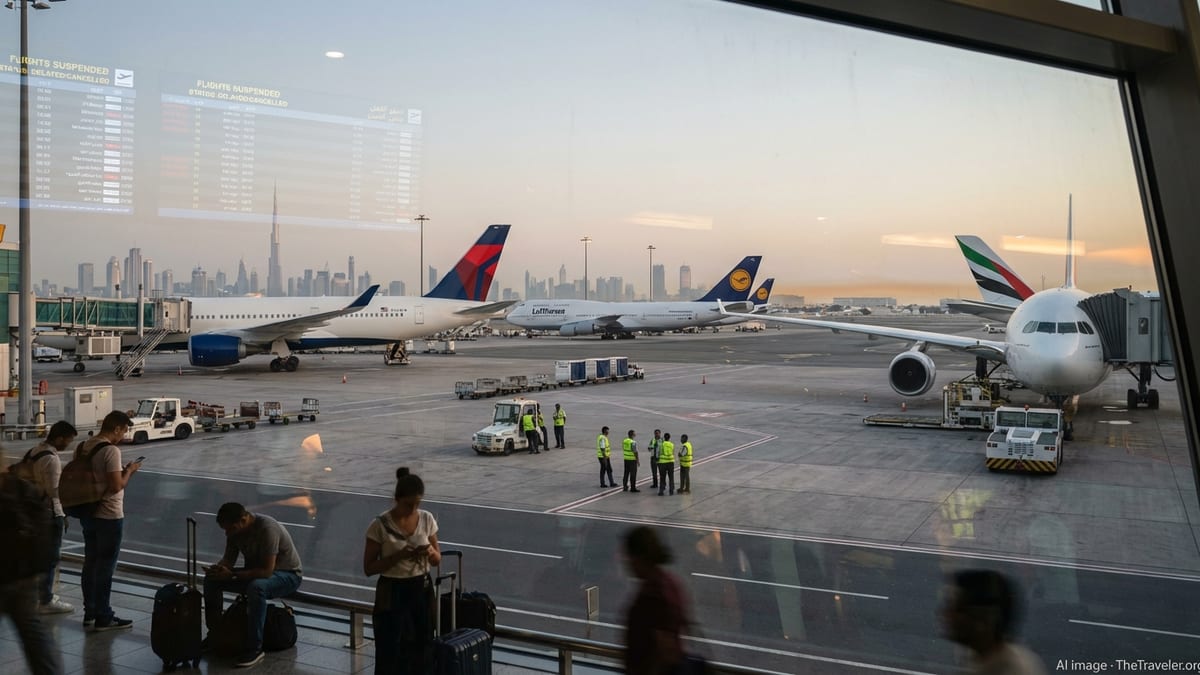
Fresh Walkouts Follow Easter Weekend Turmoil
The latest strike wave comes on the heels of a major walkout by cabin crew on Friday, April 10, which forced the cancellation of hundreds of flights at Lufthansa hubs in Frankfurt and Munich and left terminals crowded with frustrated passengers. Reports indicate that more than 500 flights were scrapped in a single day, with knock-on delays rippling across the network into the weekend.
Operational data and published coverage suggest that the disruption affected well over 100,000 travelers during the Easter return period, many of whom faced long queues at service counters, limited rebooking options and extended overnight stays near airports. The airline has acknowledged through public statements that the scale of the cancellations made it impossible to find immediate alternatives for everyone impacted.
As schedules stabilize following the Easter chaos, renewed strike plans for Monday and Tuesday threaten to undo much of the recovery. Labor groups representing key categories of staff have signaled that further stoppages are likely, keeping pressure on management in a dispute that has already produced several major strikes this year.
For travelers, that means the week is starting under a cloud of uncertainty, particularly for those booked on early morning departures from Germany’s largest hubs or relying on tight connections through Frankfurt or Munich.
Labor Disputes Deepen at Germany’s Flag Carrier
Lufthansa has already contended with multiple rounds of industrial action in 2026, including coordinated walkouts by pilots and cabin crew in February and further stoppages in March that forced the airline to introduce special reduced schedules. Publicly available information shows that earlier strikes led to the grounding of hundreds of flights and disrupted travel plans for more than 100,000 passengers on single strike days.
The current wave of unrest centers on pay, working hours and job security for frontline staff, who argue that years of inflation and intensified workloads have eroded real incomes and working conditions. Union representatives have framed the latest actions as part of a broader push to secure wage increases and protections that reflect post-pandemic travel demand and the cost of living in Germany.
Lufthansa, for its part, has warned in public communications that repeated strikes are causing significant financial damage and undermining confidence among travelers, particularly at a time when airlines are still rebuilding long haul and corporate traffic. The company has stressed that it is attempting to balance staff demands with competitive pressures and volatile fuel costs that continue to weigh on the broader aviation sector.
The absence of a breakthrough in negotiations has created a climate in which further short-notice walkouts remain a constant possibility. This is now feeding into flight schedules for Monday and Tuesday, as planners build in contingency measures and passengers brace for last minute changes.
Monday and Tuesday Flights Braced for Mass Cancellations
Based on the pattern of recent actions and advance warnings already issued for the start of the week, industry observers expect Lufthansa to cancel a significant share of its Monday and Tuesday flights from German hubs, particularly on short haul and medium haul routes within Europe. In previous strike rounds this year, cancellations have affected the majority of departures from Frankfurt and Munich on targeted days.
Travel data firms and consumer-rights organizations monitoring the disruption anticipate that tens of thousands of passengers could once again be stranded or heavily delayed over the two day period. Long haul services are likely to operate at a reduced frequency but may be prioritized compared with some feeder and regional flights, which are more vulnerable when crews walk out.
Even passengers whose flights are not directly canceled may face missed connections, aircraft rotations that fall out of sync and crew rostering problems. The experience of earlier strikes shows that once a critical number of flights is grounded in the morning, recovery can take many hours, sometimes pushing disruption late into the night and into the following day.
Those traveling on itineraries involving partner airlines within the Lufthansa Group or allied carriers may also feel the impact, as aircraft and crews are repositioned and schedules are adjusted in response to gaps in the network. The interconnected nature of hub operations means that a stoppage focused on Germany can quickly create challenges for flights across Europe, North America, the Middle East and Asia.
What Passengers Can Expect and How to Prepare
For passengers due to fly on Monday or Tuesday, publicly available guidance from the airline and consumer advocates points to several likely scenarios. Many travelers on affected services will receive advance cancellation notices with automated rebookings onto later flights or alternative routings, although high load factors after the holiday period mean that spare seats may be limited on some routes.
Those whose trips are canceled altogether may be offered full refunds or the option to rebook within a specified travel window without change fees. In previous strike events, Lufthansa and partner carriers have also permitted free rebooking onto different travel dates as long as passengers keep the same origin and destination, and in some cases have allowed train substitutions on domestic German routes.
However, the volume of disrupted journeys means that call centers and airport service desks are likely to be under heavy strain, particularly during the first hours of the strike periods. Travelers have been advised in prior disruptions to use digital channels, airline apps and online self service tools where possible, to avoid long queues at counters that may themselves be understaffed.
Even for flights that remain scheduled, passengers are being urged by travel organizations to build in additional time at airports, watch for last minute gate changes and consider travel insurance that specifically covers strikes. Given the rolling pattern of industrial action at Lufthansa this year, flexibility on travel dates and routing is likely to be an asset for anyone planning trips through Germany in the coming weeks.
Passenger Rights Under European Regulations
The latest strikes are once again putting a spotlight on European air passenger protections. Under regulation EC 261, travelers whose flights are canceled or heavily delayed departing from an EU airport or operated by an EU carrier are generally entitled to assistance such as meals, refreshments, hotel accommodation where necessary and transport between the airport and lodging.
In addition, many travelers may qualify for financial compensation, depending on flight distance, length of delay and the specific circumstances of the disruption. Legal specialists and consumer-rights organizations note that airline staff strikes are often treated as part of an airline’s normal business risks rather than extraordinary circumstances, which can make it more difficult for carriers to avoid compensation liability.
Passengers are typically encouraged to retain boarding passes, booking confirmations and receipts for any additional expenses incurred as a result of cancellations or missed connections. Claims can usually be submitted directly to the airline through dedicated online forms, though processing times may lengthen when tens of thousands of travelers file cases at once.
With fresh walkouts looming at Lufthansa on Monday and Tuesday, the combination of operational disruption and complex compensation rules means that many travelers will be navigating not only crowded terminals and shifting schedules, but also an intricate regulatory framework designed to protect their rights when flights fail to operate as planned.