


More news on this day
Families heading abroad for summer trips are being urged to prepare for tougher scrutiny at United States borders, as new digital vetting measures, expanding biometric checks, and rising electronic device searches reshape what travelers can expect when they return from vacation.
Get the latest news straight to your inbox!
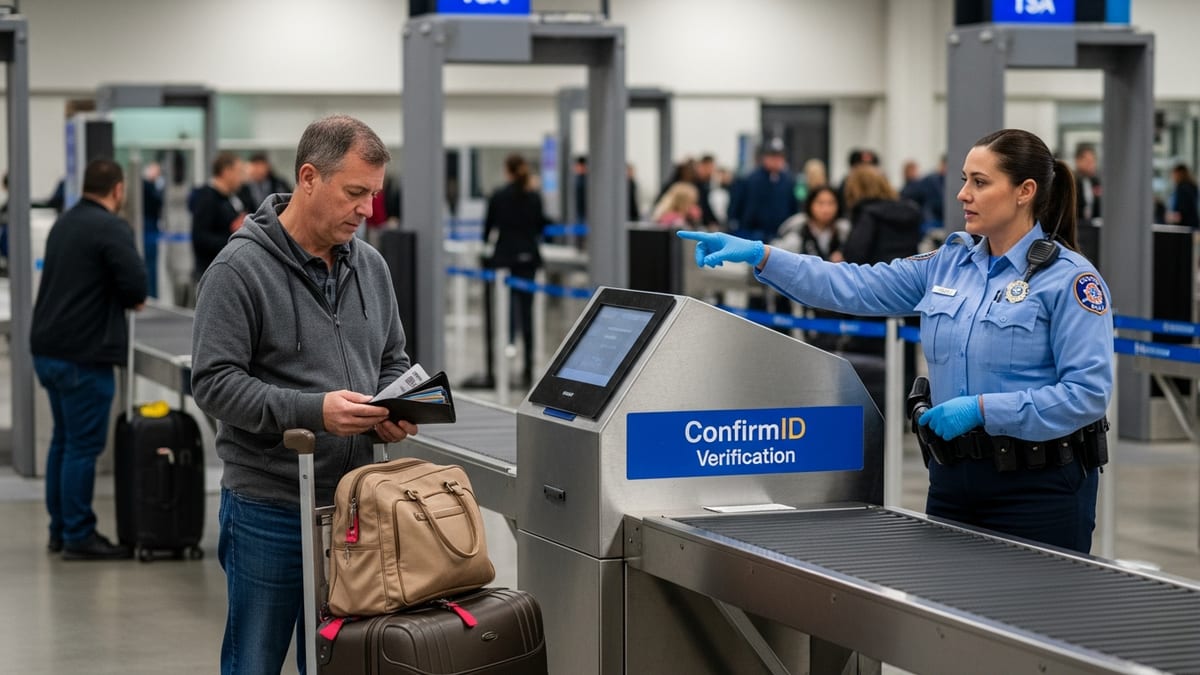
New Enforcement Climate Raises Stakes for Routine Leisure Travel
Recent policy moves and enforcement trends at U.S. ports of entry are reshaping the experience of crossing the border, even for citizens and long-time residents on routine holidays. Publicly available data compiled from government statistics and legal analyses shows a steady rise in secondary inspections and electronic device searches at airports and land crossings, with a particular focus on travel patterns, digital footprints, and detailed family information.
Legal commentary published in the first half of 2026 describes how Customs and Border Protection combines customs, immigration, and security checks into a single, increasingly data-driven inspection process. For families, that means routine questions about where they stayed or what they purchased abroad now sit alongside more probing inquiries about children traveling with one or both parents, consent from non-traveling guardians, and prior immigration or criminal records linked to any member of the group.
Observers note that this tougher climate does not target tourists explicitly, but its impact is felt most sharply at the level of ordinary travel. Parents planning beach vacations, theme park trips, or extended visits with relatives overseas are encountering longer lines, more frequent referrals to secondary inspection, and heightened interest in anything that appears irregular, from mismatched surnames on children’s documents to unusual itineraries and one-way tickets.
Civil liberties advocates and travel industry groups warn that the cumulative effect is a border environment where even low-risk families can feel as though their leisure trips are being treated as potential enforcement cases, particularly when officers have broad discretion to inspect devices or question travelers about their online activities.
Social Media, Family Details, and ESTA: New Pre-Travel Hurdles
The most visible shift for many international visitors is occurring before they even board a flight. Coverage in European and U.S. travel media highlights a redesign of the Electronic System for Travel Authorization used by citizens of Visa Waiver Program countries. Under proposals and follow-on adjustments reported over the past year, many ESTA applicants are now asked for five years of social media identifiers, up to ten years of email history, and expanded information on close family members.
Reports indicate that U.S. border agencies are moving toward more targeted use of this data, tying the intensity of questioning to how travelers respond within the online form. Industry associations representing hotels and tour operators have publicly criticized the approach as a potential barrier to inbound tourism, describing the collection of extensive digital and family background data as intrusive and confusing for casual visitors, including parents planning short family trips.
For U.S. families traveling with foreign relatives or dual nationals who rely on ESTA, these changes mean that a multi-generational holiday can be derailed at the application stage if someone hesitates to provide social media information or struggles to recall older email addresses and contact details. Travel advisors now recommend that families gather this information well in advance of booking nonrefundable flights or accommodations.
Immigration lawyers and policy analysts also point out that the social media dimension does not end with the form itself. Publicly available guidance and commentary emphasize that officials can compare what they see online with answers given during inspection, potentially flagging posts about work, study, or long-term stays abroad that appear inconsistent with a declared tourism purpose.
Device Searches and Biometric Expansion: Your Phone, Photos, and Face at the Border
A key driver of concern about family travel is the steep rise in electronic device searches. News reports drawing on Customs and Border Protection statistics show that in 2025, officers conducted more than 55,000 searches of phones, laptops, and other devices at U.S. ports of entry, an increase of roughly 17 percent over the previous year. The numbers, while still small compared with overall arrivals, point to a growing reliance on digital evidence during inspections.
Revised directives made public in early 2026 indicate that the list of searchable items now explicitly includes smartphones, tablets, smartwatches, flash drives, SIM cards, cameras, and even vehicle infotainment systems. Legal explainers note that officers may conduct so-called basic searches without suspicion, while more advanced, forensic-style examinations typically require supervisory approval and a stated national security or law enforcement concern.
At the same time, a final rule from the Department of Homeland Security is pushing forward a long-planned biometric Entry and Exit system, with implementation milestones running through late 2025 and beyond. Industry briefings describe expanded use of facial recognition cameras at boarding gates and arrival halls, feeding into databases designed to track entries, departures, and overstays.
For families, these developments mean that a simple return from an overseas resort may now involve being photographed as they board their plane, having children verify their identity through biometric kiosks, and facing the possibility that an officer will request access to a parent’s or teenager’s phone during inspection. Even when searches are brief, the impact on privacy and the power imbalance in such moments has become a central focus of debate among lawyers and digital rights groups.
Family Units Under the Microscope: Proving Relationships and Intent
Another factor drawing attention from travel planners is the way border enforcement is treating so-called family units. A recent report from the Department of Homeland Security’s Office of Inspector General reviewed how limited DNA testing has affected the ability to detect fraudulent family relationships at the southwest border. While that audit centered on irregular migration cases, it underscores a broader policy interest in verifying kinship claims whenever adults cross with minors.
Legal guides on the inspection process stress that officers may ask detailed questions about how children are related to the adults accompanying them, particularly when surnames do not match, when only one parent is present, or when a child is traveling with extended family or family friends. Some countries already require notarized consent letters for such trips, and U.S. inspection practices increasingly reflect parallel concerns over child welfare and potential trafficking.
Families arriving from vacation hotspots in Mexico, the Caribbean, or Central America can therefore face additional questioning or delays if their documentation is incomplete. Travel law specialists recommend carrying birth certificates, custody judgments where applicable, and signed letters from non-traveling guardians, especially for blended families or situations where children use a different last name.
Compounding this scrutiny is a wider enforcement narrative that links travel patterns and family composition to risk. Public discussions of license plate reader programs, cross-database vetting, and pattern analysis suggest that multi-day cross-border drives, frequent short trips, or unusual routing can draw attention. For families who split time between homes or relatives on both sides of a border, this can result in repeat referrals to secondary inspection even when no law has been broken.
What Families Can Do Now to Reduce Travel Disruption
While there has been no single dramatic announcement aimed directly at vacationing families, the accumulation of new rules and technologies is already reshaping the practical realities of trips in and out of the United States. Legal commentators generally advise preparing for the possibility of secondary inspection as a normal part of international travel rather than a sign of wrongdoing.
Practical recommendations emerging from lawyers, privacy advocates, and travel organizations include traveling with fully charged devices, minimizing sensitive data carried across the border, and backing up important information before departure in case a phone or laptop is taken for off-site review. Some counsel suggest using separate devices that contain only essential travel information, messaging apps, and basic photos, particularly for individuals who are worried about exposing work material or confidential communications.
Families are also encouraged to ensure that all passports, visas, and ESTA approvals are valid well beyond the dates of travel, and that children’s documents match accompanying adults as closely as possible in spelling and biographical details. Keeping printed itineraries, hotel confirmations, and evidence of ties back home, such as employment letters or school enrollment, can help answer questions about the true purpose and duration of a trip.
As peak vacation seasons approach, the common thread in publicly available guidance is that border crossings are becoming more meticulous, especially where digital data and family arrangements are involved. For many travelers, the new reality is that a successful holiday does not end at the airport check-in desk, but only once the entire family has cleared U.S. inspection with devices, documents, and plans in careful order.