

More news on this day
New Zealand’s tourism revival is running into a new headwind, as steep fuel and transport costs push holiday prices sharply higher for both international visitors and domestic travelers.
Get the latest news straight to your inbox!
Tourism Recovery Meets a Cost-of-Living Shock
After a strong rebound in visitor numbers through 2024 and into 2025, New Zealand’s tourism sector is now confronting a different kind of challenge: affordability. International arrivals have climbed back to around 85 to 86 percent of pre-pandemic volumes, according to a range of industry analyses and official statistics, but operators report that many travelers are staying for fewer days, trading down on activities, or delaying trips altogether as overall trip budgets balloon.
Publicly available data on international tourism spending shows that total visitor expenditure has risen faster than arrivals, suggesting that each trip is costing significantly more than before. Analysts point to higher airfares, increased accommodation and insurance costs, and elevated prices for food and activities as key factors. Underpinning many of these increases are sustained high fuel costs, which have lifted the price of moving people and goods across a geographically stretched country reliant on aviation and road transport.
New Zealand’s remoteness means long-haul flights are essential for most visitors, and there are limited substitutes for domestic air and vehicle travel once they arrive. As a result, the country is acutely exposed to shifts in global oil markets and local fuel taxes. A series of price spikes since 2022, along with the gradual unwinding of earlier fuel tax discounts, has filtered through to transport and freight costs that tourism businesses say are now difficult to absorb.
Industry observers note that while headline tourism revenue figures remain robust, rising operating costs are eroding margins, particularly for small and regional operators. Many are facing a delicate balancing act between lifting prices to remain viable and keeping experiences affordable enough to attract visitors in a competitive global travel market.
Petrol Above Three Dollars a Litre Hits Road-Trip Culture
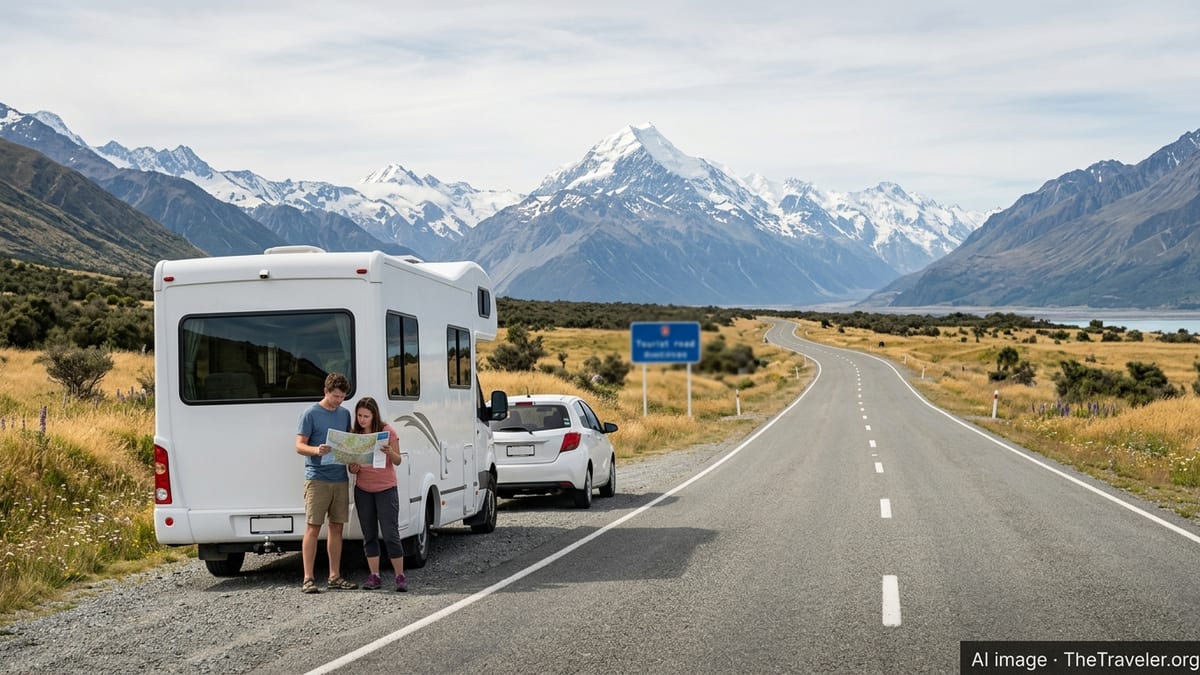
Road trips are a defining feature of New Zealand holidays, from campervan journeys between national parks to coastal drives and wine-country loops. That tradition has become significantly more expensive. Recent pump prices for standard 91-octane petrol have frequently hovered around or above 2.60 to 2.80 New Zealand dollars a litre, with reports in early March 2026 of prices surging past the three-dollar mark at some service stations.
For visitors in rental cars or campervans, fuel is now a major line item rather than a background cost. A typical two-week circuit of the South Island can easily exceed 2,000 kilometres, meaning that fuel alone can add several hundred dollars to a trip. Domestic travelers who historically relied on spontaneous weekend getaways are also reevaluating plans, with some opting for shorter distances, fewer stops, or travel at off-peak times in search of lower prices.
Rising petrol costs feed into a wider set of pressures on self-drive holidays. Freight and delivery surcharges tied to fuel are lifting the price of groceries and supplies in remote or tourism-dependent towns. Small increases at each stage of the journey are combining into noticeably higher day-to-day spending, particularly in regions where visitors already pay a premium for access and convenience.
Consumer forums and local discussion channels reflect growing frustration at the disconnect between global oil price movements and retail fuel bills, with some contributors arguing that New Zealand’s distance from major suppliers, limited refinery capacity, and tax structure leave drivers exposed to persistent volatility. For travelers, the practical outcome is simple: the classic Kiwi road trip now requires a larger budget and more careful planning.
Airfares and Aviation Fuel Push Up the Cost of Getting There
The impact of fuel costs begins long before travelers reach New Zealand’s highways. International and domestic airfares remain elevated relative to 2019 levels, with capacity still rebuilding and airlines facing higher operating costs, including jet fuel, maintenance, staffing, and financing. Industry commentary indicates that while some routes have seen modest price easing as more seats return to the market, many long-haul fares to and from New Zealand are still substantially higher than before the pandemic.
Aviation fuel represents one of the largest variable expenses for airlines, and global price swings over the past two years have translated into higher ticket prices or fuel surcharges. Travelers from key markets in North America and Europe, where purchasing power has been eroded by inflation at home, are increasingly sensitive to the combined effect of long-haul fares and on-the-ground costs in New Zealand.
Within the country, regional air links are also feeling the strain. Routes connecting smaller centres to Auckland, Wellington, and Christchurch often involve smaller aircraft and lower passenger volumes, which make per-seat costs acutely sensitive to fuel prices. Residents and visitors alike report that some domestic sectors can rival or exceed the price of short-haul international flights, reshaping decisions about whether to fly, drive, or skip certain destinations altogether.
This dynamic is especially significant for communities that rely on fly-in visitors, including remote hiking hubs, island destinations, and areas with limited road access. Higher domestic airfares risk concentrating visitor flows into already popular and well-connected locations, while smaller regions struggle to maintain tourism volumes that support local jobs and services.
Ripple Effects on Accommodation, Tours, and Regional Communities
The pressure of elevated fuel and transport costs is rippling through every layer of the visitor economy. Accommodation providers report higher utility and supply bills as freight and service vehicles pass on increased fuel expenses. Shuttle operators, tour buses, boat charters, and scenic flight companies all face similar challenges in absorbing or passing through higher diesel and aviation fuel costs, particularly when their products are discretionary and price sensitive.
In many cases, advertised prices have inched upward rather than jumping dramatically, but the cumulative effect on a full holiday itinerary is significant. A family balancing international flights, rental car or campervan hire, fuel, accommodation, food, and activities can find that a trip that once fit within budget now requires compromises. Choices might include reducing the length of stay, focusing on a single island instead of both, or cutting back on high-cost experiences such as helicopter flights, guided multi-day hikes, or premium wildlife cruises.
For regional communities heavily dependent on tourism, especially in parts of the South Island and coastal districts, the stakes are considerable. Local economies built around seasonal visitor flows are grappling with a combination of lower margins for businesses and more cautious spending by guests. Operators in some areas report stronger demand from high-income travelers willing to absorb higher costs, while budget-conscious segments, including backpackers and working holidaymakers, appear more likely to shorten trips or look to alternative destinations within the wider Asia-Pacific region.
Destination managers and councils are monitoring these shifts closely, as they intersect with other policy changes that affect pricing, such as higher conservation levies or infrastructure charges. While such measures are designed to support long-term sustainability and public services, they arrive at a time when basic transport costs are already straining visitor budgets.
Travelers Adjust Plans as New Zealand Competes Globally
As holidays in New Zealand become more expensive, travelers are adjusting both expectations and itineraries. Travel agents and online platforms highlight a growing interest in shoulder-season travel and longer stays in fewer places, which can help spread fixed costs such as airfares over more days. Some visitors are prioritizing free or low-cost nature-based activities, making use of hiking trails, beaches, and public viewpoints while cutting back on guided tours or adventure experiences that require fuel-intensive logistics.
Domestic tourists, meanwhile, are weighing the appeal of exploring their own country against the rising cost of petrol and accommodation. While some continue to embrace local travel on environmental and lifestyle grounds, others are comparing New Zealand’s prices with international options, particularly to destinations where package deals or favourable exchange rates can offset long-haul flight costs.
Tourism analysts caution that affordability is becoming a more prominent factor in destination choice worldwide. As other countries in the region restore capacity and compete aggressively for visitors, New Zealand’s high-quality landscapes and experiences must increasingly be balanced against perceptions of value for money. If fuel and transport costs remain elevated, the country may need to rely more heavily on its reputation for safety, nature, and unique culture to justify higher price points.
For now, reports indicate that demand for New Zealand remains solid, but with signs of softening at the margins as some potential visitors are priced out or postpone plans. The trajectory of global oil prices, domestic tax settings, and airline capacity over the next 12 to 24 months will be critical in determining whether New Zealand holidays continue to edge into premium territory, or whether travelers can once again enjoy the country without such a sharp shock at the pump and in their booking confirmations.