

More news on this day
Nok Air is preparing to launch a new direct service between Bangkok and Kuala Lumpur in July, a move widely viewed as a strategic push to capture surging regional travel demand and strengthen economic ties between Thailand and Malaysia.
Get the latest news straight to your inbox!
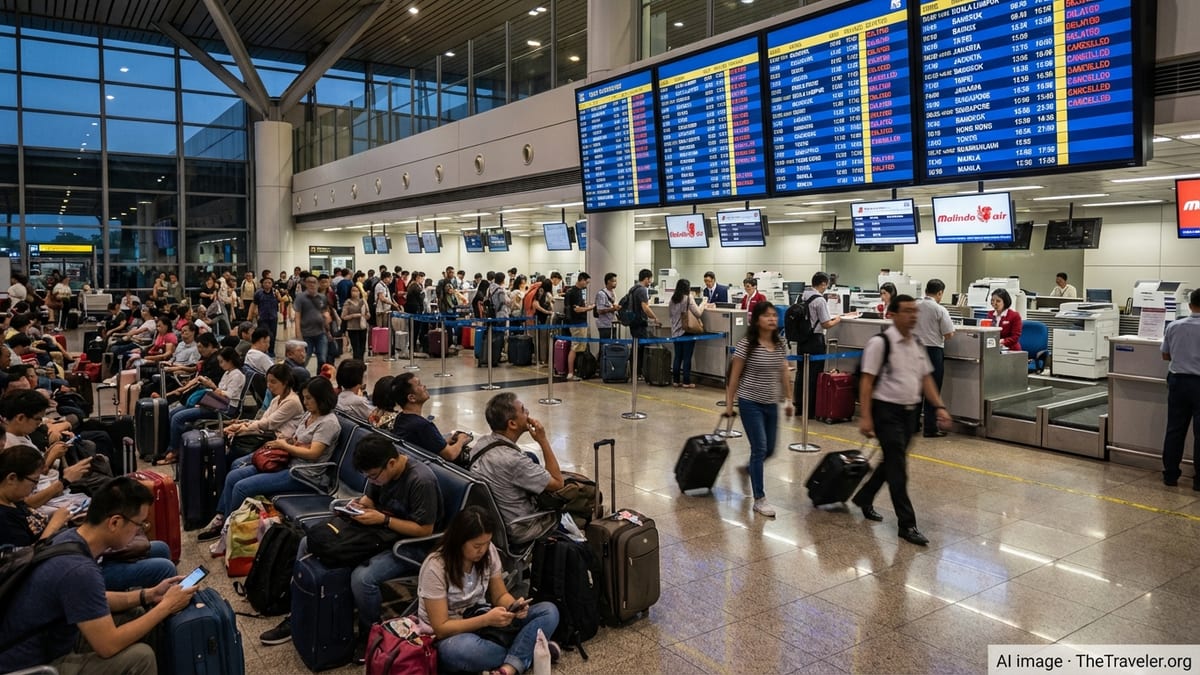
A Fresh Player on a Crowded Bangkok–Kuala Lumpur Corridor
The planned Bangkok–Kuala Lumpur route positions Nok Air alongside established low cost and full service operators already linking the two capitals. Publicly available flight data shows that carriers such as AirAsia, Thai AirAsia, Batik Air and others currently operate dozens of weekly frequencies between Bangkok’s airports and Kuala Lumpur International Airport, underlining how competitive the corridor has become.
Reports from Malaysian media indicate that Nok Air intends to enter the market in July, with Kuala Lumpur identified as a priority international destination in the airline’s broader expansion strategy. The service is expected to operate from Bangkok’s Don Mueang International Airport, a major hub for low cost carriers and Nok Air’s long standing base, to Kuala Lumpur, likely using its Boeing 737 fleet.
Aviation observers note that the timing aligns with a wider rebound in Southeast Asian air travel, where passenger volumes on short haul international routes are approaching or surpassing pre pandemic levels. For Nok Air, adding Kuala Lumpur offers access to one of the region’s busiest aviation hubs and a gateway to onward connections across Malaysia and beyond.
The entry of another Thai low cost carrier on the route is expected to intensify fare competition, particularly during peak travel periods. Consumers could benefit from more choices in schedules and pricing, while airports in both countries gain additional traffic and airline diversification.
Tourism Windfall for Malaysia and Thailand
Tourism agencies in both countries have highlighted the potential of new air links to support ambitious visitor targets tied to post pandemic recovery and upcoming promotional campaigns. Malaysian tourism authorities have repeatedly emphasized improved air connectivity as a central tool to drive arrivals in the run up to large scale initiatives such as Visit Malaysia 2026, while Thailand continues to market itself as a multi destination hub for beach, cultural and wellness tourism.
Published coverage of Nok Air’s plans suggests that the new route is being framed as more than a point to point connection. By plugging Kuala Lumpur into Nok Air’s extensive domestic network, which spans popular Thai destinations including Chiang Mai, Chiang Rai, Phuket and Krabi, the airline can package two country itineraries that are attractive to both regional and long haul travelers.
Travel industry analysts expect the service to stimulate demand in both directions. Malaysian travelers gain easier access to secondary Thai cities via one additional stop in Bangkok, while Thai passengers receive more convenient options to reach Malaysian destinations beyond Kuala Lumpur through local carriers. This kind of network effect can encourage longer stays, multi city trips and higher per visitor spending.
The route is also likely to appeal to repeat travelers and digital nomads already familiar with Thailand or Malaysia, who often seek flexible, low cost options for frequent cross border movement. More nonstop choices between the capitals could encourage seasonal migration of remote workers, students and long stay visitors across the two countries.
Business and Trade Links Set for a Lift
Beyond leisure travel, the Bangkok–Kuala Lumpur corridor is a crucial bridge for trade, investment and corporate travel in Southeast Asia. Bangkok serves as a major manufacturing, logistics and corporate hub for Thailand, while Kuala Lumpur is an established financial and commercial center for Malaysia and the wider region.
Additional seat capacity and more diversified schedules can simplify travel for small and medium sized enterprises that operate across both markets. With Nok Air traditionally focused on price sensitive segments, the new route could especially benefit business travelers from emerging industries, start ups and regional service providers who prioritize cost efficiency over premium cabin products.
Improved connectivity is also likely to support growing cross border cooperation in sectors such as tourism investment, healthcare, education and digital services. More frequent and affordable flights can make it easier to stage joint events, site visits and partnership meetings that underpin long term projects between Thai and Malaysian firms.
Some aviation commentators point out that as competition intensifies, airlines may increasingly tailor schedules and ancillary services to business travelers seeking same day return options and reliable punctuality. Nok Air’s performance on on time metrics and schedule resilience will therefore be closely watched by corporate travel planners once the route begins.
Strategic Expansion Amid Regional Headwinds
The decision to add a new international route comes as Thai airlines face a mix of opportunities and risks. Industry reports show that carriers across the region are contending with high fuel prices, currency fluctuations and shifting demand patterns, which have prompted some airlines to trim or suspend selected routes while reallocating capacity to stronger markets.
Recent coverage of Thai aviation notes that several operators have adjusted networks in response to cost pressures and geopolitical uncertainties affecting long haul and certain medium haul services. Against this backdrop, Nok Air’s move into the Bangkok–Kuala Lumpur market appears to reflect confidence in resilient demand for short haul intra ASEAN travel, where flight times are relatively short and aircraft utilization can be optimized.
Analysts following the airline suggest that building a stronger international footprint is important for Nok Air as it works through a longer term restructuring and growth plan. Establishing a presence on one of Southeast Asia’s highest profile city pairs may help raise brand visibility outside Thailand and support future partnerships or code share opportunities.
At the same time, observers caution that competition on the route is intense, and success will depend on disciplined capacity deployment, competitive pricing and consistent service delivery. Nok Air will need to demonstrate that it can carve out a sustainable niche among price conscious travelers without eroding yields to unsustainable levels.
What Travelers Can Expect When Flights Begin
While final schedules and frequencies have yet to be widely published, early indications suggest that the Bangkok–Kuala Lumpur service will be operated with single aisle aircraft configured in an all economy layout typical of low cost carriers. Flight times between the two capitals are generally around two hours, making the route suitable for same day business trips and short leisure getaways.
Passengers familiar with Nok Air’s domestic services in Thailand can expect a no frills model with optional add ons such as seat selection, baggage and in flight refreshments. The airline’s branding, often centered on brightly colored aircraft liveries and a casual onboard atmosphere, is likely to be part of its effort to differentiate itself on a route where many travelers already have established preferences.
Travel planners note that the launch schedule in July positions the new service for peak regional holiday periods in the second half of the year, including school breaks and year end festivities that typically drive spikes in demand between Thailand and Malaysia. Early promotional fares could attract first time customers willing to try the carrier on this international sector.
For now, the planned route underscores how quickly Southeast Asia’s aviation market is evolving as airlines move to capture returning demand and secure strategic positions on key city pairs. Nok Air’s upcoming Bangkok–Kuala Lumpur service is set to become a closely watched test of how a Thai low cost carrier can compete and grow on one of the region’s most important cross border links.